

Kids Acting Out May Be an Echo of Father’s Mental Health

.
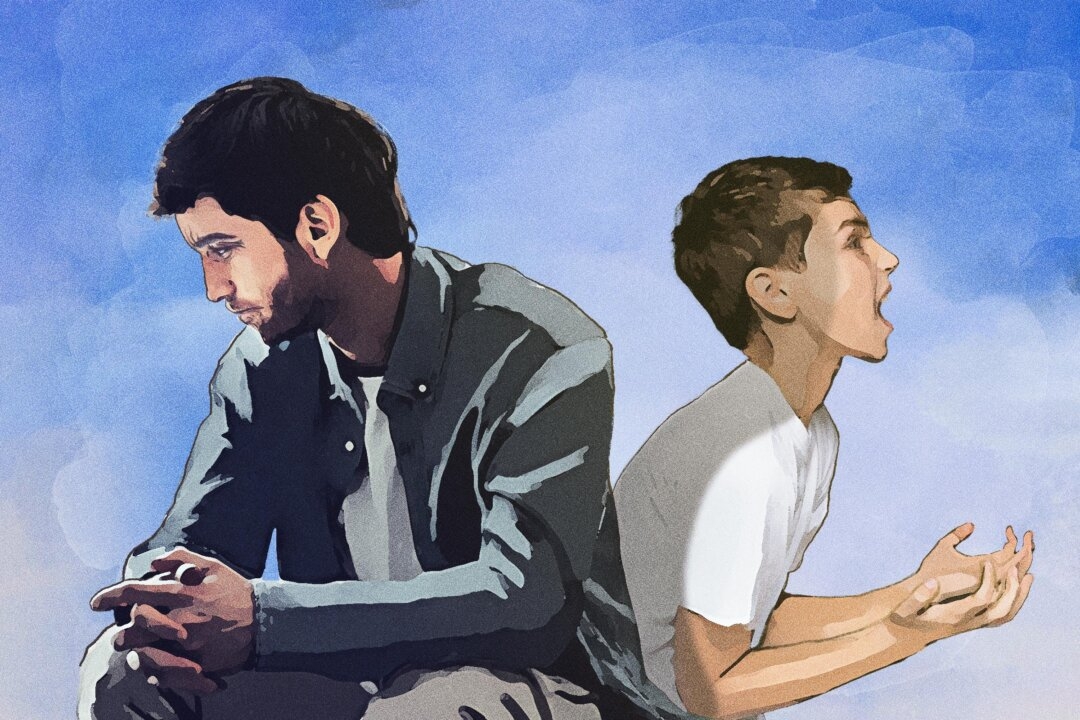
Kids don’t act out without reason. Sometimes, their behavior might be an echo of a father’s struggle with depression.
Depressed Father, Troubled Child
In the study published in the American Journal of Preventive Medicine, researchers followed 1,422 families from 20 major American cities between 1998 and 2000. The researchers took into account factors such as family background, whether the father lived with the child, the parents’ relationship status, and whether the mother was experiencing depression.The study began with interviews conducted in hospitals shortly after the birth of the children. Researchers continued to check in with the families when the children reached the following milestones: 1, 3, 5, 9, 15, and 22 years old. They also focused their analysis on father-child pairs. By the time the children were 5 years old, nearly three-quarters of the fathers in the study were living with their children less than half the time, and 9 percent screened positive for depression.
To track the children’s negative behavior, the researchers looked for hyperactivity, trouble focusing, and defiant conduct, like arguing. They also measured how well kids got along with others and whether they had emotional challenges.
Kids with dads who were depressed were more likely to have behavior problems than other kids. They argued or didn’t follow rules and were restless about one-third more often. They also showed about one-quarter more signs of ADHD.
These children had slightly lower social skills and struggled more with behaviors such as cooperating and self-control. Overall, they were almost twice as likely to have serious behavioral problems.
Parental depression may also cause harsher or more intrusive parenting or parental absence from the home. The researchers suggest that while this study didn’t test these mechanisms directly, understanding them could help in developing targeted interventions.
The Ripple Effect Is Beyond the Immediate Family
Moreover, genetics plays a role in the development of depression, which often runs in families. People with major depressive disorder are two to three times more likely to have a first-degree relative—such as a parent or sibling—who also experiences depression.Breaking the Cycle: The Importance of Intervention
In light of the study’s major findings, lead researcher Schmitz explained, “We need to consider depression in both parents, not just mothers. Depression is treatable, and to support the whole family, pediatricians must start talking with dads about it and developing father-focused interventions that meet their needs.”Dr. Nivedita Nayak, clinical psychiatrist, suggests the use of mindful parenting to combat paternal depression and its effects on children.
In a case that she worked on, a father’s untreated depression, masked by irritability and anger, went unrecognized for years and was mistaken for poor parenting. As his son grew older, he began showing emotional distress, defiance, and social difficulties.
Once the father sought therapy for his mental health, he adopted a more mindful, emotionally engaged parenting style. “[Mindful parenting] involves being fully present with their children, engaging in activities like playing together, reading, or even just having open conversations,” Nayak told The Epoch Times.
This shift led to a stronger father-son bond, improvements in the son’s behavior and emotional development, and better mental health for the father.
Moreover, early detection and diagnosis are also crucial in preventing mental health challenges from becoming long-term issues. Estefana Johnson, licensed clinical social worker and trauma therapist, told The Epoch Times that men are half as likely as women to seek mental health support, largely due to stigma, cultural views on masculinity, and misunderstandings about how depression appears in men. Symptoms of depression in men “typically [appear] as anger, withdrawal, or irritability rather than sadness.”
Therapist Rebecka Parker also advocates for routine mental health screenings for dads. She told The Epoch Times that fathers should be included in pediatric or prenatal visits to catch signs of depression early and easily.
Policies that support family-inclusive health care and paid paternity leave can give fathers the time and space they need to bond with their children, thus easing stress and helping to prevent mental health struggles before they become overwhelming.
For families, supporting both parents and children promotes a healthier home environment and helps break the cycle of mental health challenges across generations.
.
What's Your Reaction?
 Like
0
Like
0
 Dislike
0
Dislike
0
 Love
0
Love
0
 Funny
0
Funny
0
 Wow
0
Wow
0
 Sad
0
Sad
0
 Angry
0
Angry
0













Comments (0)