

Japan Says in UN Letter PM Takaichi’s Remarks on Taiwan Misrepresented by Beijing


.
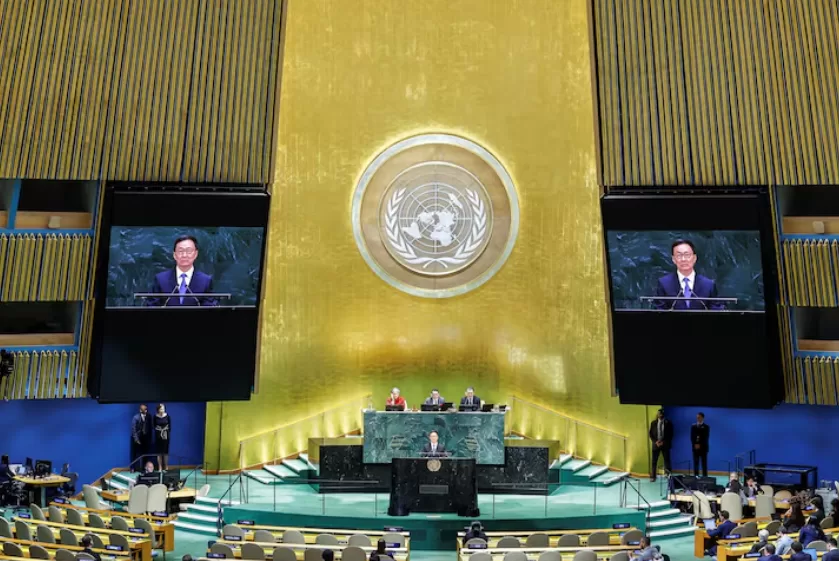
Japan’s ambassador to the United Nations has rejected Beijing’s interpretation of Japanese Prime Minister Sanae Takaichi’s recent remarks regarding Taiwan, calling the Chinese regime’s claims “inconsistent with the facts” in a Nov. 24 letter submitted to the United Nations.
Takaichi raised the theoretical possibility of a maritime blockade on Taiwan, located more than 60 miles from Japan’s territory, saying on Nov. 7 that such a scenario could be deemed a “survival-threatening situation” for Japan. She used a legal term that could enable Japan to mobilize its Self-Defense Force.
A Nov. 21 letter by China’s permanent representative to the U.N., Ambassador Fu Cong, to Guterres states that Takaichi’s remarks were “the first time Japan has issued a threat of force against China” since the end of World War II, according to a statement published on the website of China’s U.N. mission.
In response, the Japanese diplomat said in the letter that Tokyo’s fundamental defense policy is the “posture of passive defense strategy, which is exclusively defense-oriented, contrary to the Chinese side’s claims.”
Without naming the CCP, Yamazaki voiced Tokyo’s opposition to ongoing efforts by certain nations to unilaterally change the status quo by force or coercion.
“Peace and stability in the Taiwan Strait are extremely important not only for Japan but also for the stability of the entire international community,” Yamazaki wrote. “We reiterate our consistent position of expecting that issues concerning Taiwan will be resolved peacefully through dialogue.”
.
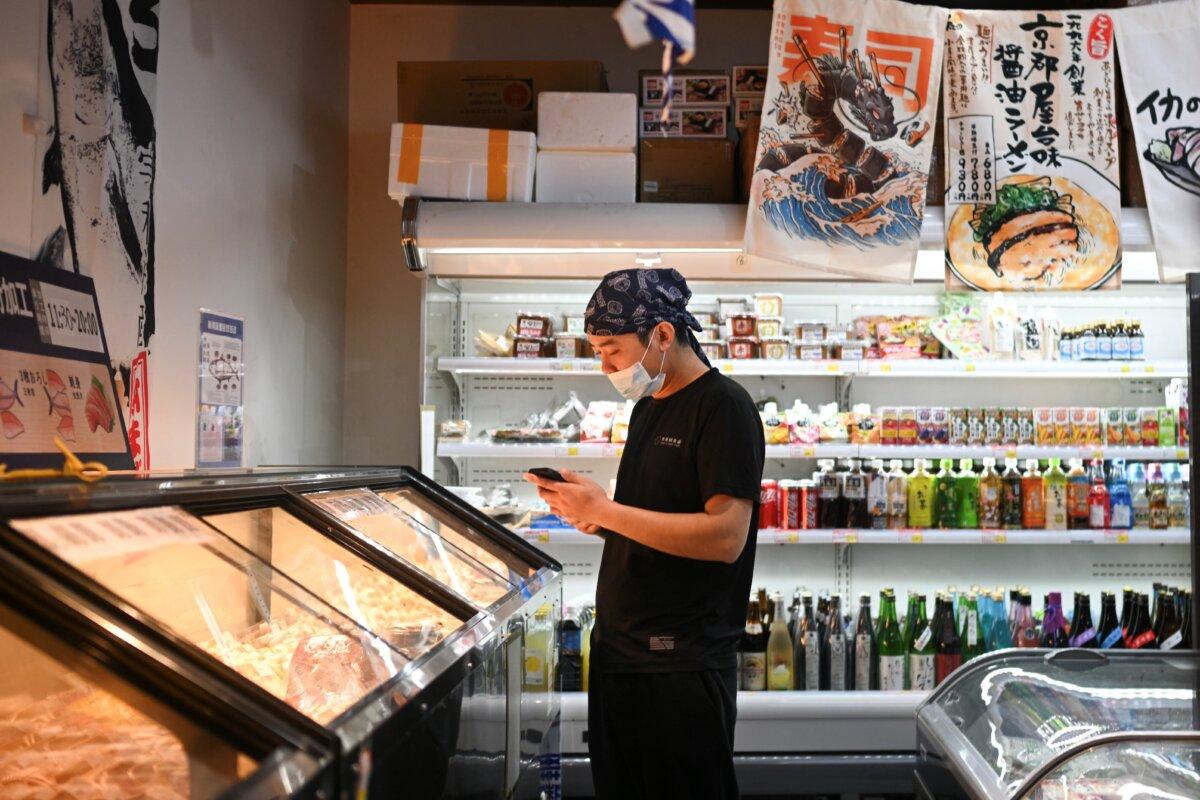
“Such an approach of imposing coercive measures against other countries’ statements and policies that do not align with its own intentions is something the international community should oppose,” Yamazaki said in the letter, adding that Japan will continue to “respond calmly through dialogue.”
The Japanese government’s top spokesperson also rebuked the Chinese diplomat’s letter to Guterres in a subsequent briefing in Tokyo.
At a briefing later that day in Beijing, Mao Ning, a spokesperson for the foreign ministry, reiterated the regime’s demand that Takaichi retract her comments on Taiwan, when asked about the halted approval of Japanese films and the cancellation of more than a dozen concerts featuring Japanese musicians in China.
The Chinese communist regime has never ruled Taiwan before.
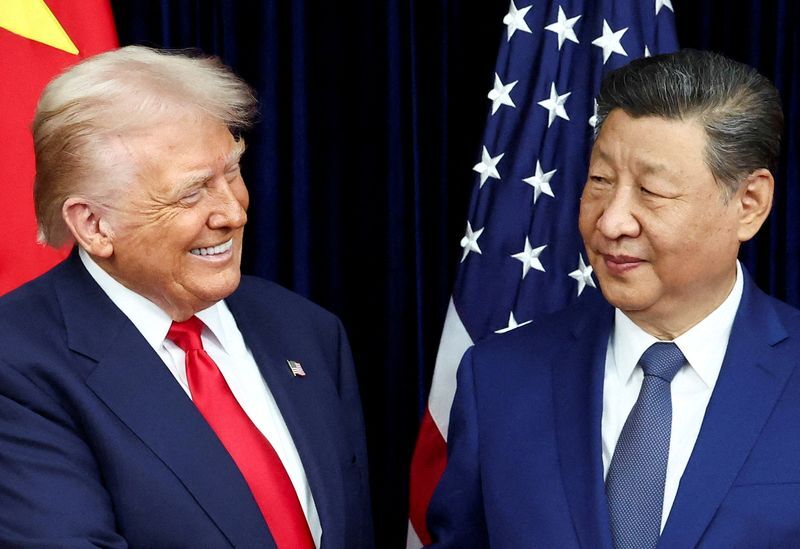
Trump said on social media after the call that he and Xi discussed a range of issues, including Beijing’s purchase of U.S. soybeans and the Russia–Ukraine conflict. However, he didn’t mention Taiwan.
.

The readout stated that Trump told Takaichi that he would be willing to receive calls from the Japanese prime minister at “any time.”
Neither Trump nor the White House has commented on the call with Takaichi at the time of publication.
.
What's Your Reaction?
 Like
0
Like
0
 Dislike
0
Dislike
0
 Love
0
Love
0
 Funny
0
Funny
0
 Wow
0
Wow
0
 Sad
0
Sad
0
 Angry
0
Angry
0













Comments (0)