

How Vagus Nerve Stimulation May Offer a Way to Relieve PTSD

.
A 66-year-old woman was working on the 80th floor of the World Trade Center when the building was hit on Sept. 11, 2001, a clinical case report noted. Despite calming messages over the intercom, she sensed she was in danger and began running down the stairs.
She became exhausted around the 40th floor, but two men helped her reach the basement. She escaped just before the tower collapsed. In the years that followed, she developed severe post-traumatic stress disorder (PTSD), including flashbacks, depression, emotional numbness, and avoidance of triggers.
She tried many treatments, including psychotherapy like cognitive behavioral therapy (CBT) and medication, but nothing helped—until nearly a decade later, when she tried a simple breathing practice linked to vagus nerve stimulation.
The First Human Study
PTSD is common and often difficult to treat, with many people not responding to current therapies. A recent study explored whether pairing a proven therapy—prolonged exposure—with short bursts of VNS could help.VNS has been shown to boost brain plasticity and support the extinction of fear memories. In the study, it was delivered through a small, implantable device. This device was activated during therapy sessions using a wireless neckband and controlled via a smartphone app that recorded and timed the stimulation.
Participants who hadn’t responded to previous treatments received 12 sessions of CBT, each paired with brief sessions of VNS. The results were encouraging: None of the participants met the criteria for PTSD after completing the treatment. These improvements lasted, with benefits still present six months later. Anxiety levels also dropped, with only 44 percent of participants still meeting clinical criteria for anxiety at follow-up, compared with 89 percent before treatment.
How VNS Affects PTSD
So how does VNS actually work?Vagus nerve stimulation works by activating the body’s “rest and digest” system. It helps shift the nervous system out of a hyperaroused state and into a calmer, more balanced one, said Dr. Priyal Modi, an integrative medicine doctor and advanced breathwork practitioner.
“This reduces heart rate, lowers cortisol levels, and calms brain areas involved in trauma and fear responses, enabling people with PTSD to better regulate emotions and process traumatic memories with less overwhelm,” Modi told The Epoch Times.
She noted that while some small studies have reported complete remission of PTSD symptoms with VNS, the sample sizes are still too limited to draw firm conclusions.
That said, there’s growing evidence that VNS can significantly reduce symptoms, especially when used alongside a holistic approach that combines multiple therapies.
How Trauma Disrupts the Nervous System
“There are significant changes that occur in the nervous system in post-traumatic stress,” Modi said.Our ability to stay calm, connect with others, feel compassion, and function in daily life depends heavily on how well our nervous system works. Stress, trauma, and adverse childhood experiences can disrupt this balance, weakening those abilities and increasing the risk for mental and physical health issues.
In PTSD, the sympathetic branch of the autonomic nervous system—responsible for the “fight or flight” response—remains stuck in high gear. This keeps stress hormones elevated and leads to high blood pressure, digestive issues, anxiety, panic attacks, emotional instability, and difficulty with self-regulation, she said.
“The fear center of the brain, the amygdala, also becomes hypervigilant, constantly scanning for threats,” she said.
It’s important to understand that trauma doesn’t always come from one big event, said Joanna Harper, an accredited lead trainer in trauma recovery. Trauma can also result from a buildup of smaller, distressing experiences that overwhelm the nervous system.
“What’s traumatic is what’s distressing to that person,” Harper said.
Trauma-Regulating Practices
The good news is that mind-body practices can help repair and strengthen the nervous system, even after intense stress.Helping people build self-regulation skills is key, Harper said. “When someone knows how to calm themselves, they feel more empowered.”
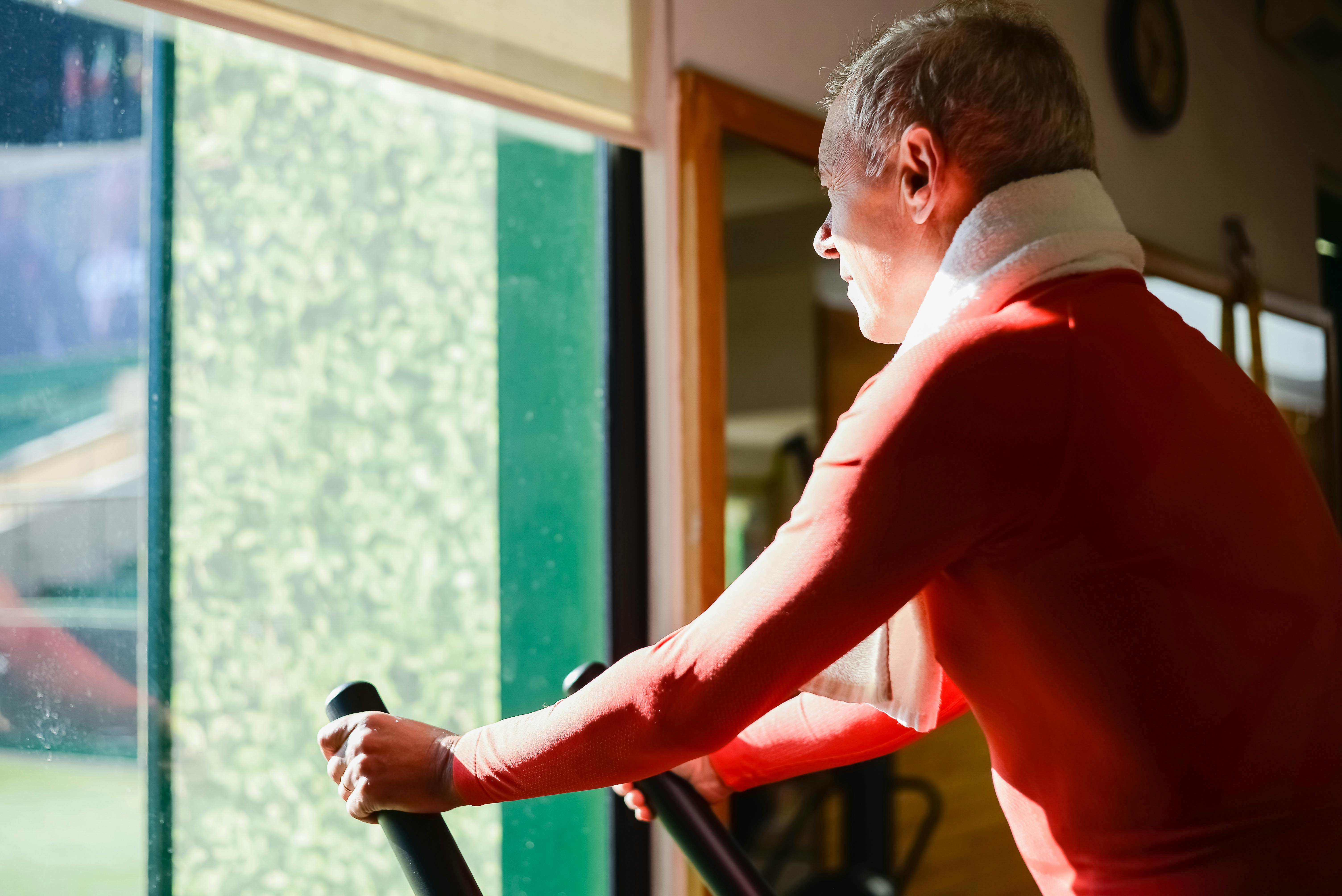
Moving the body can increase vagus nerve function and help regulate trauma. Some people find stillness difficult, especially when strong emotions are present. In those cases, Harper recommends movement combined with breath—such as running, cycling, dancing, or even a group fitness class.
Modi also uses noninvasive VNS techniques in her work with people experiencing PTSD. This includes slow, deep diaphragmatic breathing and conscious connected breathwork.
She described one client who lived with chronic anxiety, panic attacks, flashbacks, and avoidant behavior. Through regular breathwork and talk therapy, the client learned to calm their nervous system, reduce panic episodes, and respond more thoughtfully to triggering situations.
“They were able to regain a sense of agency and function better in daily life, with drastically reduced symptoms,” Modi said.
Breathwork can range from slow, deep nasal breathing to more intensive conscious connected breathing used to access the subconscious and release stored trauma.
“It’s accessible, safe, and empowering. No special equipment is needed, and it can be practiced anywhere,” she said.
Where appropriate and available, clinical VNS devices may be used, but breath-based methods help people reconnect with their bodies—which is an essential part of trauma recovery, Modi said.
Nine years after the 9/11 attack, the woman from the case report attended a two-day Breath-Body-Mind workshop and began practicing Coherent Breathing—a slow, rhythmic breathing technique designed to stimulate the vagus nerve and promote relaxation—daily. Gradually, her symptoms began to ease.
Six months later, after a second workshop, she experienced a major breakthrough; her flashbacks, emotional numbness, and depression were gone.

“I got my smile back,” she said.
.
What's Your Reaction?
 Like
0
Like
0
 Dislike
0
Dislike
0
 Love
0
Love
0
 Funny
0
Funny
0
 Wow
0
Wow
0
 Sad
0
Sad
0
 Angry
0
Angry
0















Comments (0)