

Healing From the Inside Out: Ancient Foods That Boost Digestion and Curb Diabetes

.
In traditional Chinese medicine (TCM), the spleen and stomach are considered essential organs responsible for nutrient absorption and metabolic regulation. When the spleen is weakened, it can lead to poor digestion and even contribute to imbalances in blood sugar and lipid metabolism. Certain everyday foods can help strengthen the spleen and nourish the stomach, potentially preventing or managing conditions such as diabetes.
From the standpoint of conventional medicine, the spleen is often considered a relatively minor organ. In contrast, TCM views the spleen and gastrointestinal system as part of an interconnected energy network. Within this framework, the spleen and stomach play a central role in governing the body’s digestive and metabolic processes.
When spleen function is compromised, the body may struggle to properly digest and absorb nutrients. This can result in symptoms such as muscle weakness and a dull or sallow complexion—both regarded as signs of spleen-stomach deficiency in TCM.
Additionally, a weakened spleen may lead to the buildup of metabolic waste in the body, a condition described in TCM as “phlegm-dampness.” This internal imbalance is believed to increase the risk of metabolic disorders, including diabetes and high blood lipid levels (hyperlipidemia).
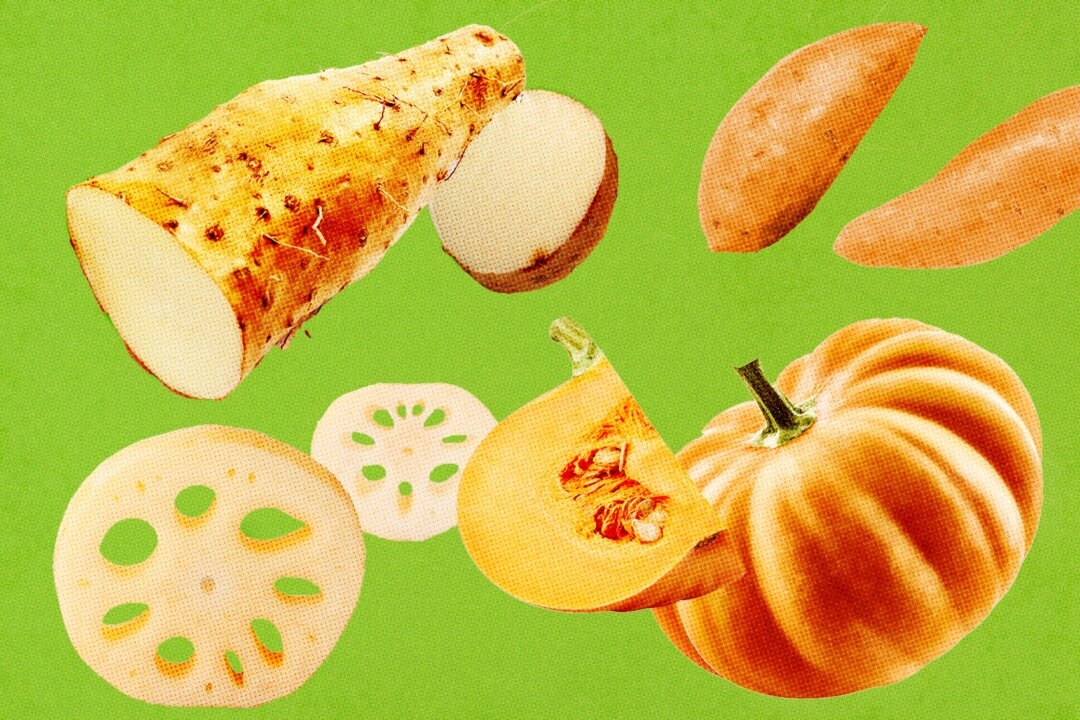
These findings underscore the critical role the digestive system plays in overall metabolic function. Foods such as Chinese yam, pumpkin, sweet potato, and lotus root not only support healthy digestion, but also may help prevent gastric ulcers, promote regular bowel movements, and reduce blood sugar levels.
Health Benefits of Chinese Yam
Chinese yam is both a vegetable and a traditional medicinal herb. In TCM stores, it is typically sold in dried form after being sun-dried, while fresh Chinese yam is commonly available in grocery stores. When cut, the fresh tuber releases a sticky, white mucilage.This mucilage is rich in polysaccharides, which, once fermented by gut microbiota, generate beneficial compounds such as short-chain fatty acids. These substances have demonstrated anti-inflammatory effects and may help regulate blood sugar and lipid metabolism.
Pork Rib Soup With Chinese Yam
A well-known nutritious dish is pork rib soup with Chinese yam. Pork ribs provide collagen and calcium, while the yam offers plant-based mucilage. This nourishing combination is suitable for the whole family and may also support healthy growth in children.- 600 grams pork ribs
- 500 grams Chinese yam
- 10 red dates
- 2 slices of ginger
- Salt, to taste
- Peel the Chinese yam and cut it into chunks. Rinse the red dates thoroughly. Slice the ginger into two thin pieces.
- Place the pork ribs in a pot of cold water. Bring to a boil, then remove the ribs and set them aside.
- Add the ribs, yam, red dates, and ginger to a clean pot. Pour in enough water to cover the ingredients.
- Bring to a boil over high heat, then reduce to a simmer and cook for about 1 hour, until the pork and yam are tender.
- Season with salt to taste before serving.
The thicker Japanese variety (Yamatoimo) has a high moisture content and a crisp texture when eaten raw. However, it tends to break down easily when cooked. To prevent it from falling apart during simmering, cut it into large pieces. Alternatively, you can simmer the pork ribs first and add the yam during the final 15 minutes of cooking.
For firmer, denser varieties such as Tiegun yam—a popular cultivar in China—a longer cooking time is recommended to enhance texture and flavor.
The mucilage in Chinese yam can irritate the skin, so it is best to wear gloves when handling it.
If a sweeter flavor is preferred, slicing the red dates before cooking can help release more of their natural sweetness. You can also adjust the quantity based on taste preferences. In TCM, red dates are also valued for their ability to support spleen and stomach health.
Health Benefits of Pumpkin
In TCM, pumpkin is valued for its ability to support spleen and stomach function. Pumpkin has been shown to offer therapeutic benefits for managing diabetes, cancer, and cardiovascular disease, while its seeds demonstrate anti-ulcer, antimicrobial, and wound-healing effects.For people under chronic stress or those who frequently experience stomach discomfort—often linked to irregular eating patterns—consuming pumpkin once or twice a week is recommended to help nourish the stomach.
Pumpkin is a rich source of pectin, a soluble fiber that helps strengthen the gastrointestinal lining and may reduce the risk of gastritis and gastric ulcers.
Pumpkin pairs well with millet to create a soothing porridge. In TCM, millet is also believed to strengthen the spleen and stomach.

Pumpkin and Millet Porridge
This porridge blends the digestive support of pumpkin with the spleen-strengthening benefits of millet. It’s a simple, comforting dish that can be enjoyed regularly to promote gut health.- 200 grams pumpkin
- 50 grams millet
- Cut the pumpkin into small chunks and rinse the millet thoroughly.
- Add both ingredients to a pot of boiling water.
- Reduce to low heat and simmer for about 30 minutes.
- Stir occasionally to prevent sticking, until the porridge thickens to a creamy consistency.
Health Benefits of Sweet Potatoes
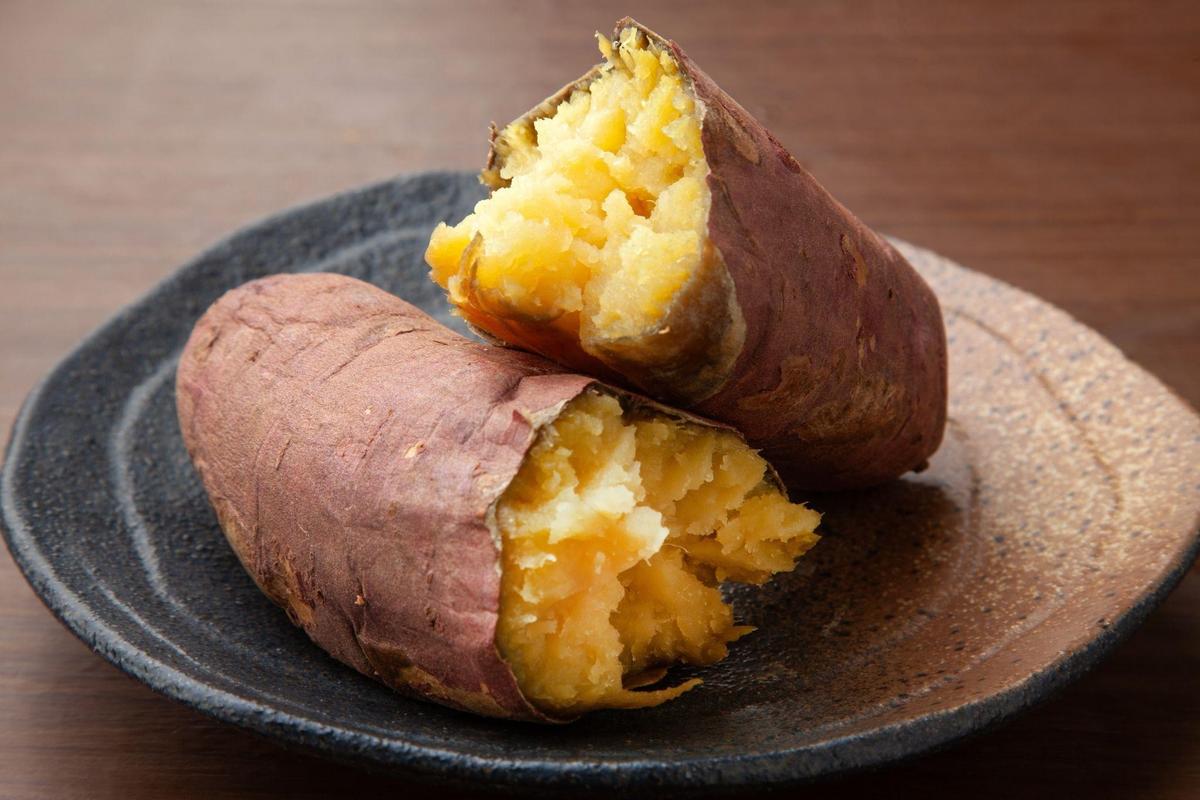
Sweet potatoes have been shown to help lower blood sugar and blood pressure, as well as relieve constipation. They also increase hydration in the lower digestive tract, supporting smoother bowel movements.Additionally, sweet potatoes are rich in phenolic acids, flavonols, flavanones, and anthocyanins—plant compounds that have shown antidiabetic properties. For people concerned about blood sugar spikes, it is recommended to start with a small portion and monitor their response before incorporating more sweet potatoes into the diet.
Health Benefits of Lotus Root
During the summer, frequent consumption of spicy or fried foods can increase inflammation, leading to symptoms such as bad breath, mouth ulcers, and cracked corners of the lips.In TCM, this condition is often described as “excess heat in the spleen and stomach.” The concept of “fire” in TCM refers to internal imbalances that contribute to inflammatory symptoms. Lotus root is traditionally used to reduce fire in the spleen and stomach. By supporting digestive balance, lotus root may help prevent the occurrence of these minor ailments.
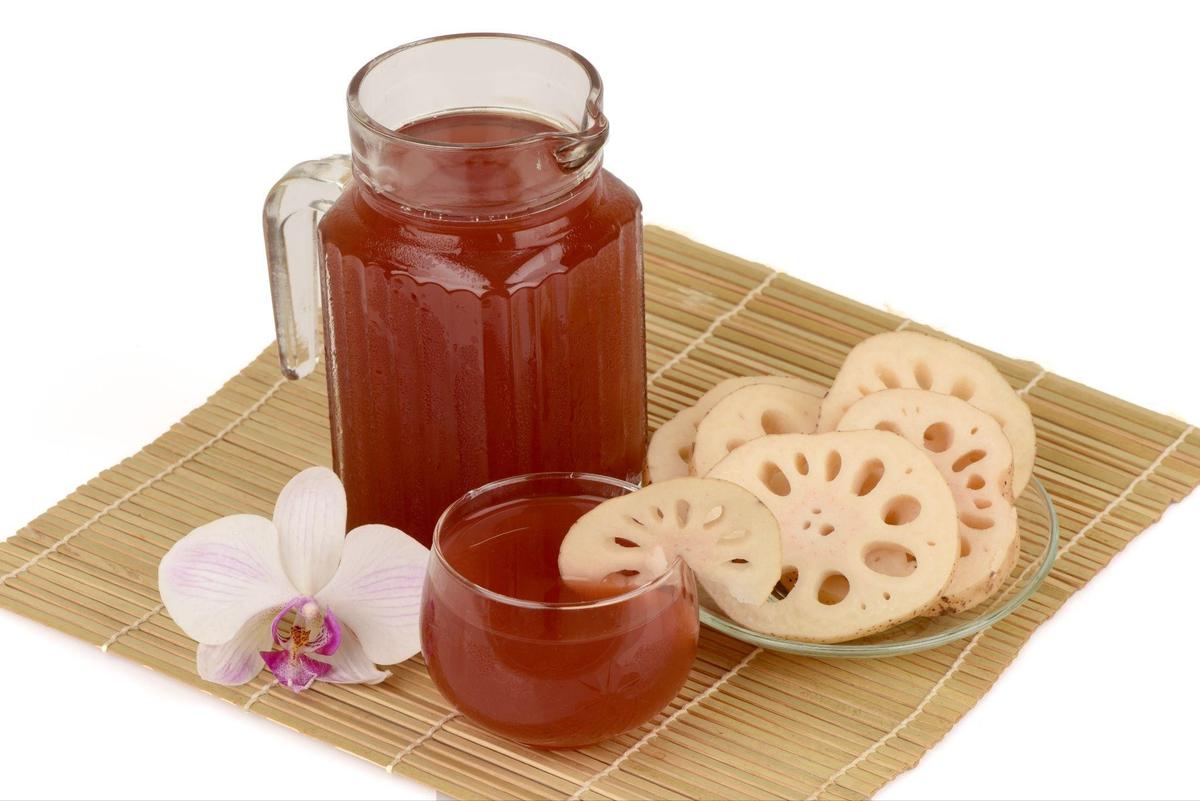
Lotus Root Tea
Lotus root tea is a light, refreshing beverage that is particularly well-suited for summer.- 1 section of lotus root
- 1000 milliliters of water
- Rock sugar
- Rinse the lotus root thoroughly, peel, and slice thinly.
- Place the slices in a pot with water.
- Bring to a boil, then reduce to low heat and simmer for 40 minutes.
- Add rock sugar to taste. Allow the tea to cool before serving.
What's Your Reaction?
 Like
0
Like
0
 Dislike
0
Dislike
0
 Love
0
Love
0
 Funny
0
Funny
0
 Wow
0
Wow
0
 Sad
0
Sad
0
 Angry
0
Angry
0
















Comments (0)