

Constipation Could Signal a Deeper Bodily Imbalance–Natural Self-Care Strategies

.
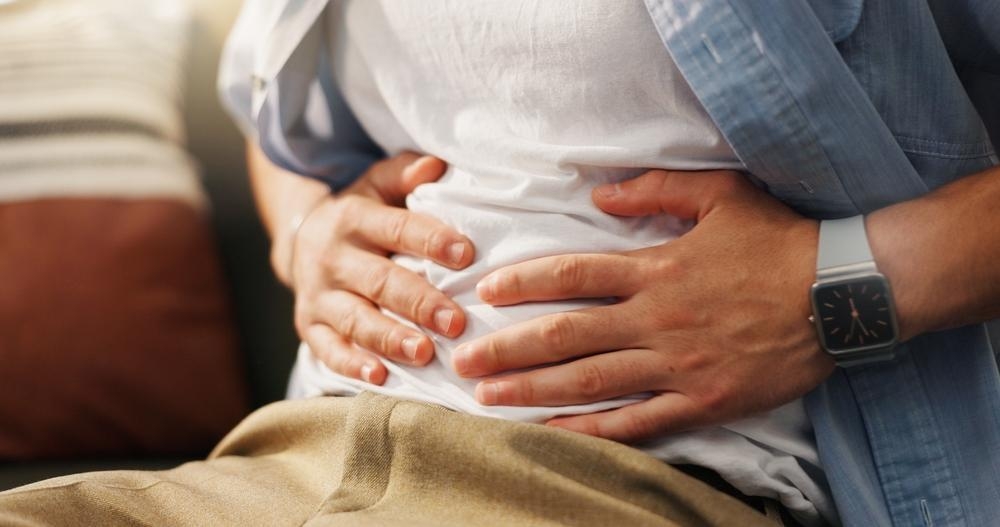
For years, Lin (a pseudonym), in her 70s, struggled with chronic constipation, at times going four or five days without a bowel movement. She also noticed an unusual symptom: occasional abdominal twitching that felt like her muscles were pulsing. When she sought help at a Western medical clinic, tests showed no abnormalities. Doctors told her that surgery would only be considered if an aneurysm developed, leaving her confused and without answers.
In TCM, “blood” refers not only to circulation but also to nourishment for tissues and organs. After a course of herbal remedies and acupressure, Lin’s constipation improved, and the unusual abdominal twitching disappeared.
Recognizing Constipation
In an episode of “Health 1+1,” on NTD, sister outlet of The Epoch Times, Li noted that constipation presents through symptoms such as dry, hard stools, excessive straining, prolonged bathroom time, infrequent bowel movements (fewer than three times weekly), or a feeling of incomplete or blocked evacuation.- Chronic stress or irritability: Disrupts the autonomic nervous system, hindering intestinal motility.
- Eating spicy or greasy foods: Causes sticky, sluggish stools.
- Eating cold foods or drinking cold beverages: Impairs digestion, leading to stools that are initially hard but later soft.
- Nutritional deficiencies: Reduce the muscular strength needed for bowel movements.
- Menopause or chronic sleep deprivation: Alter hormonal and energy balance and increase the risk of constipation.
Treatment Principles
Conventional medicine often treats constipation by focusing on the immediate problem—such as stimulating bowel movements with laxatives, increasing fiber intake, or adjusting medications.In TCM, the goal is not just to get things moving but to restore harmony so the problem doesn’t recur.
1. Restoring Moisture and Nourishment
In TCM, “yin“ represents the body’s cooling, moistening, and restorative forces, while ”blood” includes both physical blood and its nourishing functions for tissues and organs.2. Balancing Excess Internal Heat
The “liver” system (not just the anatomical liver) governs the smooth flow of vital energy and emotions. “Liver fire” describes a state of excess internal heat, often triggered by stress, frustration, or anger.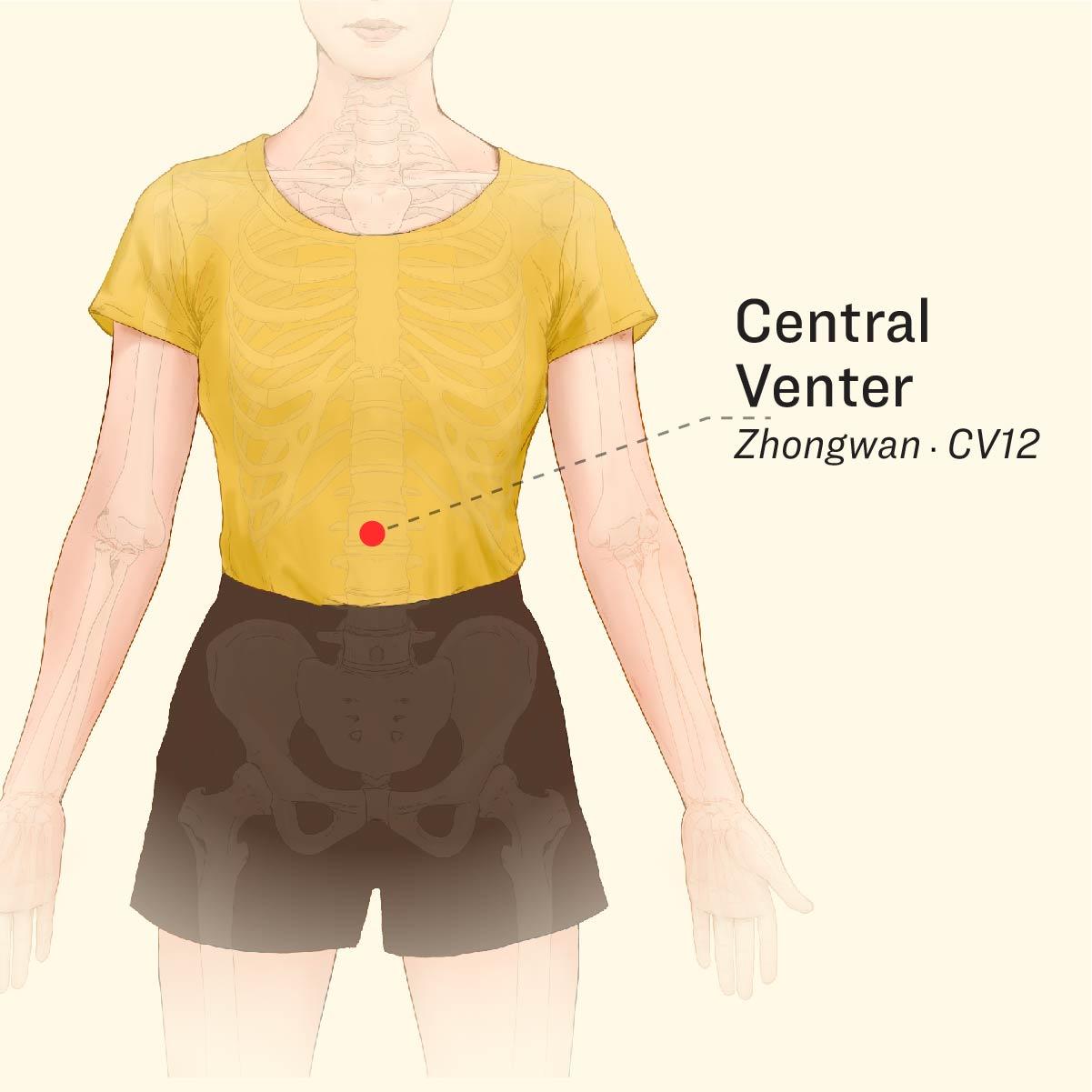
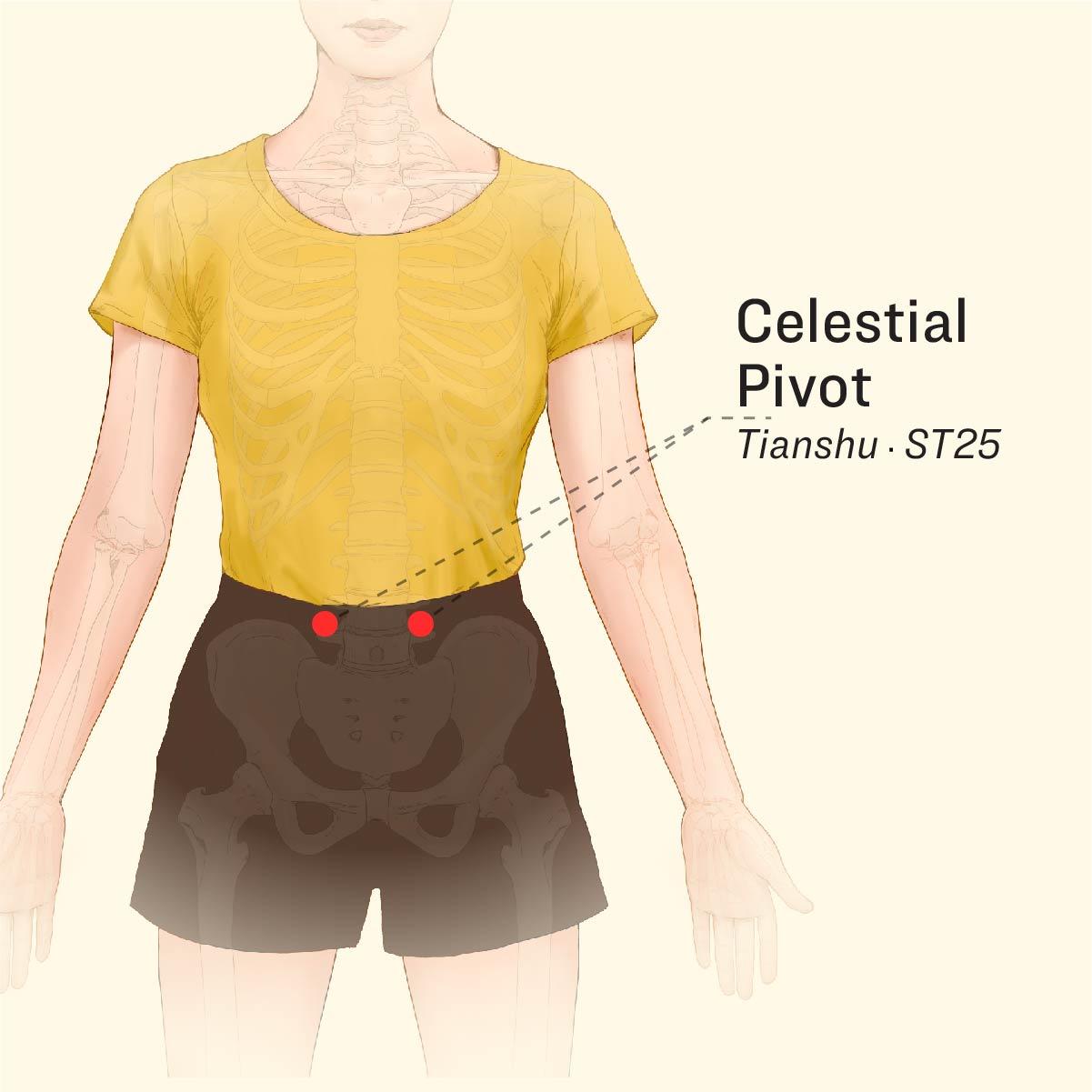
3. Strengthening the Spleen and Clearing Excess Metabolic Waste
The “spleen” system (different from the physical spleen) is central to digestion and nutrient transport. “Dampness” refers to excess fluid and metabolic waste the body can’t properly process, creating heaviness and sluggishness.4. Reigniting the Body’s Metabolic Spark
“Yang” is the body’s warming, activating force—like its metabolic spark. Qi is vital energy that powers all bodily functions, including intestinal movement.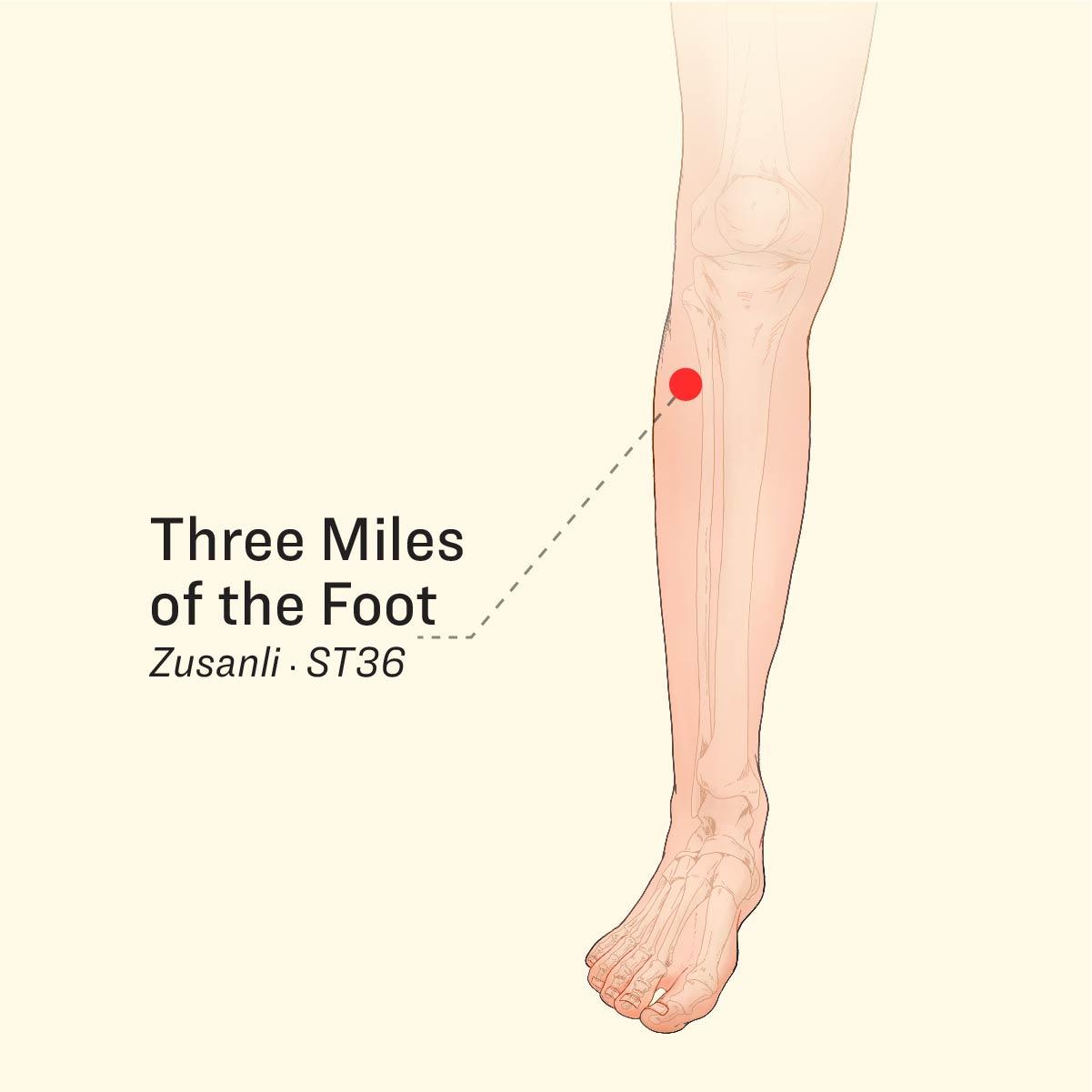
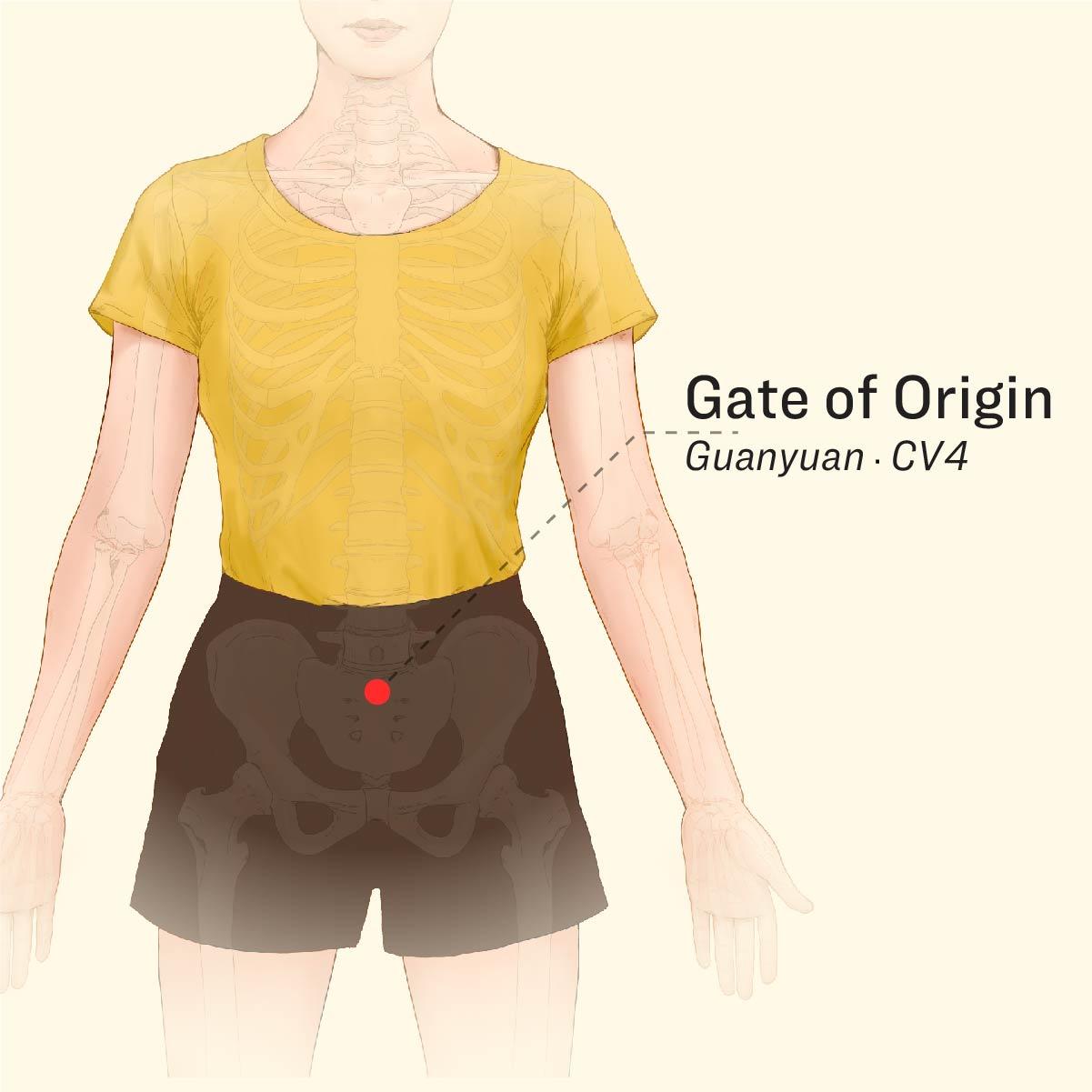
Why Acupressure and Essential Oils Work
Acupressure restores vital energy and blood flow through meridians, directly improving intestinal rhythm. From a biomedical view, stimulating abdominal acupoints activates the body’s “rest and digest” system, which helps the intestines move more smoothly.Importantly, these acupoints can be massaged together in one session, each for one to two minutes, to improve efficiency and achieve a more comprehensive rebalancing effect.
How to Apply Essential Oils Safely
Using essential oils the right way is key to getting their benefits without irritation. Follow these simple steps to apply them safely and effectively.- Dilute two to three drops of essential oil in one teaspoon (5 milliliters) of carrier oil such as jojoba, almond, or coconut oil.
- Massage the oil clockwise on the abdomen for three to five minutes.
- Repeat once or twice daily as needed.
- Test a small patch first if you have sensitive skin.
Common Constipation Myths
Li clarified the following common misconceptions about constipation:1. Can drinking more water cure constipation?
While hydration supports gut health, drinking too much water may disrupt electrolyte balance, potentially worsening constipation. Li advised a tailored intake. To find your daily water needs, multiply your weight by 30 to 35 if using kilograms, or by 0.5 to 0.6 if using pounds. For example, a person weighing 60 kilograms (132 pounds) would need about 1,800 to 2,100 milliliters, or 64 to 80 ounces, of water a day.
2. Is constipation purely a gut issue?
Constipation often arises from multiple factors, including diet, lifestyle, emotional stress, muscle strength, and underlying health conditions.
3. Do probiotics resolve all constipation issues?
Probiotics may help certain types of constipation, but can worsen symptoms in those with a cold abdomen (yang deficiency).
Daily bowel movements do not always indicate the absence of constipation—stool quality and ease of passage are crucial. If symptoms persist or worsen, seek medical advice for personalized care—because, as Lin’s story shows, the real solution may lie beyond the gut.
.
What's Your Reaction?
 Like
0
Like
0
 Dislike
0
Dislike
0
 Love
0
Love
0
 Funny
0
Funny
0
 Wow
0
Wow
0
 Sad
0
Sad
0
 Angry
0
Angry
0

















Comments (0)