

Cancer Is Not Just in Your Genes: Be Aware of These Key Culprits

.
Most Cancers Are Not Hereditary
Historically, cancer was understood through the somatic mutation theory, proposed by Theodor Boveri in the early 20th century, which linked chromosomal abnormalities to uncontrolled cell growth. High-profile cases, such as Angelina Jolie’s 2013 preventive double mastectomy after testing positive for a BRCA1 gene mutation, reinforced the idea that genetics dominate cancer risk.Obesity Fuels Cancer Risk
In 2002, the International Agency for Research on Cancer identified obesity as a significant risk factor for several cancers, including esophageal, colon, endometrial, breast, and pancreatic cancers. This conclusion links obesity to increased cancer incidence and higher mortality rates.Obesity contributes to cancer development by creating a biological environment conducive to tumor growth—primarily through chronic inflammation, hormonal imbalances, and metabolic dysfunction. As Fung observed, one of the key players is insulin, the hormone responsible for regulating blood sugar. In elevated levels, insulin can act as a growth factor, stimulating the proliferation of various cells, including cancerous ones.
Cancer as Response to Chronic Damage
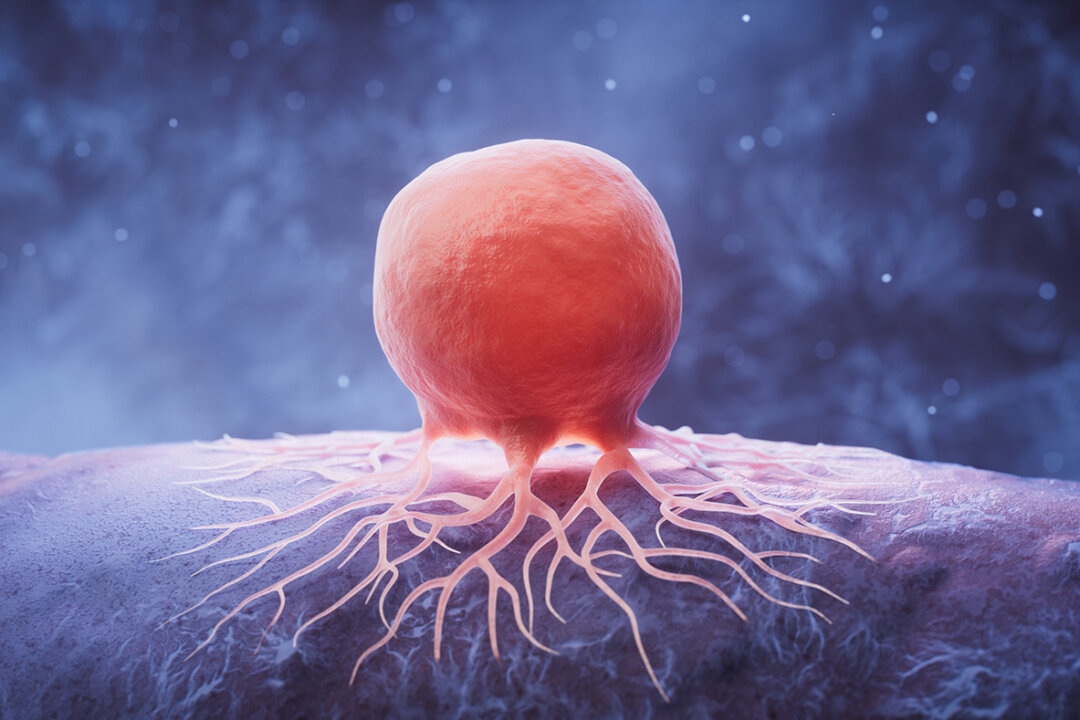
Fung describes cancer as a cellular, evolutionary “step backward” to a single-cell way of living, or a breakdown of cellular order—a regression to a more primitive, survival-driven state. When cells are under chronic damage, they abandon their cooperative roles within the body and invade nearby tissues to compete for blood supply and nutrients. This form of cellular anarchy reflects a regression where survival outweighs cooperation.According to Fung, addressing cancer should not focus solely on eradicating malignant cells but also on restoring cellular harmony and improving the biological environment that sustains health. The goal is to make the “soil” inhospitable for cancer’s growth.
He suggests strategies such as:
- Reducing Chronic Inflammation: By limiting processed foods, refined sugars, and excessive omega-6 oils, while promoting anti-inflammatory foods like vegetables, omega-3-rich fish, and olive oil.
- Supporting Immune Function: Through restorative sleep, regular physical activity, nutrient-rich diets, and minimizing chronic stress. Fasting and metabolic therapies can help rebalance insulin and glucose metabolism, thereby restoring immune surveillance.
- Managing Stress: Since prolonged stress hormones impair both immunity and cellular repair, stress reduction practices such as meditation and breathing exercises can help.
- Avoiding Toxins and Carcinogens: Including tobacco, alcohol, and environmental pollutants.
In essence, Fung suggests that by improving the environment in which cells live—rather than only targeting cancer cells themselves—we can reduce the conditions that allow cancer to thrive.
The Immune System’s Role
In most cases, the immune system detects and eliminates abnormal cells in the body before they can develop into cancer cells. Fung calls this ongoing process “cancer surveillance,” which plays a vital role in preventing cancer from growing into a detectable or dangerous disease.However, when the immune system is compromised—through aging, immunosuppressive drugs, or other factors—cancer cells can escape surveillance. For example, organ transplant patients face a dramatically increased cancer risk. These patients are often given high doses of immunosuppressive drugs to prevent rejection of the transplanted organ. While these drugs help protect the new organ, they also weaken the body’s natural defenses, including the immune system’s ability to detect and destroy cancer cells.
Immunotherapy Advances
In past years, cancer treatments such as surgery, radiation, and chemotherapy have focused on removing tumors and killing cells indiscriminately. While such an aggressive form of treatment may reduce tumor size, it often harms healthy tissue as well, and it doesn’t address the root of the disease.More to Explore
Cancer is a complex disease with many contributing factors, which makes it difficult to predict or prevent. For instance, being overweight increases the risk, but it doesn’t guarantee someone will develop cancer. Likewise, being slender lowers the risk, but it doesn’t make a person immune. Similarly, smoking is a major risk factor for lung cancer, but not all smokers develop the disease. It’s one of many risk factors—not a direct cause-and-effect relationship like with infectious diseases.As research shifts toward environmental and immune-based approaches, Fung envisions a future where cancer prevention and treatment are more effective and less invasive. For now, simple, accessible changes—adopting a low-insulin diet, cutting out excess sugary and fatty diet, exercising regularly to enhance immunity—offer a practical starting point for reducing risk.
.
What's Your Reaction?
 Like
0
Like
0
 Dislike
0
Dislike
0
 Love
0
Love
0
 Funny
0
Funny
0
 Wow
0
Wow
0
 Sad
0
Sad
0
 Angry
0
Angry
0

















Comments (0)