

Bessent: US Working at ‘Warp Speed’ to Reduce Reliance on Chinese Critical Minerals


.
U.S. Treasury Secretary Scott Bessent said on Nov. 2 that the United States is aiming to achieve supply chain independence from China on critical minerals within a year or two.
On Oct. 9, the Chinese regime announced sweeping restrictions on rare earths sourced from China that were broadly considered to have a disruptive effect on global trade. Bessent said the licensing regime covered products containing 0.1 percent of several rare earths, making the controls “China versus the world.”
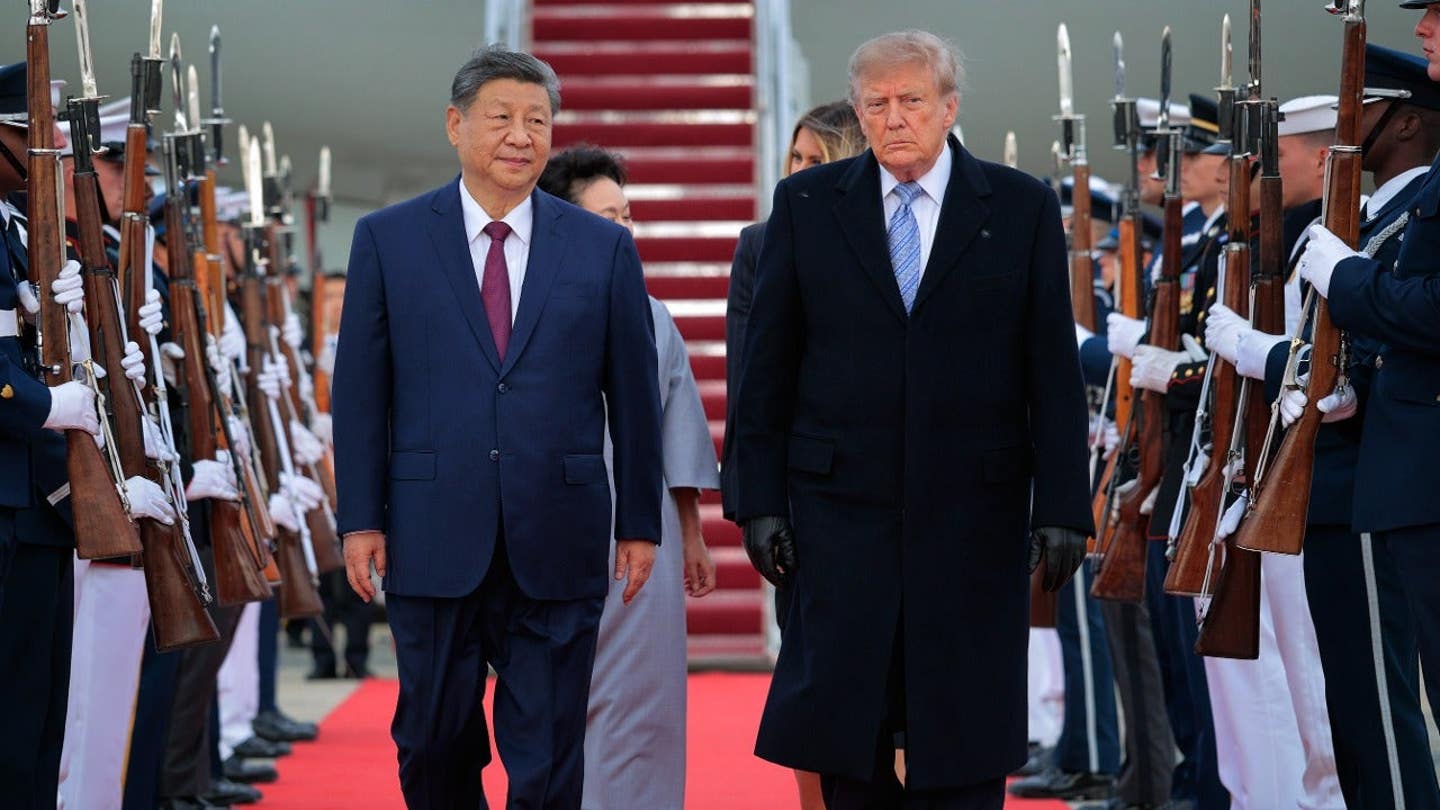
International bodies joined the United States in calling on China to reverse the measures. On Oct. 30, U.S. President Donald Trump sat down with Chinese regime leader Xi Jinping, after which Beijing agreed to pause the controls for one year.
Meanwhile, countries around the world have accelerated efforts to diversify the critical minerals supply chain away from China, with scores of government initiatives, investments, and deals announced in the weeks since Beijing’s restrictions.
“This time, we have rallied the allies. And so it is going to be all the Western democracies, the Asian democracies, and India are also going to join us in this, in trying to form our own supply chains,” Bessent said. “We don’t want to decouple from China, but we need to de-risk—they’ve shown themselves to be an unreliable partner in many areas.”
During the CNN interview, Bessent said he disagreed with a Wall Street Journal editorial board piece that suggested the recent Trump–Xi meeting only put the situation back in status quo.
Bessent said it was “naive” to think that the Chinese regime would not try to use critical minerals as leverage at some point.
“They’ve been putting this plan together for 25, 30 years,” he said.
Bessent said the threat of 100 percent tariffs by Trump had brought China to the negotiating table, making the recent incident a prime example of its use under emergency powers—the legality of which is being challenged in court and will be argued before the Supreme Court this week.
.
What's Your Reaction?
 Like
0
Like
0
 Dislike
0
Dislike
0
 Love
0
Love
0
 Funny
0
Funny
0
 Wow
0
Wow
0
 Sad
0
Sad
0
 Angry
0
Angry
0














Comments (0)