

Beijing Officials Tout Economic Gains as Locals Report Empty Streets, Job Losses


.
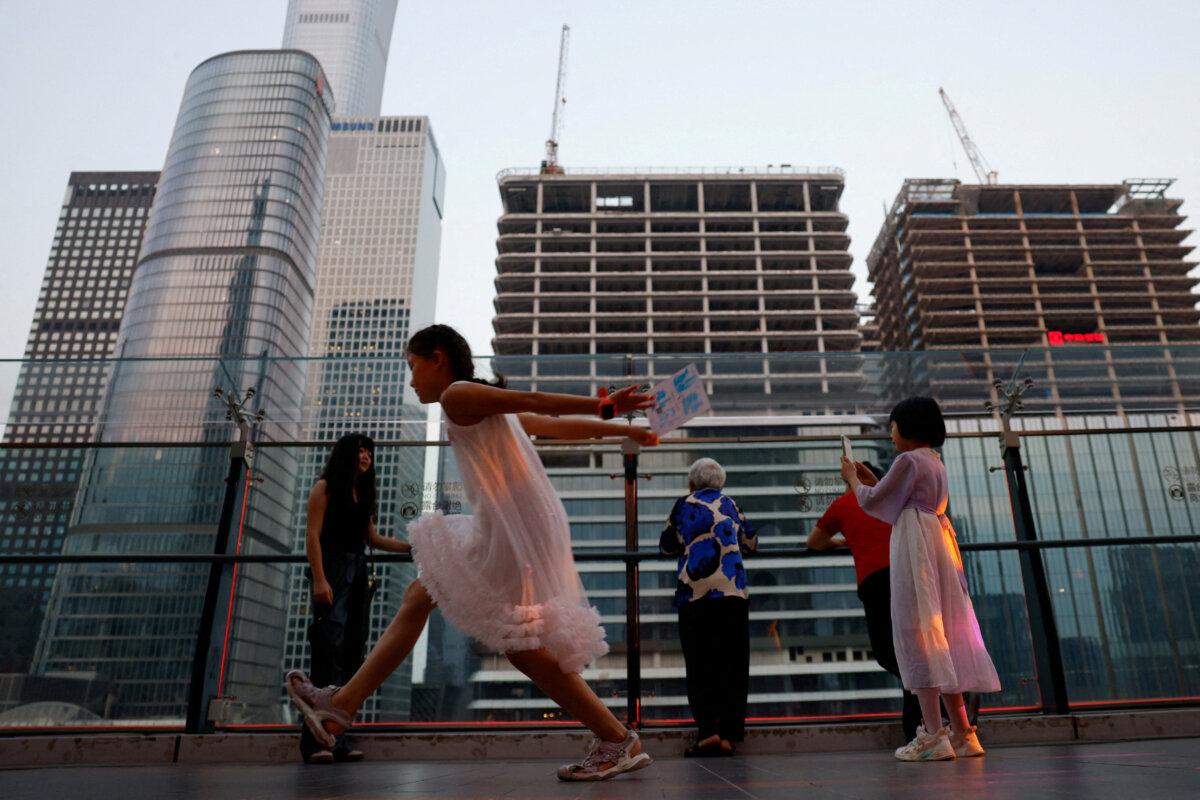
Beijing officials insist the capital’s economy is steadily improving. However, residents describe a very different city—one marked by shuttered businesses, dwindling foot traffic, and deteriorating quality of life.
On Jan. 21, city authorities said at a press conference that Beijing’s economy had “continued to recover and improve,” with residents enjoying rising levels of “gain, happiness, and security.”
Yet across the city, commercial plazas sit largely deserted, many street-level shops remain closed, and once-crowded produce markets have grown quiet, according to some residents who recently spoke to The Epoch Times. Some homeless locals said they have resorted to selling blood to survive.
An Empty Capital
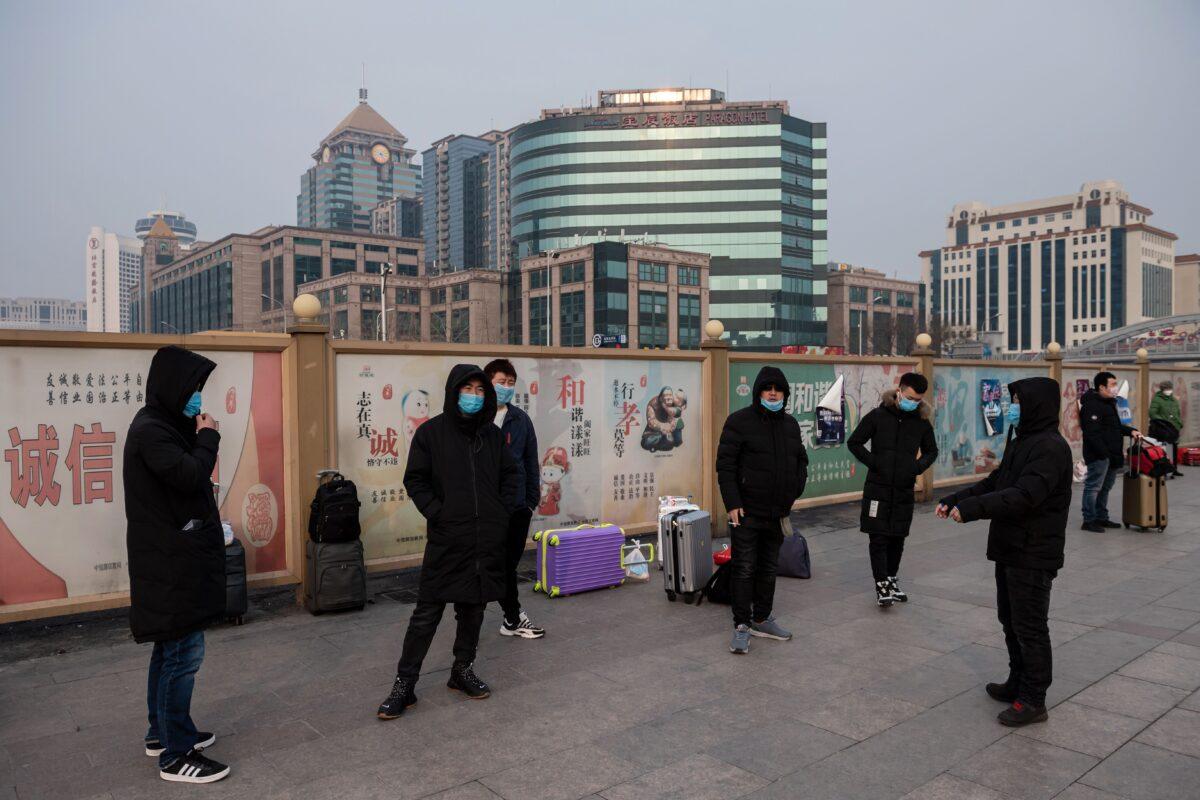
Chen Hong, a migrant worker from rural China who has struggled to survive in Beijing for years, said that the capital city’s decline has been stark.“So few people are coming to Beijing to look for work now that many trains at Beijing West Railway Station have been canceled,” he said. “At night, you barely see anyone.”
He estimates foot traffic has dropped by at least two-thirds.
“It feels like the city is almost empty,” he said.
“If this continues, some train stations may eventually shut down. That place used to be packed shoulder to shoulder.”
Chen described entire shopping complexes near the station—above and below ground—now fully shuttered.
“Three floors up, three floors down, all closed. Two or three years ago, businesses were making lots of money,“ he said. ”Now it’s a completely different world.”
Jin Xiang, who has lived in Beijing for nearly 40 years, said that scenes like this are now common even in formerly bustling areas.
“Ordinary streets used to be packed even during off-peak hours,” he said.
“Wangfujing and Qianmen were always overflowing with people. Now everything feels deserted.
“Storefronts are plastered with ‘For Lease’ signs.”
Wangfujing and Qianmen are both Beijing’s premier pedestrian shopping districts.
“Several major shopping malls have closed,” Jin said. “In the few malls still open, there are more employees than customers.”
Hotels and guesthouses near scenic areas have closed en masse, Jin pointed out.
“Entire hotel buildings sit dark at night,“ he said. ”Some places look like ghost towns.”
.
Barriers to Employment
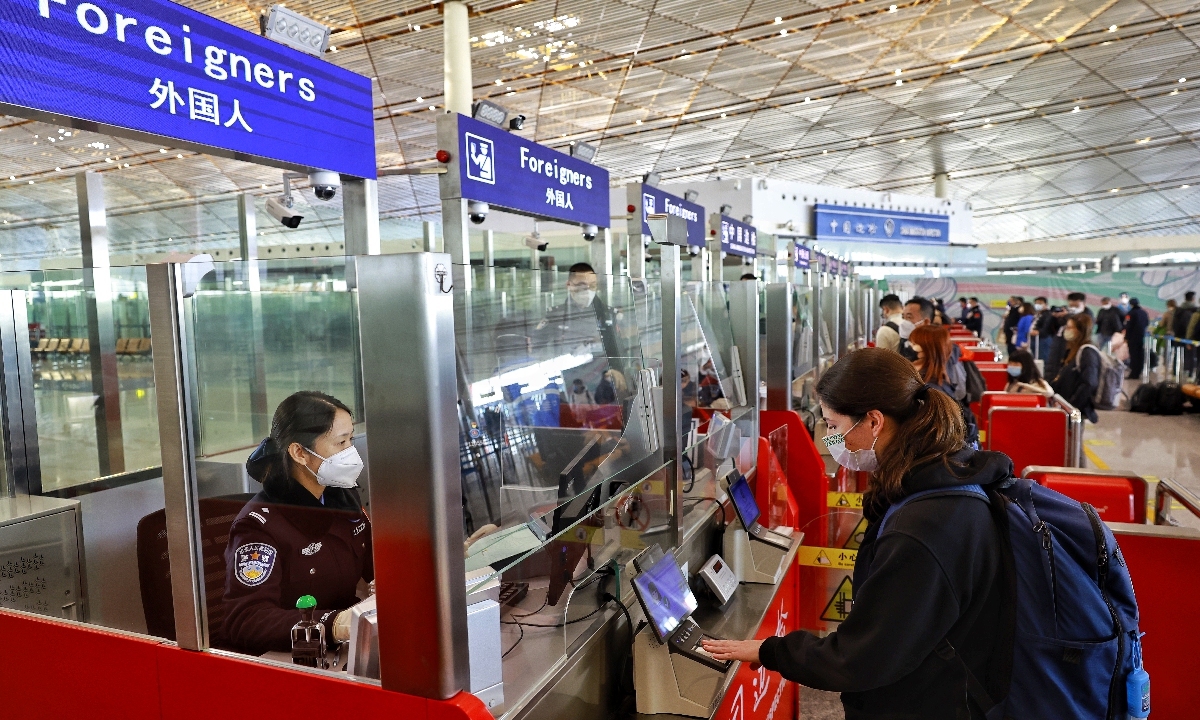
Residents cite multiple reasons for Beijing’s population drain, including COVID-19 pandemic-era deaths, business closures, and rising living costs that push unemployed workers out of the city. In addition, they also point to increasingly strict controls on migrant workers from rural China.“In Beijing now, you’re asked to show your ID everywhere,” Jin said. “No one wants to live in a city where they’re constantly being checked.”
He explained that local authorities are trying to remove unemployed migrant workers from the city, which creates a very unwelcoming environment.
As more people become unemployed, consumption also declines, according to Jin, and the decline is evident even in agriculture. Fruit prices at the farm gate have plunged, he said, yet shoppers still aren’t buying.
As hope fades, Jin stated, many young people have been relying on parents or online loans to survive.
“They borrow from every platform they can,” he said.
The Dire Situation of Beijing’s Homeless
On Douyin, which is China’s version of TikTok, users have shared many short videos documenting Beijing’s growing homeless population.Chen, now in his 30s, survives by scavenging.
“Even people with degrees can’t find jobs now,” he said. “Even the lowest-end work is extremely competitive.”
He described living in a makeshift shelter to avoid rent and eating one meal a day.
“Today, I still haven’t eaten,” he said in the afternoon. “I’ll wait until 6 o’clock in the evening.”
In the past, discarded restaurant food sustained many homeless residents.
“People would leave pizza, dumplings—perfectly edible. We could eat our fill,” Chen said. “Now, there are fewer people, fewer restaurants, and smaller portions.”
With scavenging no longer viable, some have turned to selling blood.
Chen said that from 2023 onward, many people around Beijing West Railway Station were living by selling blood. Some made 200 yuan ($29), then it went up to 600 yuan ($86), and later to 800 yuan ($115), but the sales suddenly stopped, he said.
.
What the Data Show
Beijing’s official statistics appear to support these accounts more than the central authorities’ rhetoric.Davy Jun Huang, a U.S.-based economist and former columnist for China’s state media outlet CNTV, told The Epoch Times that the figures reveal a troubling pattern.
He explained that Beijing experienced a brief economic rebound in 2023 after the lockdowns in the previous year. However, the rebound was a false recovery—largely the result of a low base in the previous year and a one-time release of previously suppressed consumption.
“The years 2024 and 2025, by contrast, reflect the real difficulties that emerged after the rapid pullback,” Huang said.
More troubling, he noted, is employment stress hidden beneath the city’s headline unemployment figures. While Beijing’s surveyed urban unemployment averaged 4.1 percent in 2025, unemployment insurance funds returned to deficit in 2024—despite no major external shock.
Huang explained that fund balances often reveal stress earlier than official unemployment figures, and that when the fund returns to deficit in a non-crisis year, it signals worsening job quality, wage cuts, underemployment, and hidden unemployment.
Taken together, he said, Beijing’s economic fundamentals point downward.
“The pressure is enormous,” Huang said.
“Beijing is China’s political and economic core.
“If the capital is this weak, many other regions are already in stagnation.”
What's Your Reaction?
 Like
0
Like
0
 Dislike
0
Dislike
0
 Love
0
Love
0
 Funny
0
Funny
0
 Wow
0
Wow
0
 Sad
0
Sad
0
 Angry
0
Angry
0









Comments (0)