

Allies in the Age of ‘De-Risking’


.
The debate in Washington often treats allied policy toward China as a loyalty test—are you “with us” or “soft”? That’s the wrong frame.
Canada: Warm Optics, Hard Guardrails
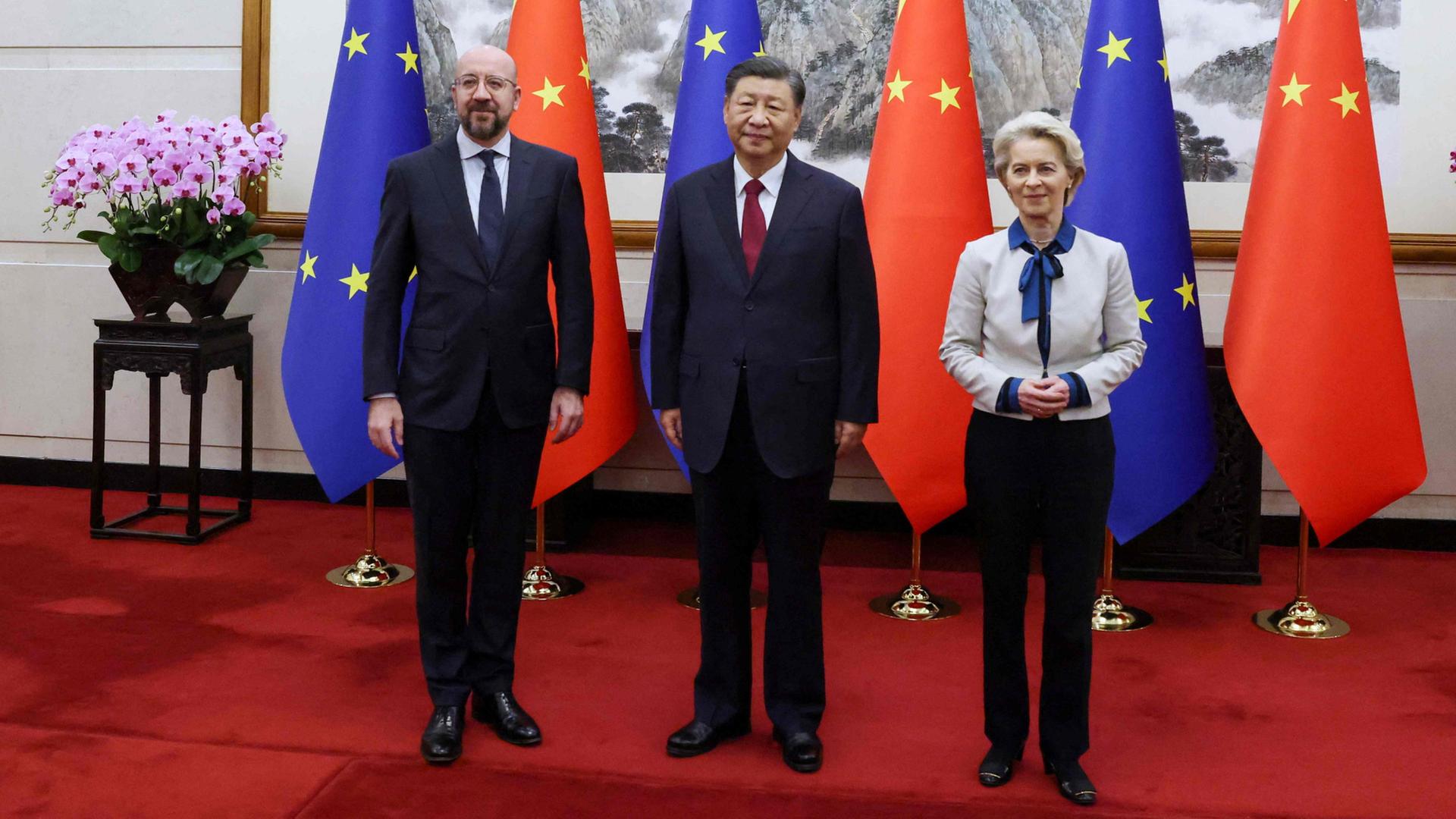
Beijing’s late-October global message framed the meeting between Chinese leader Xi Jinping and Canadian Prime Minister Mark Carney as a “turnaround,” invoking the “20th anniversary of the China–Canada strategic partnership” and saying both sides would “jointly advance” it.Ottawa’s perspective was notably cooler, describing a pragmatic reset and workmanlike efforts to clear trade “irritants,” avoiding the “strategic partnership” language. The label itself is not new: Beijing has used it since the relationship was raised in 2005 under then-Prime Minister Paul Martin and then-Chinese leader Hu Jintao, and Chinese statements this fall repeated that phrasing even as Ottawa sidestepped it. The nuance matters because markets and allies read signals carefully.
Beneath the rhetoric, the policy architecture points in one direction: tighter security and selective economic reopening. Canada’s May 2022 decision barred Huawei and ZTE from 5G networks and set removal deadlines—June 28, 2024, for 5G gear and end-2027 for legacy 4G—while pushing operators to halt procurement as of September 2022. It tightened controls on the essentials without triggering a full break.
Parliament also enacted the Countering Foreign Interference Act in June 2024. This measure created a Foreign Influence Transparency and Accountability regime and strengthened authorities across the Canadian Security Intelligence Service (CSIS) and the Criminal Code. Read it alongside departmental briefing books, and you see a through-line: Ottawa is expanding legal and administrative tools even as it tests a trade thaw. The result is a diplomatic reset tailored with harder domestic guardrails.
That reading also answers a recent op-ed claim that Ottawa “declared” a strategic relationship amid hybrid threats. Beijing certainly emphasized the term. Ottawa did not. When we anchor to primary records—government documents and statements, as well as the statutes and telecom directives—the story is not capitulation but compartmentalization: warmer tone for markets and consular problem-solving, as well as firmer lines around critical tech and interference. That is the same pattern we see in Japan, Australia, and the Philippines.
Japan: Rearming Carefully, Walling Off the Crown-Jewel Tech
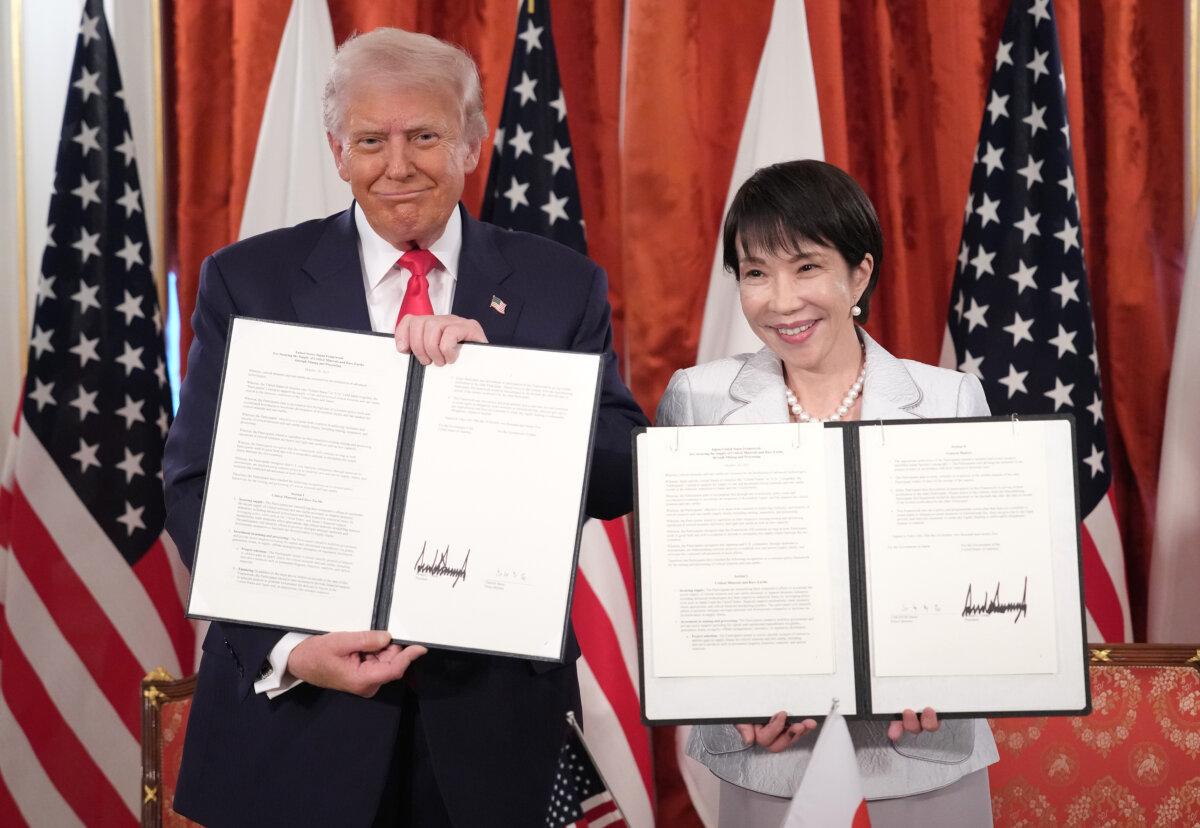
Tokyo’s 2022 National Security Strategy marked a generational shift: lift defense spending toward 2 percent of GDP by fiscal year 2027 and acquire counter-strike capacity, including Tomahawk land-attack missiles. Contracts signed in January 2024 locked in hundreds of Tomahawks to accelerate that capability, with public justifications tied to Chinese and North Korean missile trends. The politics are sensitive; the trajectory is clear.
.
The Philippines: Access for Crises, Evidence for Gray-Zone Pressure
Manila has expanded U.S. access under the Enhanced Defense Cooperation Agreement (EDCA), adding four sites in 2023: Naval Base Camilo Osias and Lal-lo Airport in Cagayan; Camp Melchor Dela Cruz in Isabela; and Balabac Island in Palawan. The decision has enabled strategic access to logistics, medevac, and refueling within hours rather than weeks. Filipino military leaders’ statements and site visits underline that the infrastructure partnership is for both external defense and disaster response.All of this plays out amid coercion across the South China Sea. Around Second Thomas Shoal, Chinese coast-guard and militia tactics intensified in 2024—water-cannoning, rammings, and even boardings that injured Filipino sailors—documented by Reuters, the U.S. Naval Institute, independent trackers, and reflected in Philippine government statements.
Australia: AUKUS for Capability, Trade Thaw for Stability
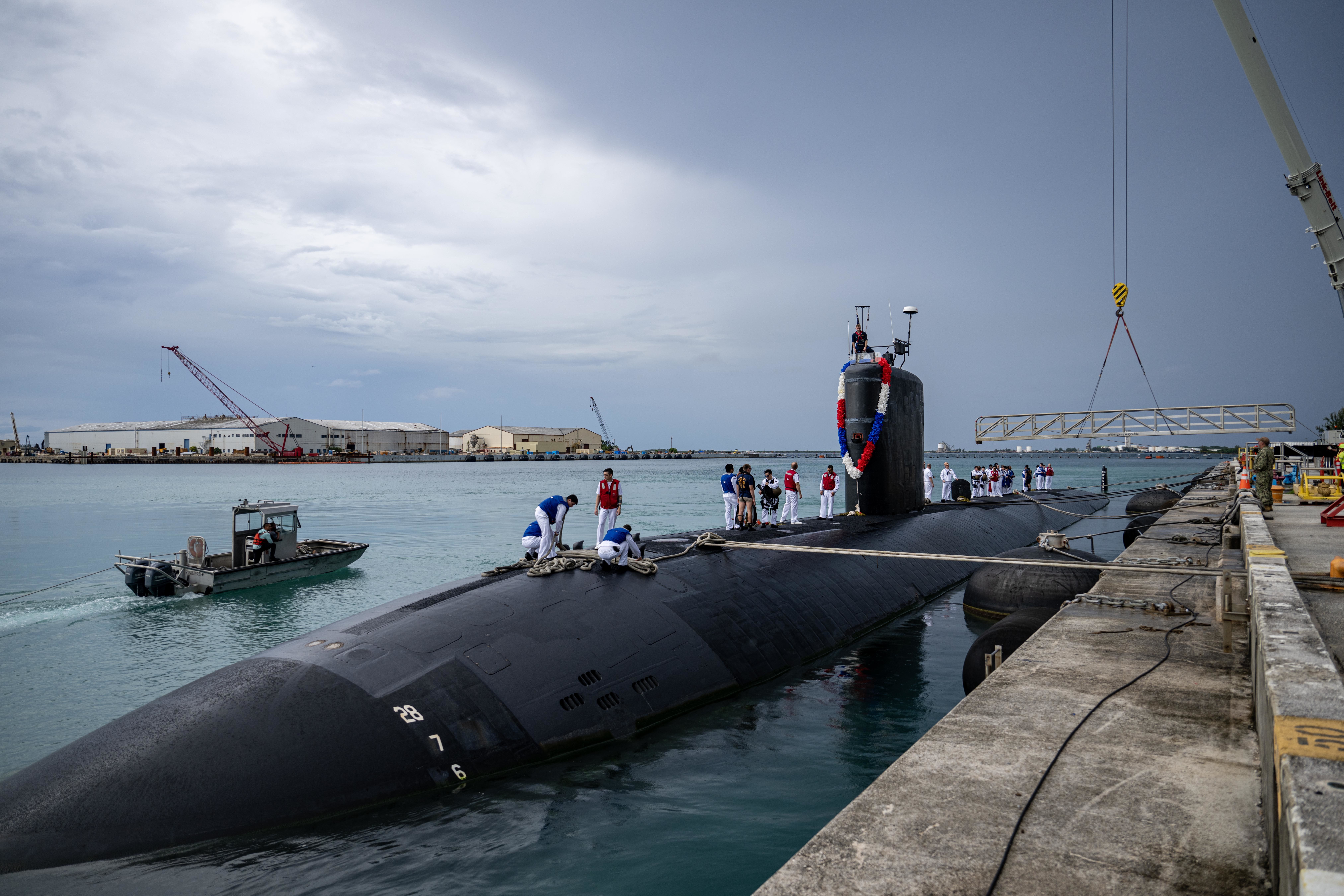
Canberra is doubling down on hard power under AUKUS, a trilateral security partnership between Australia, the United Kingdom, and the United States. The March 2023 AUKUS agreement outlines a three-phase pathway for Australia to acquire nuclear-powered submarines: first, a rotation of U.S. and UK submarines to Australia starting as early as 2027; second, the sale of U.S. Virginia-class submarines to Australia in the 2030s; and third, a U.S.–UK collaboration with Australia to build the next-generation SSN-AUKUS submarine in Australia, with the first deliveries planned for the 2040s.The approach mirrors U.S. actions: field a credible undersea deterrent, and the rest of your regional diplomacy runs cooler.
.
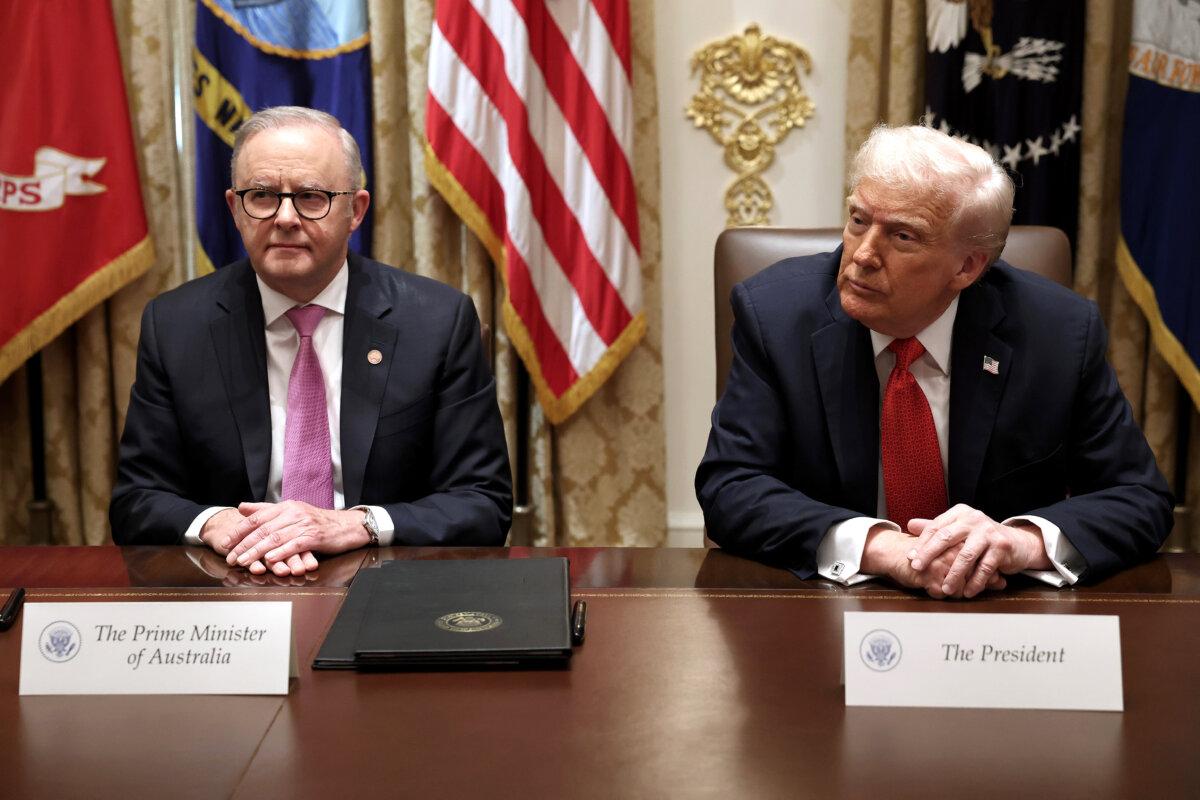
At the same time, Australia has engineered a careful commercial detente. Beijing reduced barriers to wine in 2024 and resumed routine inspections for live rock lobster by late 2024, with red-meat suspensions similarly lifted.
What Ties These Approaches Together?
This coalition isn’t sleepwalking. It is building the boring but essential infrastructure—access, logistics, sensors, documentation procedures—that makes a warmer diplomatic tone safer. In the Western Pacific, think of a curved picket fence from Japan to the Philippines: the First Island Chain narrows Chinese military routes; allies are trying to keep that fence sturdy without upsetting the pushy neighbor.Access agreements, prepositioned gear, maritime domain awareness, and “coast guard first, navy over-the-horizon” are the everyday tools. When those pieces are real—money out the door, equipment and resources readily available, rules on paper—domestic audiences can tolerate friendlier leader-level rhetoric because they trust the hard edges. That was the Reagan formula; it is the only way any thaw in U.S.–China relations can be palatable.
The Policy Test for Washington
If the United States wants this coalition to cohere, it should do three things highlighted by the research. Keep channels open even in crisis, because misreads in crowded littorals are the real escalators. Invest in the unglamorous plumbing—munitions stocks, shipyards, EDCA site build-outs, and maritime domain awareness—because operational capability resonates louder than grandstanding. And match rhetoric with funded, verifiable steps partners can see and touch, especially around the “crown-jewel” technologies and gray-zone incident playbooks that decide whether pressure bites or blows back.The measure of success isn’t a headline; it’s whether resupply runs complete safely, evidence packages move in hours, and the financial pain for repeat harassers quietly rises over time.
What's Your Reaction?
 Like
0
Like
0
 Dislike
0
Dislike
0
 Love
0
Love
0
 Funny
0
Funny
0
 Wow
0
Wow
0
 Sad
0
Sad
0
 Angry
0
Angry
0












Comments (0)