

The Mind Science Behind True Resilience

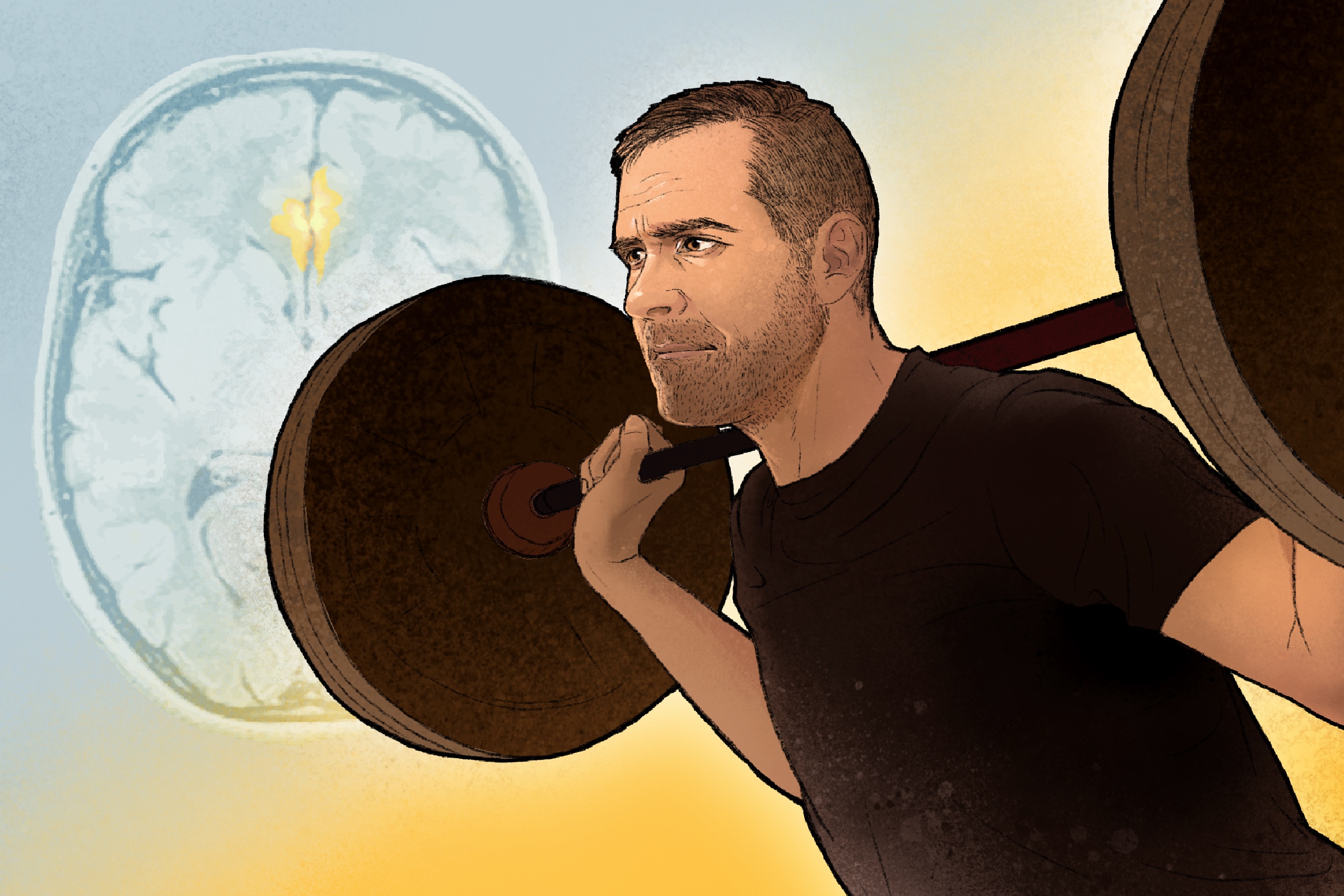
Pinned beneath an 80,000-pound fire truck with his left leg mangled, SWAT Sergeant Justin Dodge felt shooting pain storming in.
“I knew my course of life had changed in an instant,” he told The Epoch Times. As he felt every single bone in his foot crushed, he told himself, “If I live to get to the hospital, I’m going to make an epic comeback.”
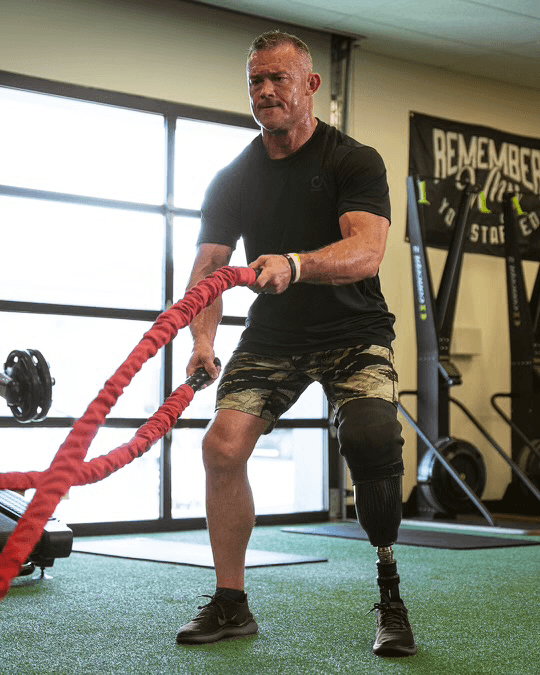
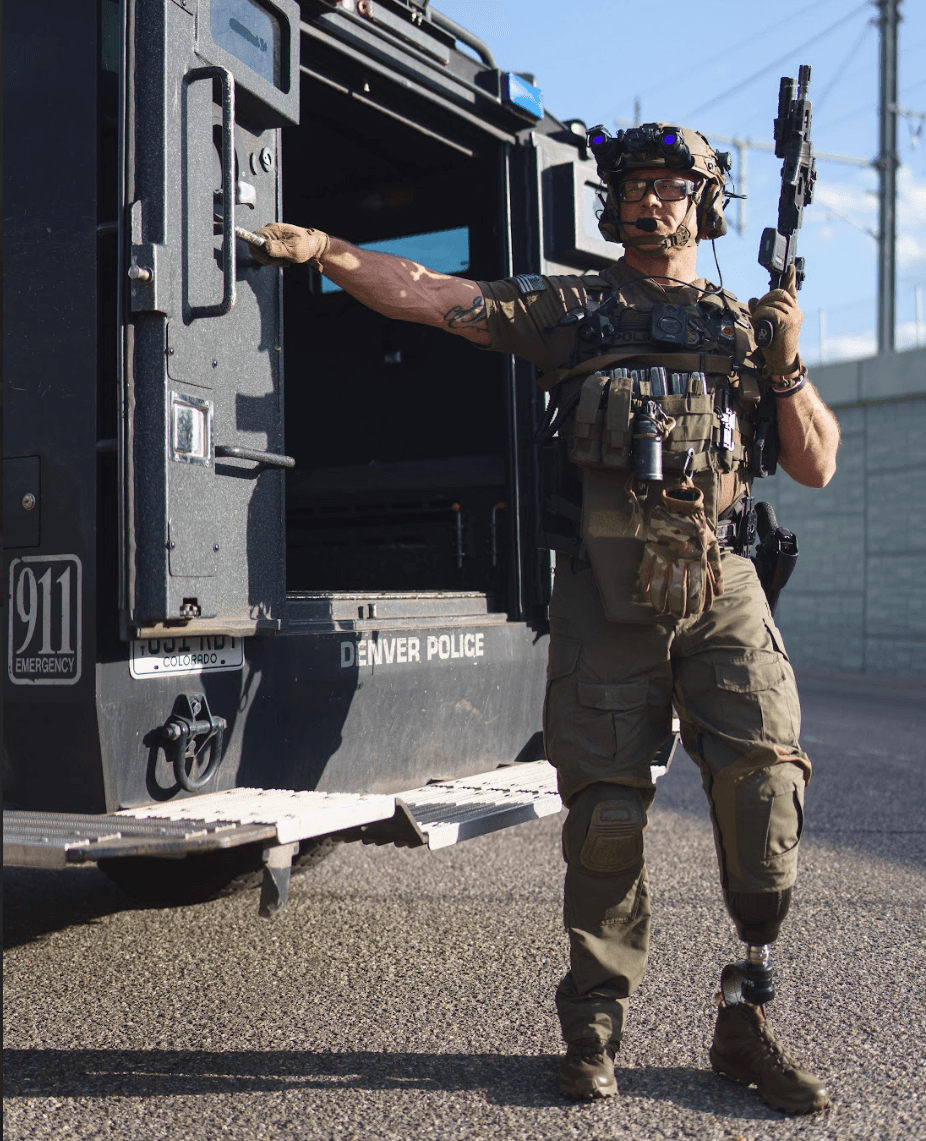
He was rushed to the hospital and underwent several surgeries, leading to an amputation below the knee. Yet, Dodge didn’t let tragedy define his life. Just four days before the incident’s one-year anniversary, Dodge returned to full SWAT duties, stronger than ever.
.
One Thought Determines the Outcome
Resilience has been conceived as grit, flexibility, and perseverance. An essay published in the International Journal of Environmental Research and Public Health likens it to a rock that bears weight without reaction, a spring that bounces back from strain, or a dandelion that flourishes in harsh conditions despite its delicate appearance.Resilience begins with how we see the world.
The psychological impact was “entirely attributable to that interpretation,” said Mancini. As writer Anaïs Nin once wrote, “We don’t see things as they are, we see them as we are.”
Hardship often ignites victimhood. People may think, “bad things always happen to me. Why can’t I get a break?” said Mancini.
“When we play the victim, we internalize and reinforce a sense of our own vulnerability, and that can become a self-fulfilling prophecy,” said Mancini.
Instead of seeing suffering as targeted persecution, resilient people learn to reframe: “Bad things do happen, and I just happened to be the recipient. Despite that, there are good things in the world, and I’m going to focus on those.” This reframing is particularly powerful. Being able to gradually wrap your mind around the experience allows you to assign it meaning and carry on.
Dodge credits his mindset shift from “Why me?” to “What now?” to fundamentally different life outcomes. Mindset shifts and the benefits incurred are reflected across the board among resilient people.
The Brain and Body of the Resilient Elite
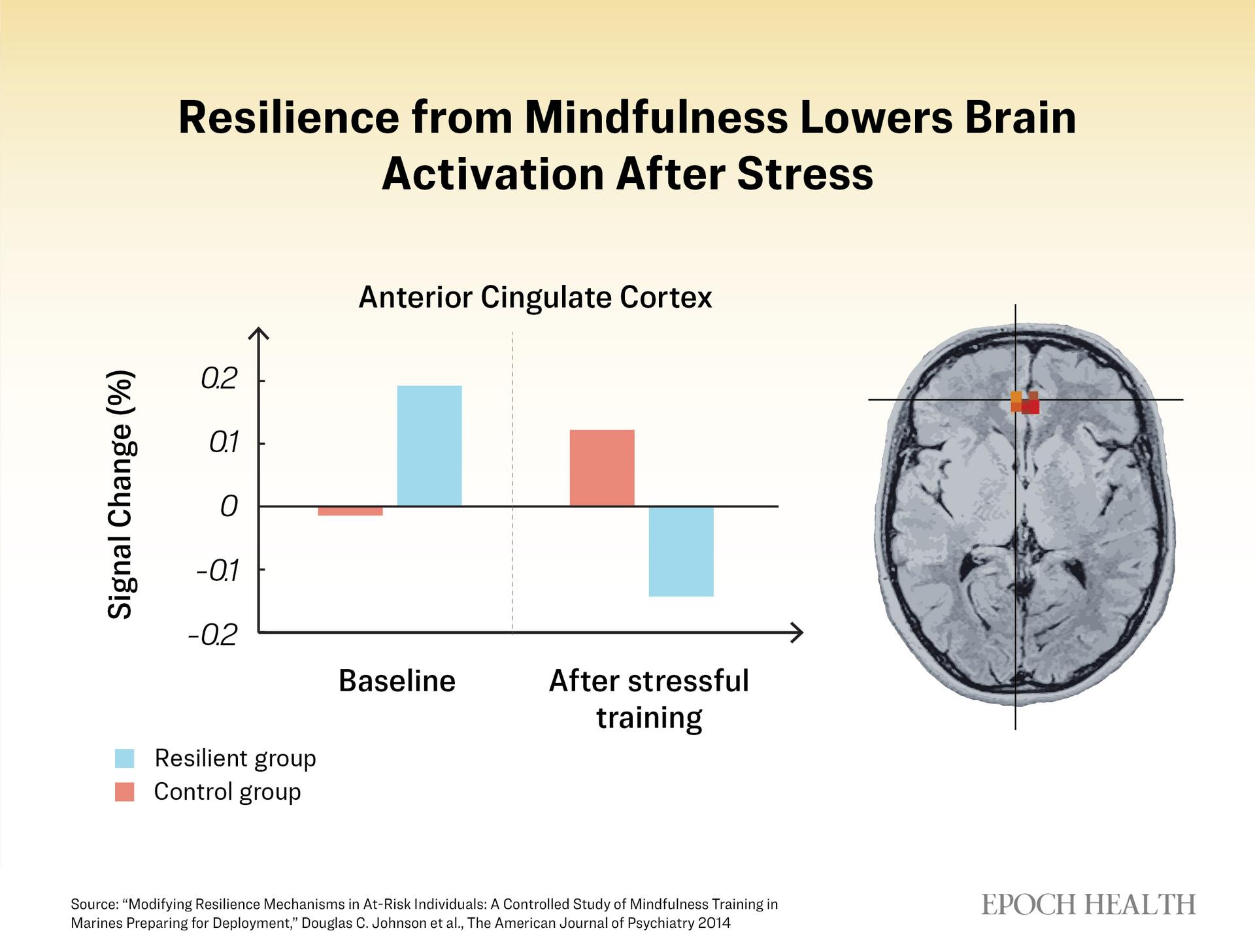
At the United States Naval Special Warfare Command, researchers followed 117 Special Operations Forces soldiers—including Navy SEALs and Green Berets—the pinnacle of military mental and physical toughness.Instead of putting the combat service members through combat simulations, scientists gave them a simple test: Hold your breath for 30 seconds. Breath-holding creates a controlled, measurable form of physiological stress. As carbon dioxide builds up in your blood, your brain’s blood vessels dilate and blood flow increases. It’s your brain’s way of trying to get more oxygen and a perfect window into how your brain handles and recovers from stress.
Interestingly, the most psychologically resilient soldiers didn’t necessarily have different stress responses—their brain blood flow spiked just like everyone else’s during the breath-holding. What made them stand out was that they recovered significantly faster. Their brains had learned not to waste energy staying revved up after the threat had passed.
Researchers took blood samples from the trainees and found that successful candidates had equivalent, and even higher levels of cortisol—the body’s main stress hormone—than others in the training. The main difference was in their recovery system.
Those who passed the training had significantly higher levels of DHEA, a hormone that helps restore balance after stress. These resilient individuals had a DHEA-to-cortisol ratio 32 percent higher than those who did not complete the task. Akin to driving, cortisol serves as your gas pedal, and DHEA as your brakes. Successful Navy SEALs had both the hormonal engine to deal with the stressors and brakes to reset to baseline.
.
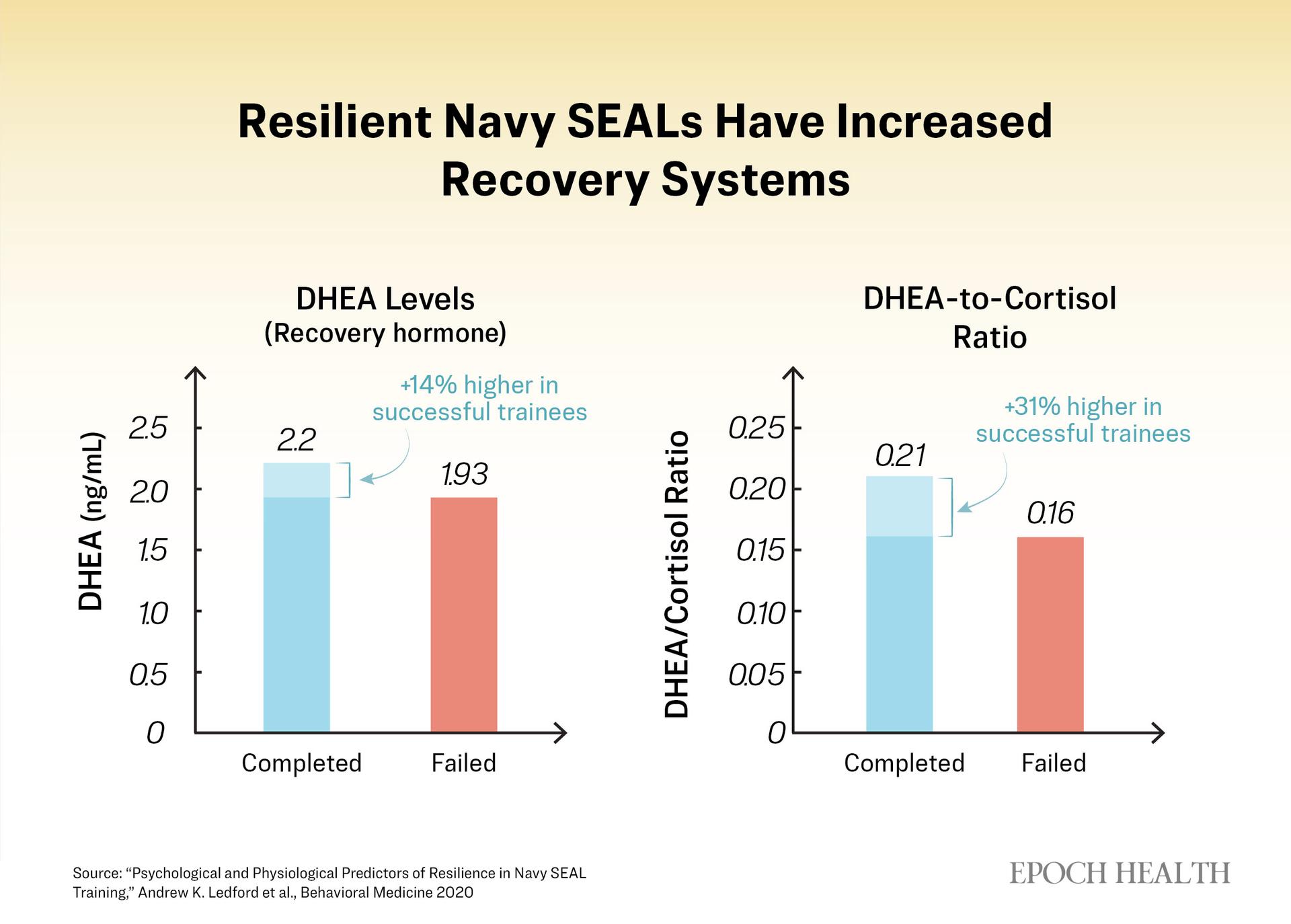
Illustration by The Epoch Times
.
The research challenges the myth that tough people just “handle stress better” in the sense of feeling it less intensely. The magic is in recovery. The Navy SEAL candidates’ bodies had developed (or naturally possessed) a more robust bounce-back system. The findings reframe how we view life’s pressures. You don’t need to be someone who “doesn’t get stressed.” Instead, the goal is to become someone who recovers well from stress.
Building Your Recovery System
How do we develop lasting resilience?Alyson Zalta, a resilience researcher and associate professor of psychological science at the University of California, Irvine, told The Epoch Times that people who are more flexible in their thinking are naturally more likely to be resilient.
Furthermore, Zalta noted that there are more basic yet equally important measures to cultivate resilience. She illustrated that life is like a woven fabric, and adversity pulls at and stretches the fabric. The more you engage in positive routines, such as good sleeping habits, nutrition, and exercise, the tighter and more resilient the weave. In this way, when adversity strikes, your habits allow you to bear without impediments.
Resilient people also break the facade of self-sufficient heroism. “Only the strong ask for help,” Kelly said. “When we embrace the truth that we are all wounded and broken, we can see the inherent need we all have for others.”
Similarly, Christina Cipriano, associate professor of applied developmental and educational psychology at Yale School of Medicine, supports that resilience is built around communities: “We do better together. We’re not meant to develop in silos. Positive, healthy, productive, supportive relationships are really critical to enduring and long-term skill building,” she told The Epoch Times.
Dodge, after losing his leg, would struggle to climb up even his own home stairs. His new normal required a vulnerability to be open with those around him. He would often lie on the floor, exhausted, crying, while his children surrounded him, cheering him on.
Those moments of frustration and support fueled his determination and willingness to ask for help. “I realized that asking ‘why me’ doesn’t do anything to help me in my situation. Instead, I’ve asked God, my family, [and] my medical staff: What can I do to get better?”
A Preventative Medicine
Mancini’s previous resilience studies, including research in the aftermath of 9/11 and school shootings, consistently show that 60 to 80 percent of people demonstrate resilient outcomes after major adversity. The capacity is already within us—the question is whether we further cultivate it before crisis strikes.Cipriano added that “we don’t need to have adversity to have a reason to learn the skill [resilience]. Actually learning the skill prior to the experience of adversity is better protection to set yourself up for success.”
Dodge said to view resilience as preventative medicine, which may require putting aside the “magic pill mentality.”
“We want everything to be an easy button,” he said. “But that’s just not the reality of how life works.”
“You can’t eat an elephant in one bite,” he said. “By finding small victories and then building on those consistently, when you look back weeks or months later, it’s incredible where you’ve come.”
Thus, Dodge says that the question isn’t whether challenges will come. The question is: “What are you doing today that’s making tomorrow better?”
Someday, when the weight of the world is pressing down on you, your recovery won’t depend on how strong you are at that moment. It will depend on your preparation, how quickly you can find your way back, and how you decide to grow from the difficulty.
In the space between tragedy and comeback, failure and success, resilience is up for grabs.
.
What's Your Reaction?
 Like
0
Like
0
 Dislike
0
Dislike
0
 Love
0
Love
0
 Funny
0
Funny
0
 Wow
0
Wow
0
 Sad
0
Sad
0
 Angry
0
Angry
0












Comments (0)