

Opposition Pressures Government on High-Level Labor Figures at Beijing Military Event


Former Labor leaders Bob Carr and Daniel Andrews are facing criticism for travelling to Beijing to attend a Chinese Communist Party (CCP) military parade.
Opposition figures say the event showcases China’s military power and puts them shoulder to shoulder with dictators like Russia’s Vladimir Putin and North Korea’s Kim Jong Un.
Opposition Leader Sussan Ley said the decision to attend was theirs as private citizens, but questioned their judgement.
“This isn’t a trade event. It’s a military parade. I know that our ambassador to China isn’t going, and I think these former Labor leaders have to explain why it is appropriate to go to a military parade attended by Kim Jong Un and Vladimir Putin,” Ley said.
Shadow Defence Minister Angus Taylor went further, arguing the parade glorified military aggression.
“This parade will be celebrating the military buildup of the Chinese Communist Party, but they’re also hanging out with authoritarian dictators from around the world, and these people seriously do not share our values,” he said.
Taylor accused Carr and Andrews of turning a blind eye to growing threats.
“Despite authoritarian regimes around the world flexing their muscles in ways we haven’t seen, these two Labor heavyweights are still heading up to celebrate with these people,” he said
Albanese Plays Down Concerns
Prime Minister Anthony Albanese defended the pair, noting they were not representing the government.“We’re sending a diplomat, we'll be there,” he told reporters in Canberra.
He recalled that in 2015, then-prime minister Tony Abbott had sent government minister Michael Ronaldson to attend a similar parade for the 70th anniversary.
Albanese also pushed back on suggestions that the men were engaging with Putin.
“He’s not meeting them,” the Prime Minister said.
The CCP event marks the 80th anniversary of China’s victory in the Second Sino-Japanese War.
Controversy Dominates Question Time
The controversy spilled into Parliament, with Taylor pressing the Prime Minister to echo former Queensland Premier Annastacia Palaszczuk’s view that attending the event was a “bridge too far.”Albanese avoided mentioning Andrews directly, instead noting the precedent set a decade ago.
At the 70th anniversary a decade ago, the former Coalition government sent Liberal minister Michael Ronaldson to represent Australia.
“I am responsible for the Australian government,” Albanese said.
Taylor went further, asking if Albanese would condemn his “close personal friend” Andrews. The Speaker, Milton Dick, ruled the question out of order, noting it did not fall under the PM’s responsibilities.
Earlier, Victorian minister Vicki Ward defended Andrews, saying he attended in a private capacity.
Carr Responds
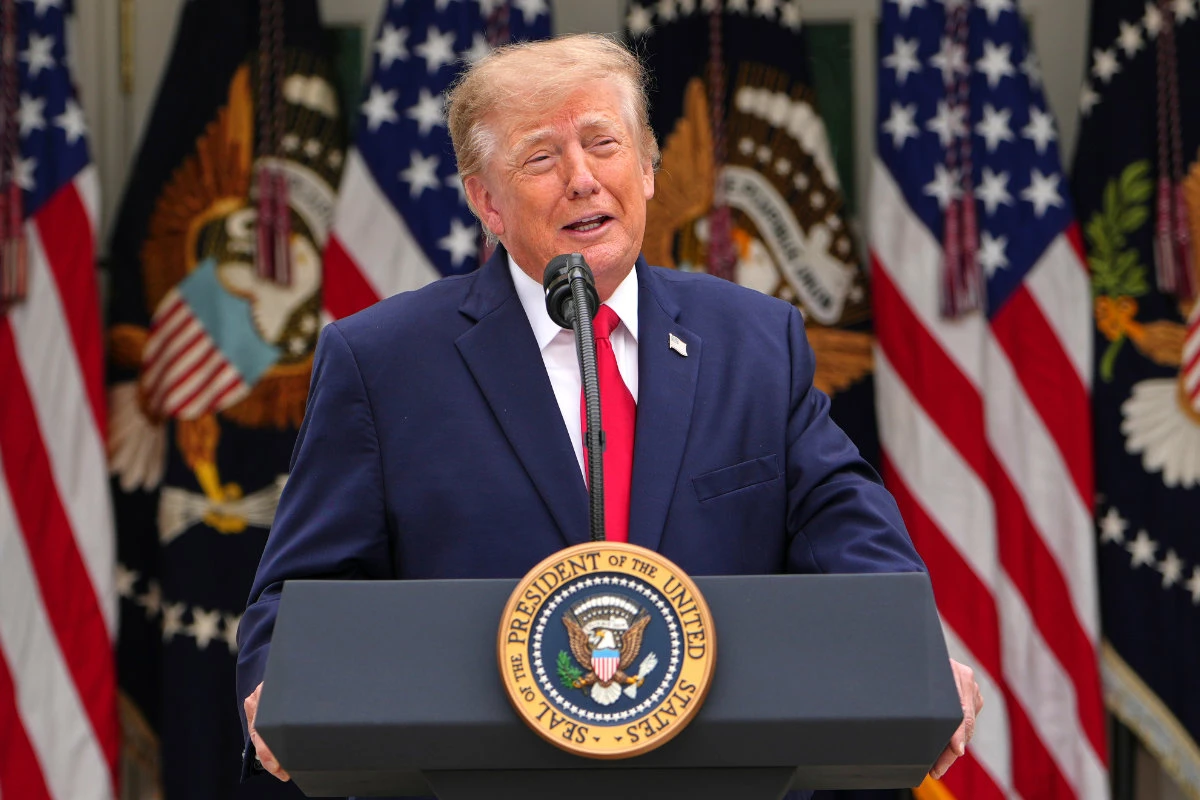
Former foreign minister Bob Carr has rejected the criticism of his attendance at Beijing’s military parade, pointing to past engagements with Putin by Western leaders.He asked why Coalition figures did not object when former U.S. president Donald Trump met Putin.
“Rightwing blowhards who find Putin’s presence an affront did not howl with indignation when their pin-up Donald Trump rolled out the red carpet for him in Anchorage—gifting him a propaganda triumph and strategic edge,” Carr posted on X.
In an opinion piece, Carr said Australians should recognise China’s role in World War II, arguing Chinese armies tied down one million Japanese troops, helping prevent a possible invasion of Australia.
Debate Over China’s Role
The invitations follow Albanese’s own trip to Beijing earlier this year to stabilise trade.China has circled Australia with warships, made little progress on the case of detained academic Yang Hengjun, and has expanded its reach abroad through transnational repression.
Liberal Senator Jacinta Nampijinpa Price said Australians underestimate the CCP’s threat.
“It’s confounding that a recent Newspoll found that more Australians are worried about President Trump’s tariffs than the Chinese Communist Party’s military aggression,” she told the Bush Summit on Sept. 1.
She accused the government of softening its language.
“Such vague bureaucratic speak stops our nation discussing what we must,” she said, calling for a “frank and national debate” on the CCP’s military aggression and foreign interference.
At the same summit, Albanese pointed to the rebound in trade.
“One of the good news stories of the past couple of years is that we are back in business with our biggest trade partner,” he said, pointing to billions in exports of barley, wine, coal, and red meat.
.
What's Your Reaction?
 Like
0
Like
0
 Dislike
0
Dislike
0
 Love
0
Love
0
 Funny
0
Funny
0
 Wow
0
Wow
0
 Sad
0
Sad
0
 Angry
0
Angry
0












Comments (0)