

Nvidia CEO Jensen Huang: "Society Must Create New Rules for the Age of AI"
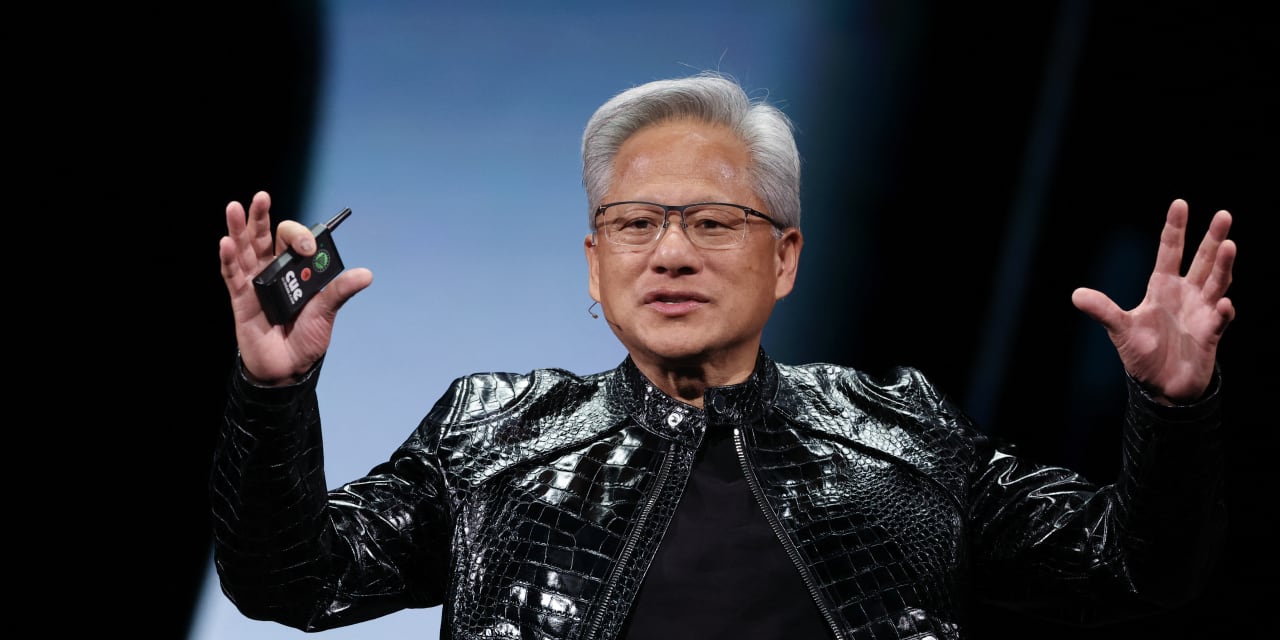
Nvidia CEO Jensen Huang is calling on society to fundamentally adapt to artificial intelligence — and argues that the United States risks falling behind, not because of weak technology, but because of an energy shortage. In an exclusive AP interview on June 16, 2026, he also addressed his relationship with President Trump, government ownership of AI firms, and the race against China.

.
"Just Go Use It"
Jensen Huang, the CEO of Nvidia — the world's most valuable company with a market capitalization of roughly $5 trillion — is not known for holding back his opinions. In a candid interview with the Associated Press on Tuesday in Sherman, Texas, he made his position clear: artificial intelligence is not a threat to be feared. It is a tool to be used.
"We need to create new social norms," Huang said. "I would advocate that everybody use AI. Just go engage it."
The interview took place at the groundbreaking ceremony for an expansion of the Coherent manufacturing facility — a factory developing laser technology to transmit data between chips. The technology could reduce energy consumption in AI systems by up to 50 percent.
Like Cars Before Them
Huang compared today's fears about AI to early anxieties about the automobile. Cars were once blamed for endangering children, he noted. Society responded not by banning vehicles, but by building sidewalks, crosswalks, and new norms for public space.
He believes the same process is underway with AI. People can now design websites, analyze legal documents, or plan a kitchen renovation — all without knowing how to write a single line of code. For Huang, this is progress that narrows, rather than widens, the technological divide in America.
America's Blind Spot: Energy
Despite his optimism about AI, Huang was direct about one major vulnerability. The United States, he said, is simply not producing enough electricity to support the infrastructure that artificial intelligence demands.
Data centers — the facilities that run AI systems — consume enormous amounts of power. Without a reliable and expanding energy supply, the U.S. risks squandering its lead in AI hardware, model development, and computing infrastructure.
"The United States is woefully behind in energy production," Huang said. "We just suffocated energy production for too long."
He praised President Trump's push to expand domestic energy production, which has focused on oil, coal, and natural gas. Huang did not comment on the administration's skepticism toward wind and solar energy.
National Security Comes First — But Clear Rules Are Needed
The Trump administration has shifted toward a more hands-on approach to regulating AI, particularly on national security grounds. It has placed export controls on certain AI models and introduced a framework requiring new AI systems to be voluntarily screened by the government before public release.
Huang supports the national security focus — but with a caveat. Policies must be specific, he argued, and clearly targeted at real risks. Vague or overly broad restrictions, he warned, can do more harm than good.
During the Biden years, Nvidia actively pushed back against chip export controls designed to limit sales to China. Huang argued at the time — and continues to argue — that such bans do not actually slow China's AI development. They only push Chinese buyers toward non-American suppliers.
He has since accompanied President Trump on a state visit to China and sits on the President's Council of Advisors on Science and Technology. When Senator Elizabeth Warren recently invited Huang to testify before the Senate Banking Committee on Nvidia's China sales and export posture, he declined.
No to Government Ownership of AI Companies
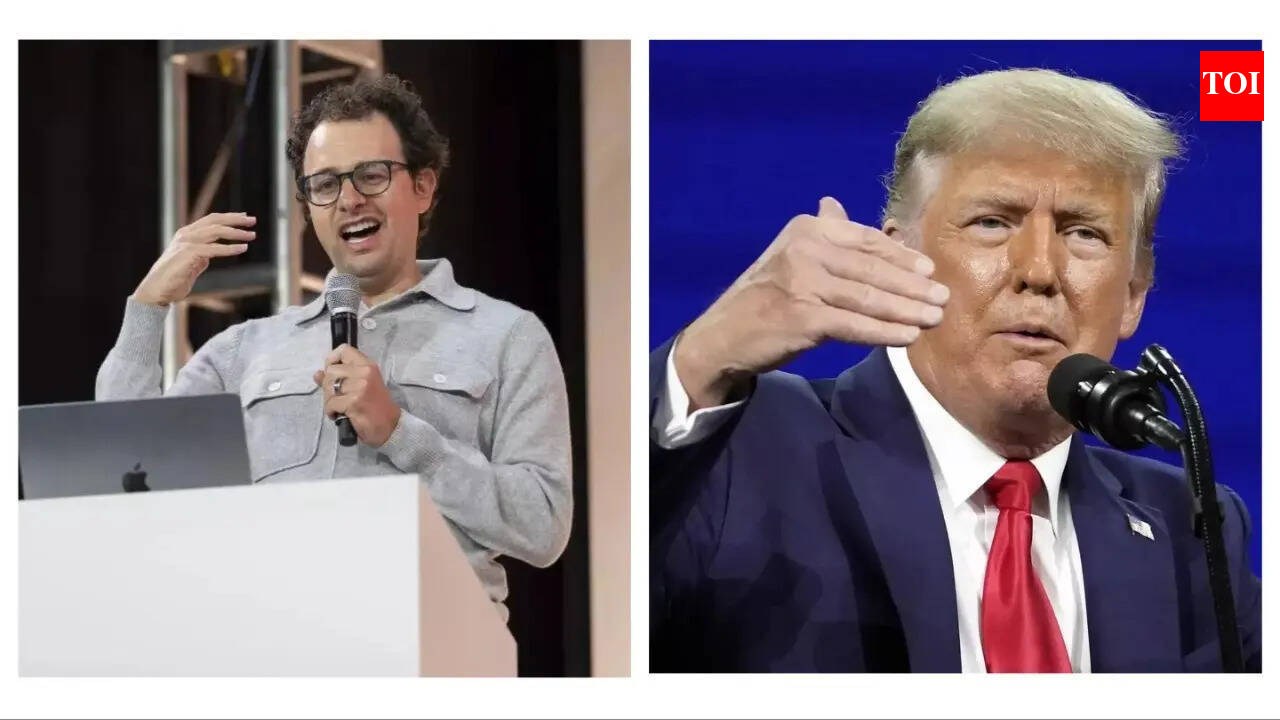
A recent discussion in Washington has centered on whether the U.S. government should hold equity stakes in major AI companies — so that public wealth from the AI boom would be shared more broadly. The idea has been floated by figures as different as Senator Bernie Sanders and OpenAI CEO Sam Altman. President Trump has also mused about it publicly.
Huang is skeptical. He argued that Americans already have a stake in AI companies — through stock market investments, tax revenues, and the jobs these firms create.
"I'm not exactly sure what they're trying to achieve," he said. "These are American companies. Their success benefits stock prices, of which many Americans are investors. It generates taxes, which helps many Americans. It creates a lot of jobs."
A Friendship Built Over Dinner
Huang's relationship with Donald Trump began with a dinner invitation to Mar-a-Lago. Huang was in the area to receive the Edison Achievement Award and accepted the impromptu offer. He attended with his wife, Lori.
What struck him, Huang said, was Trump's focus — not on geopolitics or ideology, but on jobs, industrial revival, and winning.
"From the moment that I met him, the only thing he's ever talked to me about is creating more jobs, reindustrializing the United States, protecting national security, winning," Huang said.
That closeness has drawn criticism from Democratic lawmakers. But Huang made his position clear: "We could differ with politics, but we should want him to succeed. Because when President Trump succeeds, our country succeeds."
.
Sources
- AP News – Nvidia's Jensen Huang says society needs 'new social norms' in the age of AI (June 16, 2026): https://apnews.com/article/nvidea-huang-artificial-intelligence-8334abcbc6ed8d3d7889b640ec6fa05b
- CNBC – Warren invites Nvidia CEO Jensen Huang to Senate hearing on China AI chip sales (June 4, 2026): https://www.cnbc.com/2026/06/04/nvidia-ceo-jensen-huang-warren-senate-hearing-china-ai-chips.html
- CNBC – Nvidia CEO Jensen Huang declines Senate testimony on AI, China and exports (June 8, 2026): https://www.cnbc.com/2026/06/08/nvidia-jensen-huang-senate-elizabeth-warren-ai-china-export-controls.html
- The Hill / AOL – Nvidia CEO meets with Trump, talks export controls (December 2025): https://thehill.com/policy/technology/5633423-nvidia-trump-meeting-export-controls/
.
What's Your Reaction?
 Like
0
Like
0
 Dislike
0
Dislike
0
 Love
0
Love
0
 Funny
0
Funny
0
 Wow
0
Wow
0
 Sad
0
Sad
0
 Angry
0
Angry
0















Comments (0)