

Key Takeaways From Trump’s Asia Trip


.
Gyeongju, SOUTH KOREA—U.S. President Donald Trump concluded his whirlwind three-nation tour of Asia on Oct. 30, marked by high-stakes summits, major trade and investment agreements, a peace pact, and a closely watched meeting with Chinese leader Xi Jinping.
1-Year US–China Deal
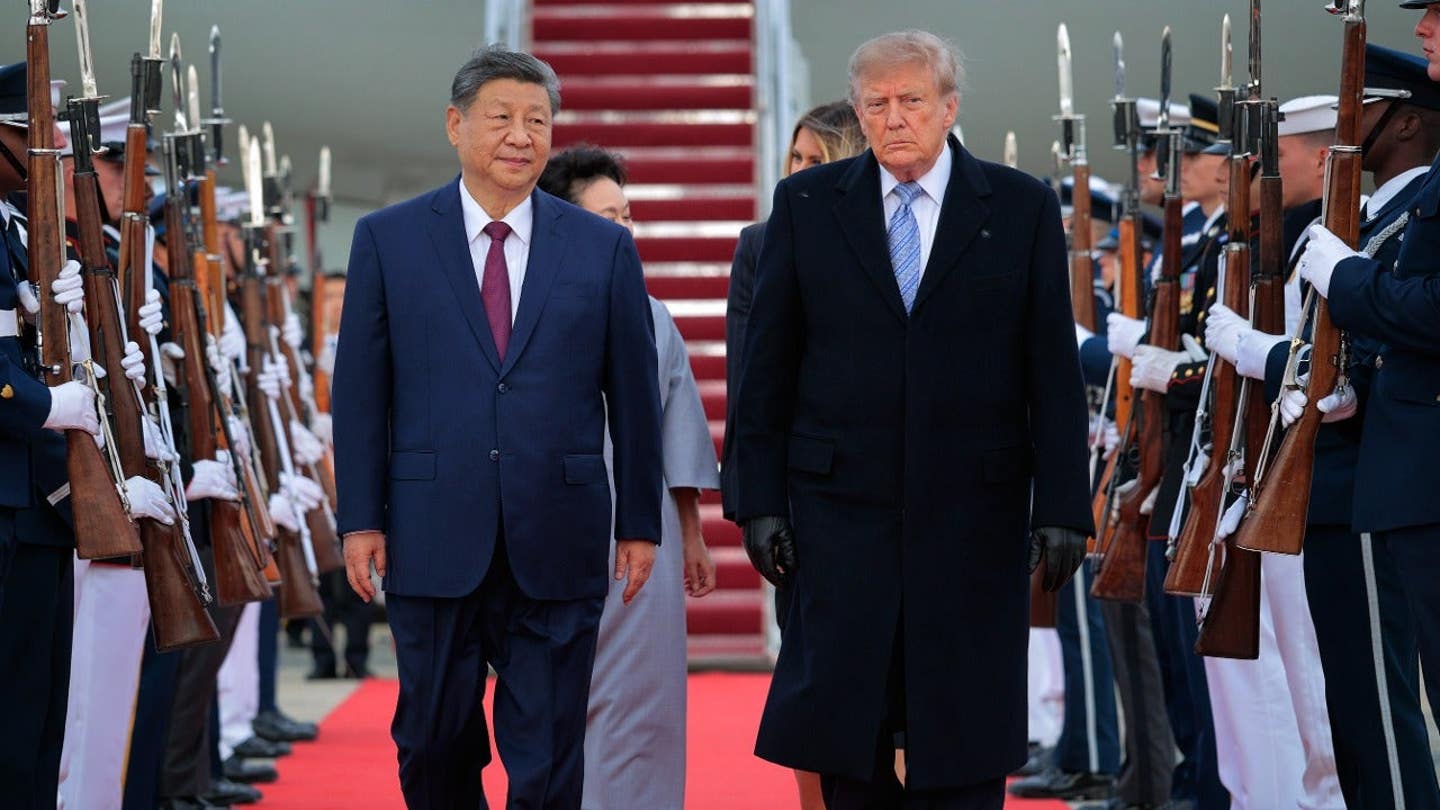
Following months of negotiations and friction between U.S. and Chinese trade envoys, Trump and Xi met for nearly two hours in Busan, South Korea, on Oct. 30, reaching a one-year truce on some contentious issues.“A lot of decisions were made,” Trump told reporters aboard Air Force One on the way back to Washington. “We’ve come to [a] conclusion on many very important points.”
Additionally, China would continue the shipments of rare earths, critical minerals, and magnets “openly and freely,” Trump wrote. The president also said Beijing could make “large-scale” purchases of Alaskan oil and gas. He didn’t mention whether a deal was reached on TikTok.
In exchange, Trump agreed to cut fentanyl-related tariffs on China in half, from the 20 percent rate imposed in January to 10 percent. With this change, overall tariffs on Chinese goods came down to 47 percent, according to Trump.
.

The president told reporters that the agreement will be renegotiated annually, though he expressed hope it “will go on for a long time—long beyond a year.”
Flurry of Rare Earths Deals
Trump prioritized securing stable supplies of critical minerals and rare earths while on his Asian excursion, signing deals with Cambodia, Japan, Malaysia, Thailand, South Korea, and Vietnam.The deals are part of the administration’s effort to diversify supply chains and reduce reliance on China, aiming to stabilize the supply of raw materials essential to electronics, communications equipment, and military hardware. Partnering nations agreed to limit export controls and collaborate on supply chain investment and protection initiatives.
Rare earths were also a central topic in Trump’s meeting with Xi, as Beijing had restricted shipments of some critical materials recently.
“We focused on export controls of China on rare earth, and they’re going to keep those flowing,” Trump told reporters after his talk with the Chinese leader.
Strengthened Ties With Japan
On the second leg of his tour of Asia, Trump met with the newly elected prime minister of Japan, Sanae Takaichi, the first woman in the nation’s history to hold the position.The warm relationship between the two leaders was notable during the visit.
.
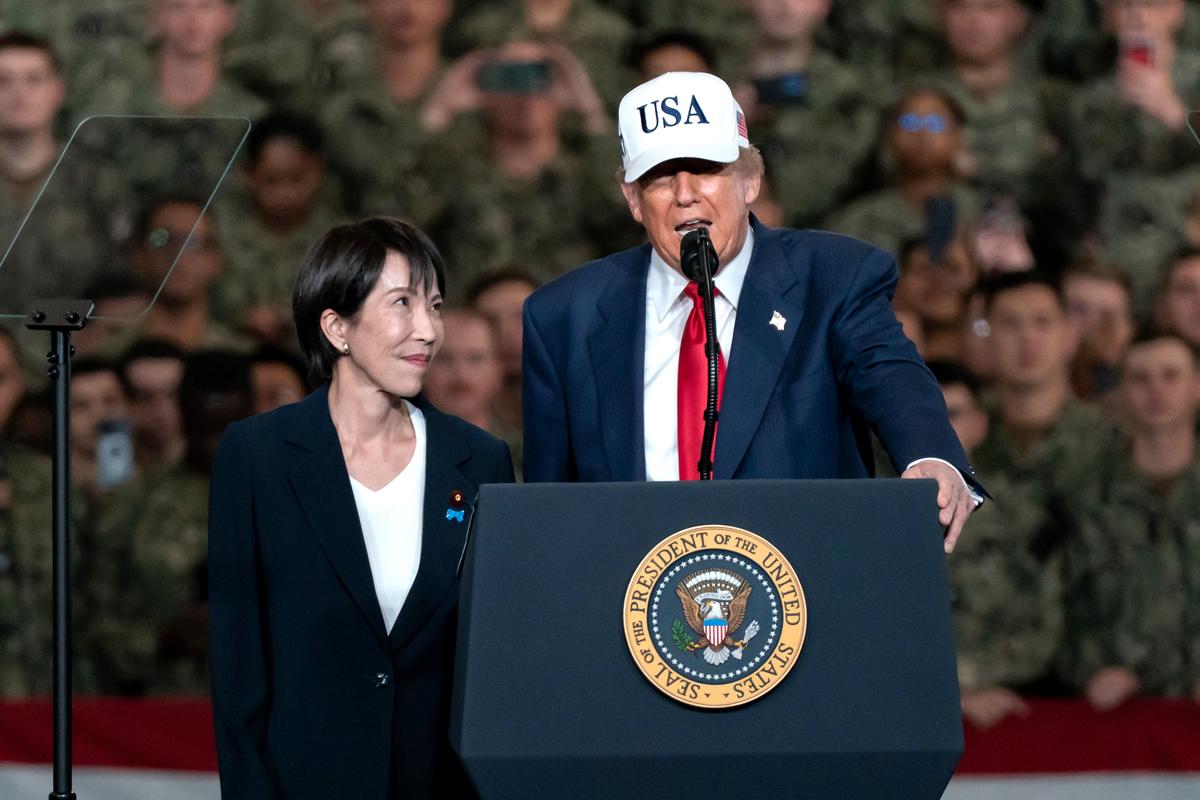
“I want to just let you know anytime you have any question, any doubt, anything you want, any favors you need, anything I can do to help Japan, we will be there,” Trump told Takaichi on Oct. 28. “We are an ally at the strongest level.”
Takaichi agreed, echoing Trump’s comments about the importance of a strong bilateral relationship.
“Japan and the United States will advance together, with our sails raised high, across a free and open sea,” she said.
$350 Billion US Investment by Seoul
South Korea has agreed to invest $350 billion in the United States following months of negotiations, the two sides announced on Oct. 29 after Trump met with South Korean President Lee Jae Myung in Gyeongju.Talks had earlier stalled over Trump’s demand that the full amount be invested up front. Seoul warned that such a big commitment could destabilize its economy, as the sum represents nearly one-fifth of South Korea’s GDP and 72 percent of its government’s budget.
.
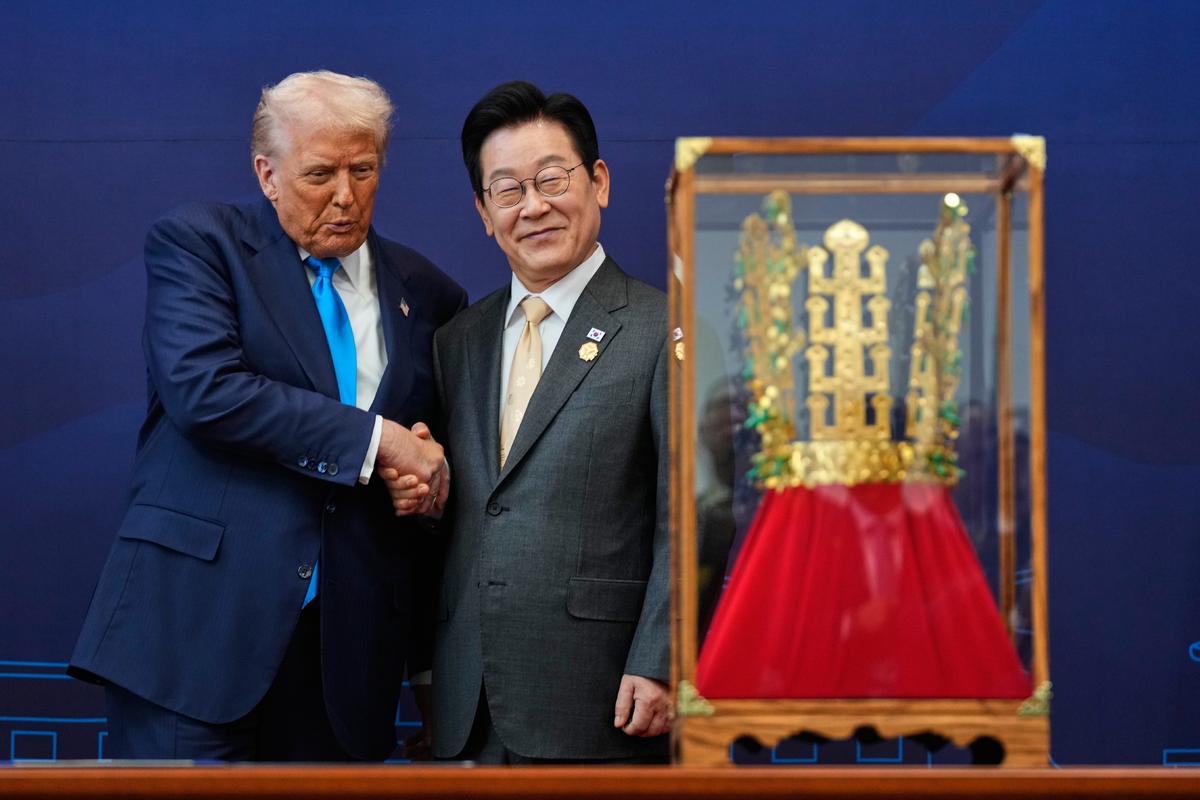
In the end, both sides reached a compromise, with Seoul setting an annual investment cap of $20 billion.
South Asia at Center of US–China Power Struggle
Trump’s first stop was Malaysia, where he attended the Association of Southeast Asian Nations (ASEAN) summit. He arrived in Kuala Lumpur on Oct. 26 to a warm welcome on the tarmac, featuring traditional dance performances.The visit underscored the intensifying competition for influence in the region amid growing rivalry with China.
.
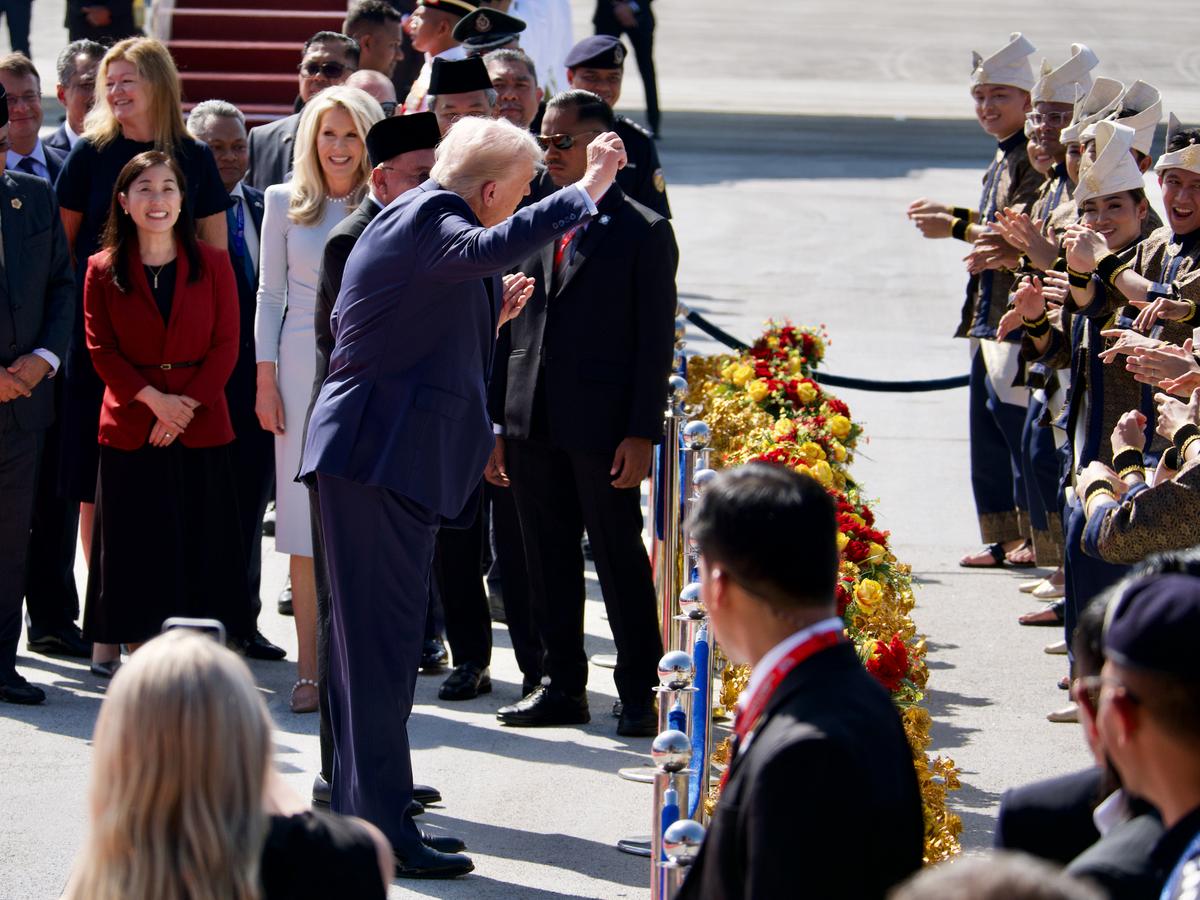
Southeast Asia has become a strategic battleground as the United States seeks to counter communist China’s growing influence over countries in the region.
Chinese Premier Li Qiang also attended the ASEAN summit, noting in his opening remarks that high tariffs are creating challenges for the region, implicitly taking aim at Trump’s tariff measures.
.
What's Your Reaction?
 Like
0
Like
0
 Dislike
0
Dislike
0
 Love
0
Love
0
 Funny
0
Funny
0
 Wow
0
Wow
0
 Sad
0
Sad
0
 Angry
0
Angry
0












Comments (0)