

EU Criticizes Beijing’s Support for War in Ukraine After Xi’s ‘Peace or War’ Comment

In his official address, Xi said that the world today “is faced with the choice of peace or war.”
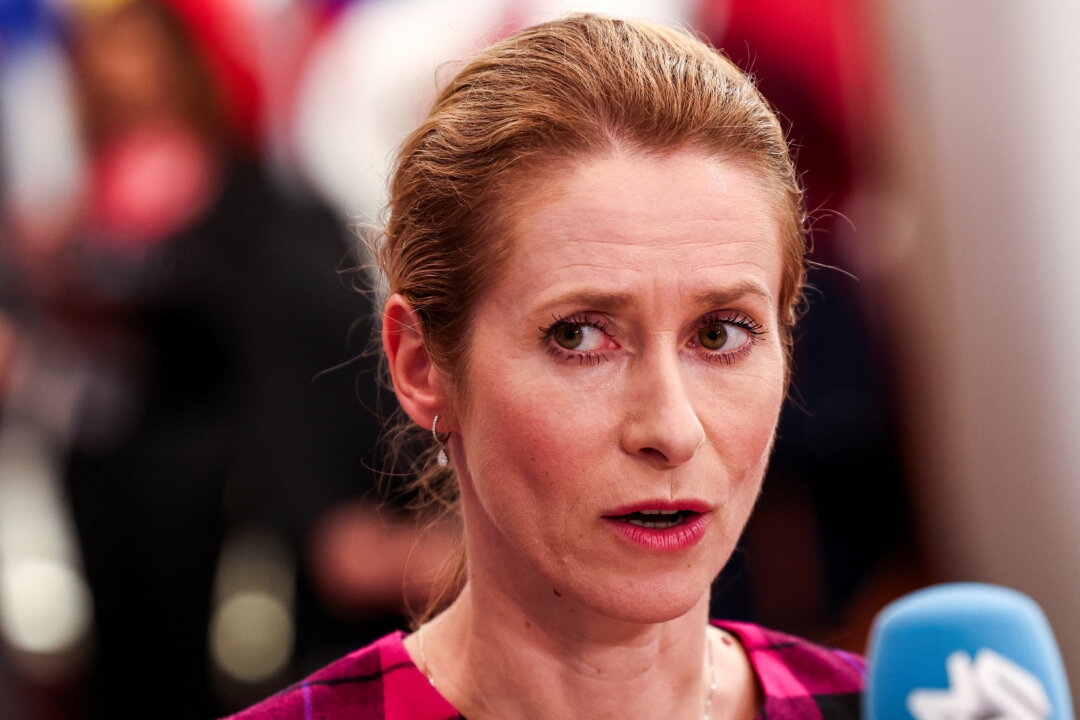
European Union foreign policy chief Kaja Kallas told reporters in Brussels that this “autocratic” alliance’s ambitions were a reality that the EU needed to face.
“While Western leaders gather in diplomacy, an autocratic alliance is seeking a fast track to a new world order,” Kallas said.
“Looking at President Xi standing alongside the leaders of Russia, Iran, [and] North Korea in Beijing today, these aren’t just anti-Western optics: This is a direct challenge to the international system built on rules.
“And it’s not just symbolic. Russia’s war in Ukraine is being sustained by Chinese support. These are realities that Europe needs to confront.”
On the same day, Ukrainian President Volodymyr Zelenskyy stated on Telegram that Russia had launched more than 500 drones and dozens of missiles that had hit infrastructure at 14 sites in Ukraine, and he said that he would be asking EU and U.S. partners for support at an upcoming summit in France.
The Chinese regime has refused to condemn the Russia–Ukraine war and has supported Russia, including by helping Russia evade sanctions and selling weapons to Moscow.
Putin also thanked Kim on Sept. 3 for his support in the war by means of sending North Korean troops to Ukraine. In response, Kim pledged to do “everything” he could to “assist” Moscow and said he considered it his “fraternal obligation.”
Russian state media on Sept. 3 also reported that Russia is helping China with its nuclear capabilities to achieve the CCP’s ambitions to overtake the United States.
Engin Eroglu, head of the European Parliament China committee, also criticized Beijing’s support for the war in Ukraine on social media.
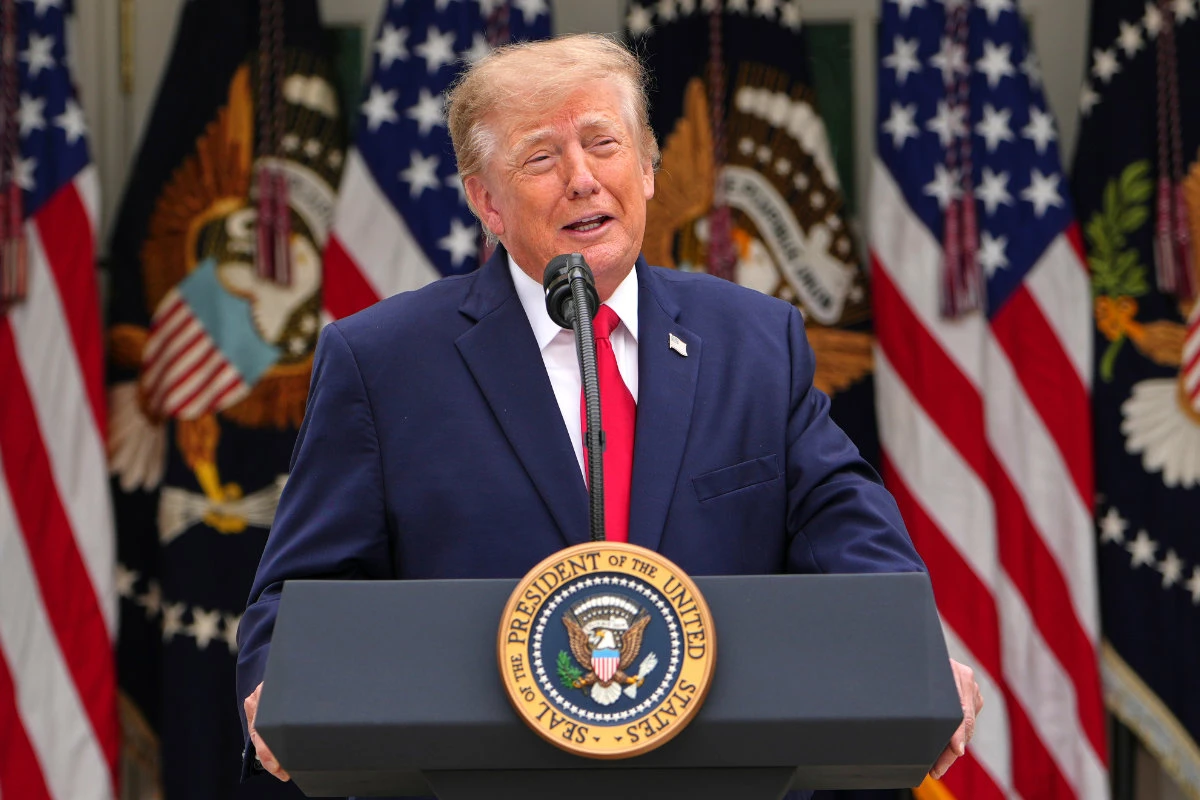
“Not because we seek conflict; we do not, and we’ve been clear about that with China and Russia and others,” he said.
“Demonstrations of parades are fine, but they don’t, hopefully, manifest in actual military conflict.
“We know what they believe and what they’re about. We also know how strong we are and the military advantages we have. They know that also.”
What's Your Reaction?
 Like
0
Like
0
 Dislike
0
Dislike
0
 Love
0
Love
0
 Funny
0
Funny
0
 Wow
0
Wow
0
 Sad
0
Sad
0
 Angry
0
Angry
0











Comments (0)