

China’s De-Dollarization Push Meets Washington’s Defense of the Dollar

.
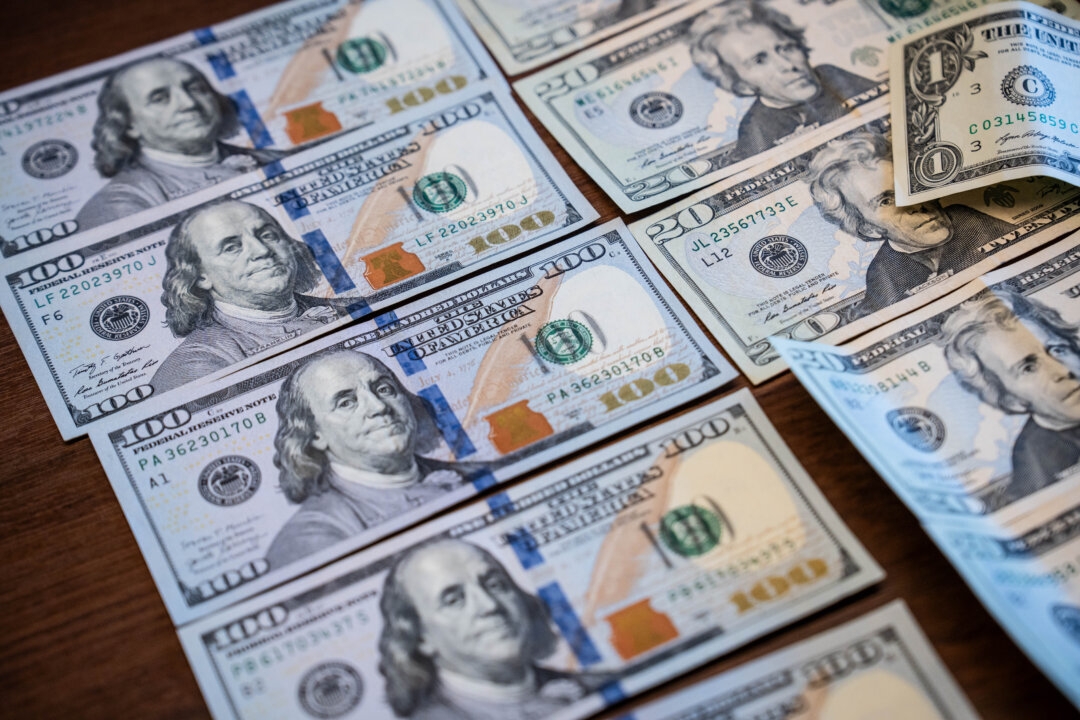
For decades, the U.S. dollar has been the foundation of the global financial system. It dominates trade settlement, anchors central-bank reserves, and underpins international financial networks such as SWIFT. That status has given Washington enormous economic and geopolitical leverage.
But from Beijing’s perspective, that same system is a strategic vulnerability. Because the dollar sits at the center of global finance, the United States can use it to enforce sanctions, control financial flows, and shape geopolitical outcomes.
China’s response has been a long-term strategy known as de-dollarization, which involves a sustained effort to reduce the world’s dependence on the U.S. currency through alternative trade mechanisms, financial institutions, and payment systems.
BRICS and China’s Vision of a Multipolar Financial Order
One of Beijing’s most important tools for reducing dollar dependence is the BRICS bloc, originally formed by Brazil, Russia, India, China, and South Africa.Collectively, BRICS countries represent more than 40 percent of the world’s population and a growing share of global GDP, giving them significant potential influence over the future of international finance.
Within BRICS, China has pushed for trade settlements in national currencies rather than dollars, encouraging bilateral currency swaps and alternative payment systems that bypass Western financial infrastructure.
The bloc has also created new financial institutions—such as the New Development Bank and the Contingent Reserve Arrangement—to provide alternatives to Western institutions like the IMF and World Bank.
Tariffs and Economic Pressure: Reinforcing Dollar-Centered Trade
From China’s viewpoint, U.S. tariffs demonstrate how Washington uses economic policy to shape global trade in ways that ultimately reinforce the dollar system.They’re not wrong.
The United States has imposed extensive tariffs on Chinese imports during the ongoing trade conflict between the two countries. The impact has been inconsistent but significant.
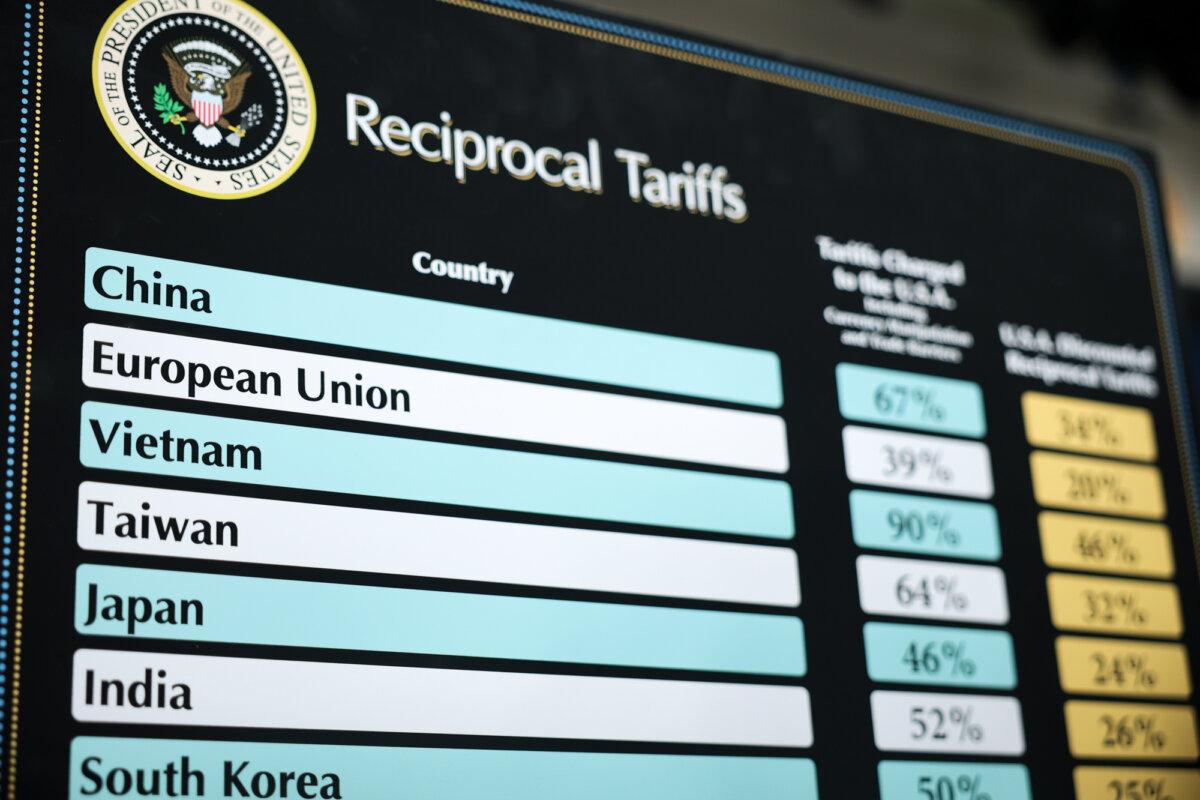
In response, China has imposed retaliatory tariffs on U.S. goods, escalating the trade conflict and pushing both countries toward partial economic decoupling.
From Beijing’s perspective, such trade policies highlight why reliance on a dollar-centered global economy can be risky.
Energy Politics: Venezuela and the Dollar Oil System
Energy markets represent another major arena in the competition between dollar dominance and emerging alternatives.By the time the United States deposed Venezuelan leader Nicolás Maduro, China had invested billions of dollars in Venezuela’s energy sector over the past two decades in order to secure long-term oil supplies through infrastructure investment and financing agreements.
However, U.S. control over Venezuela’s oil industry has dramatically restricted its ability to export crude and access global financial markets.
What’s more, because most global oil transactions are still conducted in dollars, sanctions that restrict dollar-based payments can effectively isolate countries from energy markets.
US Control of Strategic Trade Routes
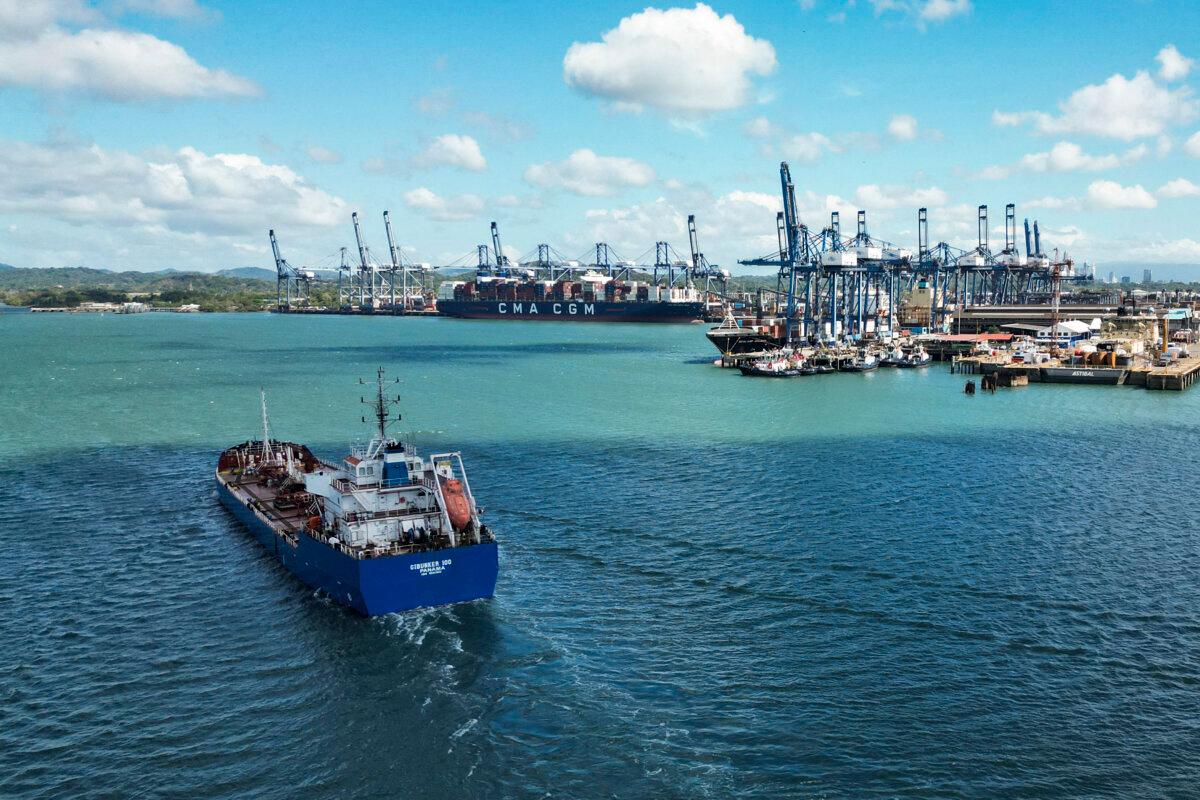
Trade infrastructure is another crucial pillar of the dollar-based global economy. That’s why the Trump administration has increased its focus on limiting Chinese influence in Panama and securing the canal as a strategic asset.The Panama Canal is one of the most important shipping routes in the world, handling a large share of global maritime commerce, including a significant portion of U.S. container traffic.
Sanctions, Iran Attacks, and Financial Power
The U.S. attacks against the Islamic regime in Iran policy is perhaps the most strident example of how the Trump administration is defending the dollar against China and leveraging its geopolitical advantage. In short, restricting Iran’s energy flows to China helps bolster the dollar and its global infrastructure.Because global banks and payment systems rely heavily on dollar-clearing networks, countries targeted by U.S. sanctions often find themselves effectively excluded from international finance.
Leveraging power against Iran is a prime example. Even before the ongoing war against Tehran, U.S. sanctions significantly restricted the country’s ability to access global banking systems and export oil through conventional financial channels.
The Dollar’s Enduring Advantage
Despite China’s efforts, the dollar remains deeply entrenched in the global economy.According to international financial data, the U.S. dollar still accounts for roughly 57 percent of global foreign-exchange reserves, far exceeding any competing currency.
That dominance reflects the powerful network effects of global trade contracts, financial markets, and banking systems that are deeply intertwined with the U.S. economy.
A Currency Contest for the 21st Century
In this sense, the struggle between the United States and China is not just a trade war or a geopolitical rivalry; it’s an all-out contest over controlling global finance.Washington’s tariffs, sanctions regimes, energy policies, and strategic control of trade routes all reinforce the current dollar-centered system.
Beijing’s tactical response includes expanding BRICS cooperation and adoption, currency diversification, digital yuan experiments, and alternative financial infrastructures to create a world in which U.S. financial dominance is no longer absolute.
Whether that vision succeeds remains uncertain. The dollar’s advantages are immense and deeply embedded in the global economy. The future of global power may increasingly hinge not just on military strength or economic output, but on which currency system the world ultimately trusts to move its money.
What's Your Reaction?
 Like
0
Like
0
 Dislike
0
Dislike
0
 Love
0
Love
0
 Funny
0
Funny
0
 Wow
0
Wow
0
 Sad
0
Sad
0
 Angry
0
Angry
0













Comments (0)