

CCP Trade Tactics Could Devastate Australian Towns, Cost 73,000 Jobs: Report
CCP Trade Tactics Could Devastate Australian Towns, Cost 73,000 Jobs: Report - The report warns Beijing spends more on dominating the refining sector than its military.


.
Small Australian towns could be eviscerated if the federal government does not take steps to curb an ongoing CCP strategy to flood global markets with cheap commodities.
That’s the message from the McKell Institute, with its latest report laying bare the consequences if Chinese mineral refining practices are allowed to continue unchecked.
McKell warns “deliberate geoeconomics interference” from Beijing could impact 73,000 Australian jobs dependent on metal manufacturing and refining—the industry directly employs around 55,000 workers.
Beijing Spends More on Dominating Mining Than Its Military
Beijing is currently spending more on subsidising its metal refining industries than it is on defence—an estimated 2 percent of GDP or $407 billion (US$265.1 billion).“Australia is experiencing the repercussions of a geoeconomics strategy by China, crafted to undermine the industrial foundations of rival economies while establishing China as the central hub of the global industrial landscape,” the report states.
By boosting its own capabilities through subsidies and saturating global markets with its own cut-price products, the Chinese Communist Party (CCP) can undermine competing sectors—forcing the eventual closure of mines and refineries.
.

This will create a cascading effect where Western democracies lose vital workers, skills, and industry sectors. Eventually, when the competition dwindles, Beijing will be dominant market leader.
“This interference is destabilising and, over time, threatens to weaken the industrial base of strategic rivals, including Australia and other regional and global economies,” the report says.
Population Loss from Aussie Towns
McKell’s Cavanough also says its not just the job losses that are an issue, smaller towns that revolve around mining or smelting operations will likely be devastated.“Our analysis shows that if the Port Pirie smelter were to close, the town’s population could drop by around 2,000 people—that’s 11 percent —in the first year alone,” he said.
“These would be the town’s most economically productive residents leaving with their families.
“South Australia simply cannot afford to lose industrial anchors such as the Port Pirie smelter—anchors that have sustained regional communities for generations.”
Australia Playing Whack-A-Mole
Like dominoes, Australian policymakers have spent recent weeks shoring up collapsing refiners and processing facilities.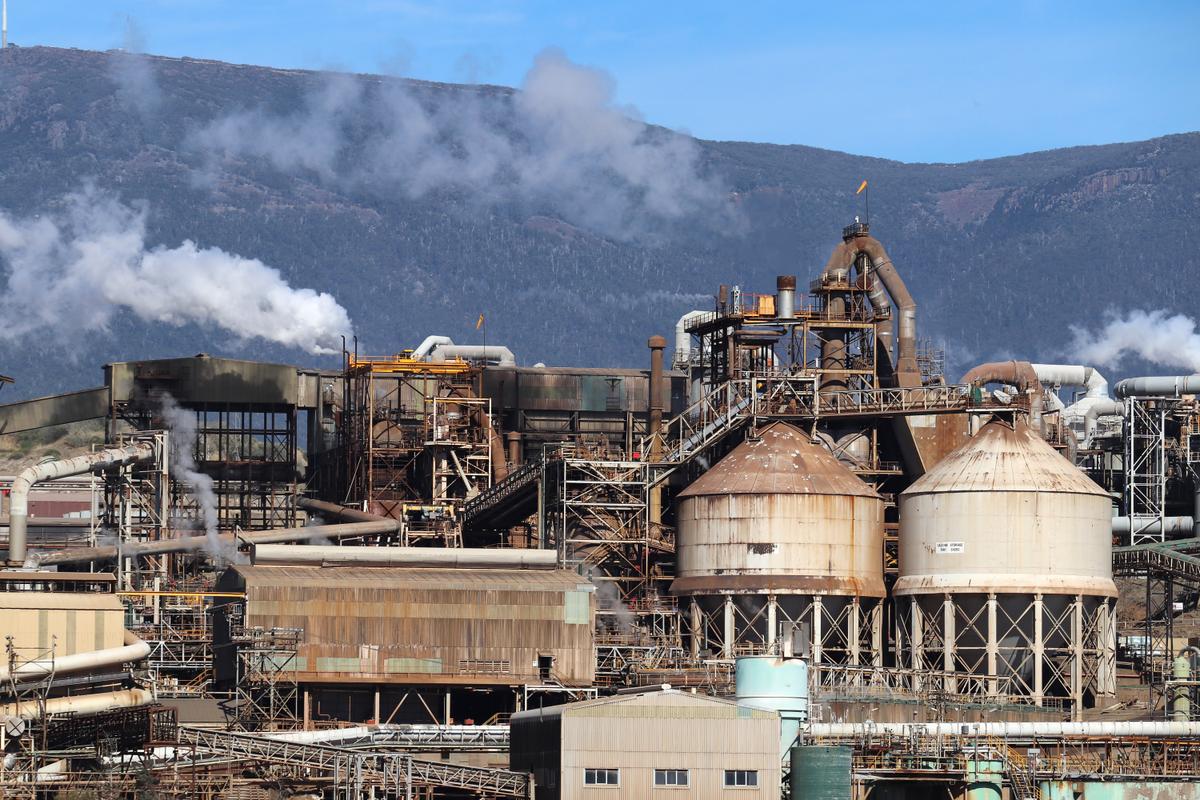
Where Australia is Falling Short
The McKell Institute says a holistic, nationwide strategy is needed from the Commonwealth government.Rather than propping up individual refineries, which the report likens to playing Whack-a-Mole, Australia should look at its anti-dumping regulations to prevent large shipments of cut-price commodities entering the market.
The report also calls on Australia to limit the amount of scrap metal it exports to other markets for recycling and reuse, noting this work could be kept onshore.
McKell also says incentives to keep refining and processing onshore are essential, with portions of the National Reconstruction Fund allocated for this purpose.
The government should consider establishing an East Coast Gas Reservation policy to keep energy costs down.
.
What's Your Reaction?
 Like
0
Like
0
 Dislike
0
Dislike
0
 Love
0
Love
0
 Funny
0
Funny
0
 Wow
0
Wow
0
 Sad
0
Sad
0
 Angry
0
Angry
0












Comments (0)