

Why Sleep Is Not Downtime: What Happens in Your Body Every Night
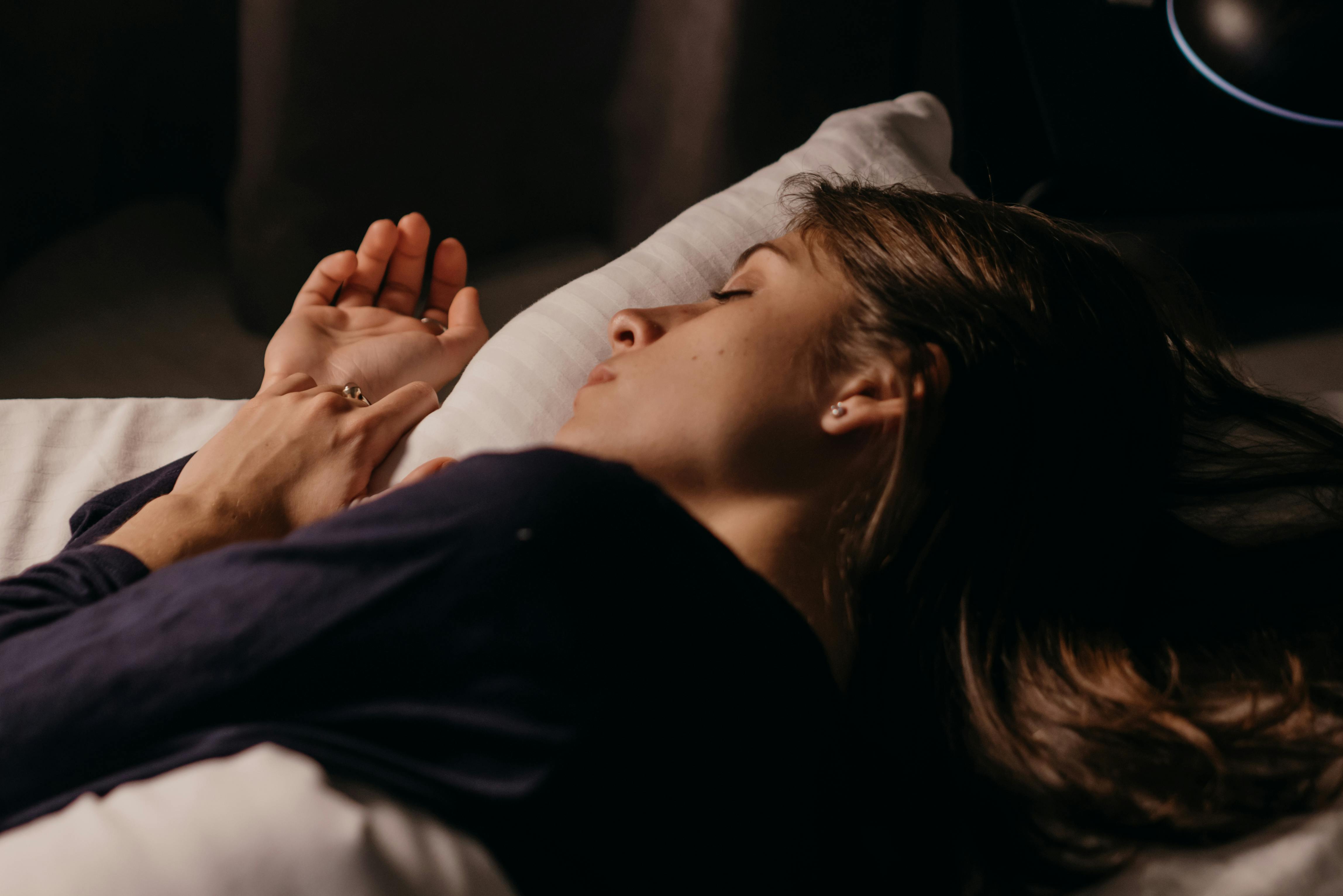
While you sleep, your body is far from idle. Your heart gets a break, your brain clears out waste, and your immune system gets time to recover. Research from U.S. health agencies links chronic lack of sleep to heart disease, diabetes, and stroke. Here is what science currently knows, how much sleep you need, and how to protect it.

.
Your Body Is at Work While You Rest
It is easy to treat sleep as lost time. Health researchers see it differently. The U.S. National Institutes of Health (NIH) describes sleep as an active period in which the body supports brain function and maintains physical health.
Two forces decide when you feel sleepy. One is your internal body clock. The other is a simple build-up: the longer you stay awake, the more a brain chemical called adenosine accumulates, and the stronger the urge to sleep becomes.
The result is a nightly routine that no pill or coffee can fully replace.
.
The Heart: A Nightly Chance to Heal
According to the NIH, sleep is involved in the healing and repair of the heart and blood vessels. Ongoing sleep deficiency is linked to a higher risk of heart disease, high blood pressure, kidney disease, diabetes, and stroke.
Researchers are still uncovering why. In a 2019 study funded by the National Heart, Lung, and Blood Institute (NHLBI), scientists found that healthy sleep helps keep inflammation in check. In mice whose sleep was repeatedly disrupted, the animals developed larger deposits in their arteries and produced twice as many inflammatory cells as well-rested mice.
A 2024 NHLBI-funded study pointed in the same direction. After a heart attack, the heart appears to signal the brain to increase sleep, which may reduce inflammation in the heart. Researchers noted that these results come mainly from mice and a small group of patients, and that more clinical studies are needed.
.
The Brain: A Built-In Cleaning System
Your brain has its own waste-removal system, known as the glymphatic system. In a landmark 2013 study published in Science, researchers at the University of Rochester found that it is far more active during sleep. In mice, it was almost ten times more active than during wakefulness.
During sleep, brain cells shrink, which opens up space for fluid to wash waste away. This waste includes amyloid-beta, a protein associated with Alzheimer's disease. Sleeping mice cleared it noticeably faster than awake ones.
There is an important caveat. Most of this work was done in animals. Scientists say data are beginning to show that the system also exists in humans, but its exact role in people is still being studied.
.
Weight, Immunity, and Everyday Function
Sleep also affects the rest of the body. The NIH notes that sleep deficiency increases the risk of obesity. The immune system also relies on sleep to stay healthy, and long-term sleep loss can change how it responds to threats.
Many people underestimate the effect on themselves. NIH-affiliated health information points out that people with limited or poor-quality sleep often still believe they function well. In other words, tired people are not reliable judges of how tired they are.
.
How Much Sleep Do You Need?
The U.S. Centers for Disease Control and Prevention (CDC) and the American Academy of Sleep Medicine (AASM) give similar guidance:
- Adults: at least 7 hours per night
- Teenagers (13–18): 8 to 10 hours
- School-age children (6–12): 9 to 12 hours
These are general guidelines, and individual needs vary. Still, many people fall short. U.S. data suggest that more than a third of adults regularly sleep less than seven hours.
.
Simple Habits That Support Better Sleep
Sleep specialists generally agree on a few basics. None of them requires special equipment.
- Keep a regular schedule. Going to bed and getting up at similar times each day helps your body clock.
- Protect your bedroom. A dark, quiet, comfortably cool room helps. Use the bed mainly for sleep.
- Wind down. Dim the lights and put screens away before bed.
- Watch late caffeine and heavy evening meals. Both can make it harder to fall asleep.
Lifestyle changes are not a cure-all. Long-lasting insomnia, loud snoring, or pauses in breathing during sleep can point to a sleep disorder. These deserve a doctor's evaluation. Over-the-counter and prescription sleep medications also carry side effects and should be used with medical guidance.
.
Outlook
Sleep research is moving quickly. Scientists are still working out how the brain's cleaning system works in humans and how sleep and heart health influence each other. What is already clear is that sleep is not a luxury. It is one of the basic conditions for a healthy body, and protecting it costs far less than treating the problems that come from neglecting it.
.
Sources
- National Heart, Lung, and Blood Institute (NIH): "Study helps solve mystery of how sleep protects against heart disease" (2019). https://www.nhlbi.nih.gov/news/2019/study-helps-solve-mystery-how-sleep-protects-against-heart-disease
- National Heart, Lung, and Blood Institute (NIH): "Heart sends signals to brain to increase sleep following a heart attack, study finds" (2024). https://www.nhlbi.nih.gov/news/2024/heart-sends-signals-brain-increase-sleep-following-heart-attack-study-finds
- NIH Wellness: "Why Is Sleep Important?" (citing NHLBI). https://wellnessatnih.ors.od.nih.gov/news/Pages/Why-Is-Sleep-Important.aspx
- NIH Record: "Chronic Sleep Deficiency Can Lead to Long-Term Health Problems" (2017). https://nihrecord.nih.gov/2017/03/10/chronic-sleep-deficiency-can-lead-long-term-health-problems
- University of Rochester Medical Center: "To Sleep, Perchance to Clean" (2013). https://www.urmc.rochester.edu/news./story/to-sleep-perchance-to-clean
- MDedge / Neurology Reviews: "Glymphatic System May Play Key Role in Removing Brain Waste" (2016). https://mdedge.com/content/glymphatic-system-may-play-key-role-removing-brain-waste
- CDC, Morbidity and Mortality Weekly Report: "Sleep Awareness Week, April 23–29, 2017". https://www.cdc.gov/mmwr/volumes/66/wr/mm6615a6.htm
- American Academy of Sleep Medicine: "How Much Sleep Do I Really Need?" https://sleepeducation.org/how-much-sleep-do-i-really-need/
.
What's Your Reaction?
 Like
0
 Dislike
0
 Love
0
 Funny
0
 Wow
0
 Sad
0
 Angry
0















Comments (0)