

China Courts the Gulf as a “Peacemaker” While the US–Iran Standoff Drags On
Beijing used a busy Monday to present itself as a mediator in the Middle East. Xi Jinping hosted Oman’s sultan, and Foreign Minister Wang Yi met a senior Iranian security official. Both said the Gulf must not become an arena for great-power rivalry. The talk of “peace” comes while Washington and Tehran remain deadlocked over the Strait of Hormuz and Iran’s nuclear program.


.
A first for Oman, a showcase for Beijing
Sultan Haitham bin Tariq of Oman arrived in Beijing on Sunday for a two-day state visit. It is the first trip to China by an Omani head of state since the two countries established diplomatic ties in 1978.
On Monday, Xi told the sultan that the Gulf region should not become a stage for rivalry between major powers. Chinese state media reported that Xi also pledged to work with Arab states, including the Gulf Cooperation Council members, toward lasting stability. The two sides issued a 20-point joint statement. In it, they called for safe shipping to resume in the Strait of Hormuz and urged Washington and Tehran to return to dialogue.
Oman signaled interest in a preferential trade and investment agreement with China, its largest trading partner. They also agreed to deepen cooperation in oil and gas and to expand work on solar, wind and energy storage.
Wang Yi talks to Tehran
In a separate meeting in Beijing, Wang Yi received Ali Bagheri Kani, deputy secretary of Iran's Supreme National Security Council. According to Chinese state media, Wang urged all sides to choose political solutions over weapons. He also said China supports Iran in defending its sovereignty and security.
China's Foreign Ministry also announced that its Middle East envoy, Zhai Jun, will travel to Iran, Oman and Saudi Arabia this month.
Where the US–Iran conflict stands
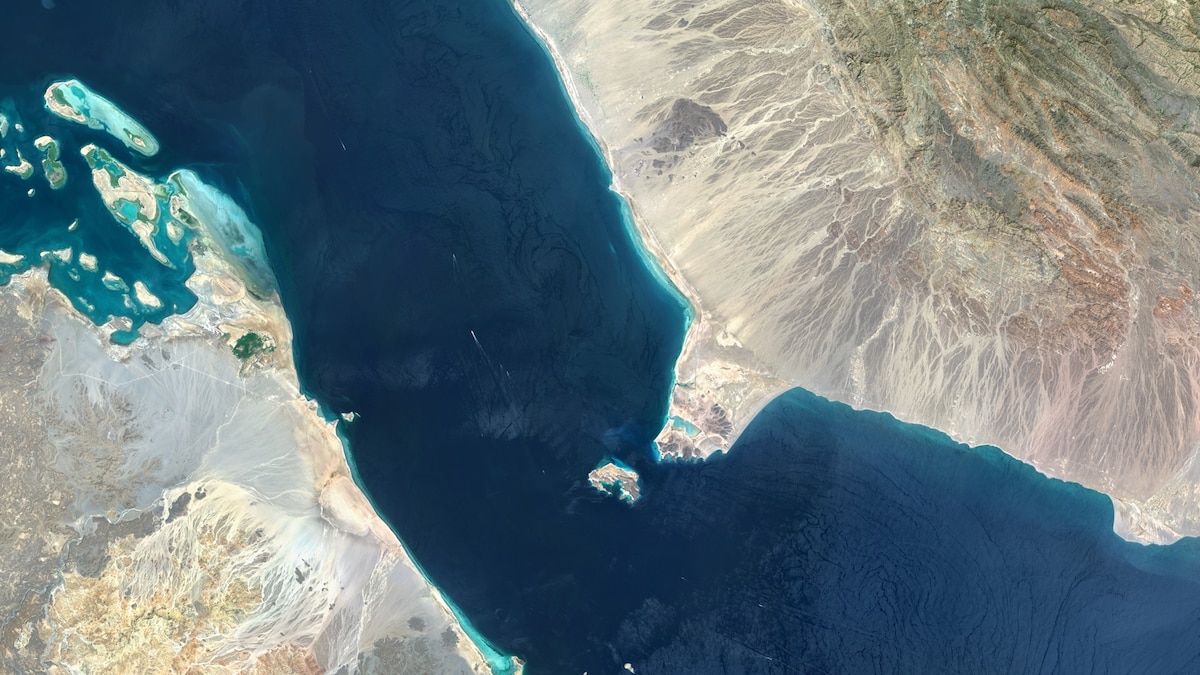
The context matters. A war between the United States, Israel and Iran has disrupted shipping through the Strait of Hormuz, a narrow waterway that carries a large share of the world's oil. In June, Washington and Tehran announced an interim deal. It was meant to reopen the strait and start 60 days of talks on Iran's nuclear program.
The agreement later unraveled over disagreements, including control of the strait. President Trump declared it "over" on July 7, and Iran's Foreign Ministry said a week later that it had been suspended. In August, Trump said no talks were planned and insisted the strait remained open. At the same time, Iran and Oman were discussing how to manage the waterway, and Trump had threatened to bomb Oman if it interfered.
In late September, Trump rejected Iran's latest proposal. It would have reopened the strait and restarted nuclear talks if the US lifted its naval blockade and oil sanctions. The administration is demanding nuclear concessions from Iran. That is the firm line the White House has held: no deal that leaves Iran on the path to a nuclear weapon.
Peacemaker or opportunist?
Beijing's message sounds neutral, but its choice of words deserves a closer look. Warning against "great-power rivalry" is aimed mainly at the United States. Pledging support for Iran's "security" while Tehran keeps the strait under pressure is hardly even-handed. China is also a major buyer of Gulf energy, so a reopened Hormuz serves its own economic interests.
Analysts have long questioned how far China's role goes beyond diplomacy. A 2024 Foreign Policy analysis argued that, despite decades of investment in the region, Beijing's main regional aim remains weakening the United States. China has also brokered little in practice beyond the 2023 Saudi–Iranian détente. The Chinese Communist Party, which suppresses dissent at home, presents itself abroad as a champion of "sovereignty" and "peaceful dialogue."
Outlook
Zhai Jun's trip to Tehran, Muscat and Riyadh will show whether Beijing has any real leverage or only wants the spotlight. Meanwhile, the key decisions on Hormuz and Iran's nuclear program still rest with Washington and Tehran. Oman, a longtime go-between, has just gained a powerful new partner. How much influence that gives it remains to be seen.
.
Sources
- Reuters – "China's foreign minister pushes dialogue to resolve Middle East conflict" (2 Nov 2026): https://www.reuters.com/world/china/chinas-foreign-minister-pushes-dialogue-resolve-middle-east-conflict-2026-11-02/
- Reuters – "China's Xi says Middle East should not become battleground for great power rivalry" (2 Nov 2026): https://www.reuters.com/world/china/deeper-china-oman-ties-strategic-both-sides-xi-says-2026-11-02/
- China Daily / Xinhua – "Xi holds talks with Sultan of Oman" (2 Nov 2026): http://europe.chinadaily.com.cn/a/202611/02/WS6ae80184e4b06d4aa0566718.html
- Anadolu Agency – "Oman's Sultan to visit China" (30 Oct 2026): https://www.aa.com.tr/en/asia-pacific/omans-sultan-to-visit-china/4106742
- Madhyamam – "Iran says Strait of Hormuz will remain closed until US fulfils June commitments": https://madhyamamonline.com/amp/middle-east/iran-says-strait-of-hormuz-will-remain-closed-until-us-fulfils-june-commitments-1556234
- Al Jazeera – "Trump says no talks planned with Iran amid anger over Iran-Oman Hormuz deal" (18 Aug 2026): https://www.aljazeera.com/news/2026/8/18/no-talks-with-iran-says-trump-as-us-president-stews-over-hormuz-deal
- Axios – "After nixing Iran proposal, Trump tells Axios he expects talks this week" (27 Sep 2026): https://www.axios.com/2026/09/27/trump-iran-war-hormuz-blockade-negotiations
- Foreign Policy – analysis on China's Middle East role (2024): https://foreignpolicy.com/?p=1137213
.
What's Your Reaction?
 Like
0
 Dislike
0
 Love
0
 Funny
0
 Wow
0
 Sad
0
 Angry
0






Comments (0)