Chamomile for Stress and Sleep: What Science Really Says About the Ancient Calming Herb
Chamomile has been used as a calming remedy for thousands of years, and tea is its best-known form. Recent studies suggest it may ease anxiety and help people stay asleep. The evidence is still mixed, though, and chamomile is not a cure for insomnia or anxiety disorders. This article explains what research shows, how to use the herb, and who should be careful.

.
An Old Remedy Under Modern Scrutiny
Chamomile was described in ancient medical writings from China, Egypt, Greece and Rome. Generations of parents have given it to restless children. Beatrix Potter's Peter Rabbit even gets a dose of it after his escape from Mr. McGregor's garden.
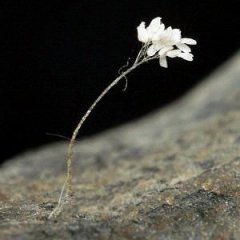
Two plants are mainly used. German chamomile and Roman chamomile are the two main types. Most studies and the U.S. National Institutes of Health fact sheet focus on German chamomile.
The dried flower heads are what matter. They contain many terpenoids and flavonoids (plant compounds), which are thought to give the herb its medicinal properties.
How Chamomile Might Calm the Nervous System
One compound in chamomile has drawn particular attention: apigenin, a plant flavonoid. In a 1995 laboratory study, researchers isolated apigenin from chamomile flowers and found that it binds to the same brain receptor that benzodiazepines (prescription sedatives) act on. The study reported mild anti-anxiety and slightly sedating effects.
The picture is more complicated than that. Researchers say the exact way chamomile reduces anxiety is not well understood. Apigenin may also influence the body's stress-hormone system. Most of this work comes from lab and animal studies. It does not prove that a cup of tea acts like a sedative drug.
Anxiety: Promising, but Not Settled
Anxiety is extremely common. The World Health Organization reports that anxiety disorders affected 359 million people in 2021, making them the world's most common mental disorders.
A 2024 review looked at ten clinical trials of chamomile taken by mouth. Together the trials included 844 people. Nine of the ten concluded that chamomile reduced anxiety. The authors noted that medications for anxiety can cause side effects, and they described chamomile as potentially effective and less risky. One randomized trial of people with generalized anxiety disorder found fewer symptoms with 500 mg of chamomile taken three times a day than with a placebo.
Not every expert is convinced. The U.S. National Center for Complementary and Integrative Health (NCCIH) says studies so far have not produced enough reliable evidence to rate chamomile's clinical usefulness. A 2025 review also pointed to trials with clearly positive results and others with no remarkable effect. Many studies used concentrated extracts, which are not the same as tea.
Sleep: A Gentle Helper, Not a Cure
A 2024 meta-analysis (a study that pools results from many trials) examined chamomile and sleep. It covered ten studies with 772 participants. Chamomile improved overall sleep quality scores, and three of four studies found people fell asleep more easily. The reviewers concluded that it helped most with staying asleep and with fewer awakenings.
The limits matter just as much. Chamomile did not lengthen sleep, improve sleep efficiency or reduce daytime fatigue. Only one study checked the purity or strength of the products used. An earlier meta-analysis found that chamomile improved sleep quality, but there was little evidence for an effect on insomnia itself.
In short, chamomile may help you unwind and sleep a little more soundly. People with chronic sleeplessness should talk to a doctor.
How to Use Chamomile
Chamomile tea is the simplest option. A typical recipe is about two teaspoons of dried flowers per cup of hot water, steeped covered for several minutes. A guide from Mount Sinai Hospital in New York suggests drinking three to four cups between meals. Chamomile is also sold as tinctures (liquid extracts), capsules, creams and essential oils. Adding a few drops of the oil to a warm bath or a diffuser is a common way to use it for relaxation.
If you give chamomile tea to a child, do not sweeten it with honey before the child's first birthday. Honey is unsafe for infants under 12 months.
Who Should Be Careful
The NCCIH considers chamomile likely safe in the amounts found in tea. That does not mean it suits everyone.
- Allergies: People allergic to related plants such as ragweed, chrysanthemums, marigolds or daisies are more likely to react to chamomile.
- Medications: Interactions have been reported with warfarin (a blood thinner) and with some drugs processed by the liver. Chamomile might also interact with sedatives. One integrative-medicine physician suggested that people on blood thinners limit themselves to three cups a day.
- Hormones and pregnancy: Chamomile may have mild estrogen-like effects. Little is known about its safety during pregnancy or breastfeeding.
Anyone who takes regular medication should ask a doctor or pharmacist before using chamomile in medicinal amounts.
Outlook
Chamomile will not replace professional care for anxiety disorders or serious sleep problems. For everyday stress and restless evenings, a warm cup of tea is a low-risk ritual with a long track record, and a growing body of research suggests there may be more to it than tradition. Larger, better-controlled trials with standardized products are still needed to say how much.
.
This article is for general information and does not replace medical advice.
.
Sources
- National Center for Complementary and Integrative Health (NIH): "Chamomile" – https://www.nccih.nih.gov/health/chamomile
- World Health Organization: "Anxiety disorders" (fact sheet, Sept. 2025) – https://www.who.int/news-room/fact-sheets/detail/anxiety-disorders
- Saadatmand S., Zohroudi F., Tangestani H.: "The Effect of Oral Chamomile on Anxiety: A Systematic Review of Clinical Trials," Clinical Nutrition Research, 2024 – https://pmc.ncbi.nlm.nih.gov/articles/PMC11109927/
- Kazemi A. et al.: "Effects of chamomile (Matricaria chamomilla L.) on sleep: A systematic review and meta-analysis of clinical trials," Complementary Therapies in Medicine, 2024 – https://pubmed.ncbi.nlm.nih.gov/39106912/
- "Therapeutic efficacy and safety of chamomile for state anxiety, generalized anxiety disorder, insomnia, and sleep quality: a systematic review and meta-analysis," Phytotherapy Research, 2019 – https://pubmed.ncbi.nlm.nih.gov/31006899/
- Viola H. et al.: "Apigenin, a Component of Matricaria recutita Flowers, Is a Central Benzodiazepine Receptors-Ligand with Anxiolytic Effects," Planta Medica, 1995 – https://www.thieme-connect.com/products/all/doi/10.1055/s-2006-958058
- Pasban A. et al.: "The Effect of Chamomile on Common Psychological Disorders… A Narrative Review," Iranian Journal of Psychiatry and Behavioral Sciences, 2025 – https://brieflands.com/journals/ijpbs/articles/157547
- HealthDay: "What Is Chamomile Good For? Benefits, Side Effects & Drug Interactions" – https://www.healthday.com/a-to-z-health/alternative-medicine/what-is-chamomile-good-for-benefits-side-effects-drug-interactions
- Srivastava J.K., Shankar E., Gupta S.: "Chamomile: A herbal medicine of the past with a bright future," Molecular Medicine Reports – https://typeset.io/pdf/chamomile-a-herbal-medicine-of-the-past-with-a-bright-future-1bmvuz8t6y.pdf
.
What's Your Reaction?
 Like
0
 Dislike
0
 Love
0
 Funny
0
 Wow
0
 Sad
0
 Angry
0












Comments (0)