

Why a Rosy Glow and Shiny Hair Say More About Your Health Than You Think
A bright complexion, strong hair, and steady energy are not just cosmetic traits — they can be early signals of how well the body is nourished and oxygenated. New global health data show that millions of women, often unknowingly, are dealing with the opposite: pale skin, fatigue, and hair loss caused by low blood iron levels.

.
A Global Health Problem Hiding in Plain Sight
Tiredness, brittle nails, and dull skin are often dismissed as side effects of a busy life. But according to the World Health Organization's newest global anaemia estimates, published in 2025, these symptoms affect a striking share of women worldwide.
The report found that women in the WHO African and South-East Asia regions together account for more than 60 percent of the global burden of anaemia among women of reproductive age. It also noted that prevalence in non-pregnant women has been rising since 2012, and that only 18 countries — roughly one in ten worldwide — are on track to meet the global target of reducing anaemia rates by 2030.
In other words, a "healthy glow" is not simply a beauty ideal. It reflects something measurable: whether the body has enough healthy blood to carry oxygen to every organ, muscle, and strand of hair.
What Traditional Chinese Medicine Calls "Blood Deficiency"
Long before modern blood tests existed, Traditional Chinese Medicine (TCM) practitioners observed that certain outward signs — pale lips, thinning hair, irregular periods, poor sleep — tended to appear together. They attributed this pattern to weakened "qi" (vital energy) and "blood," two concepts considered inseparable in TCM theory: qi is said to drive circulation, while blood nourishes tissue and skin.
It's important to note that TCM blood deficiency is not identical to the medical diagnosis of anaemia. Blood deficiency is a broader, symptom-based pattern used in TCM, while anaemia is confirmed through laboratory blood tests. However, the two frequently describe overlapping territory, and many of the visible signs match what Western medicine associates with iron-deficiency anaemia — the most common nutritional deficiency in the world today.
Women are disproportionately affected in both frameworks. Menstruation, pregnancy, and childbirth all increase the body's iron and blood demands, which is one reason global data consistently show higher anaemia rates among women of reproductive age than among men.
Signs Worth Paying Attention To
Medical sources point to a consistent set of physical warning signs, many of which mirror what TCM practitioners have described for centuries:
- Pale inner eyelids or palms. A 2023 clinical review cited by health researchers found that pallor inside the eyelids or in the creases of the palms is a fairly reliable physical indicator of anaemia.
- Pale or yellowish skin tone, especially noticeable in the face and ears.
- Brittle nails, which in more severe or long-term iron deficiency can develop a spoon-like shape (koilonychia).
- Hair thinning or increased shedding, since red blood cells deliver the oxygen hair follicles need to function.
- Fatigue, shortness of breath, and dizziness, which are the most common general symptoms of anaemia, according to the Mayo Clinic and Cleveland Clinic.
According to a 2023 literature review on iron deficiency and mental health, low iron levels have also been linked to low mood, anxiety, and poor concentration — symptoms sometimes misattributed to unrelated causes.
Why It Happens
Health authorities including the U.S. National Heart, Lung, and Blood Institute (NHLBI) and the Mayo Clinic identify several common causes of iron-deficiency anaemia:
- Blood loss, most often from heavy menstrual periods, or slower internal bleeding from conditions such as ulcers or colon polyps.
- Inadequate dietary iron, vitamin B12, or folate, particularly common in vegetarian or vegan diets without careful planning.
- Poor absorption, seen in conditions like celiac disease or after certain weight-loss surgeries.
- Increased demand, such as during pregnancy.
TCM adds another layer of explanation rooted in lifestyle: insufficient sleep, especially missing deep rest between 1 a.m. and 3 a.m., is traditionally believed to impair the body's ability to replenish blood — a claim that, while not clinically proven in isolation, aligns with modern research linking chronic sleep deprivation to broader metabolic and hormonal disruption.
Rebuilding From the Inside: Diet and Digestion First
Both traditions agree that nutrition is the foundation of healthy blood. Modern dietitians recommend combining two types of iron:
- Heme iron, found in red meat, poultry, and organ meats, which the body absorbs efficiently.
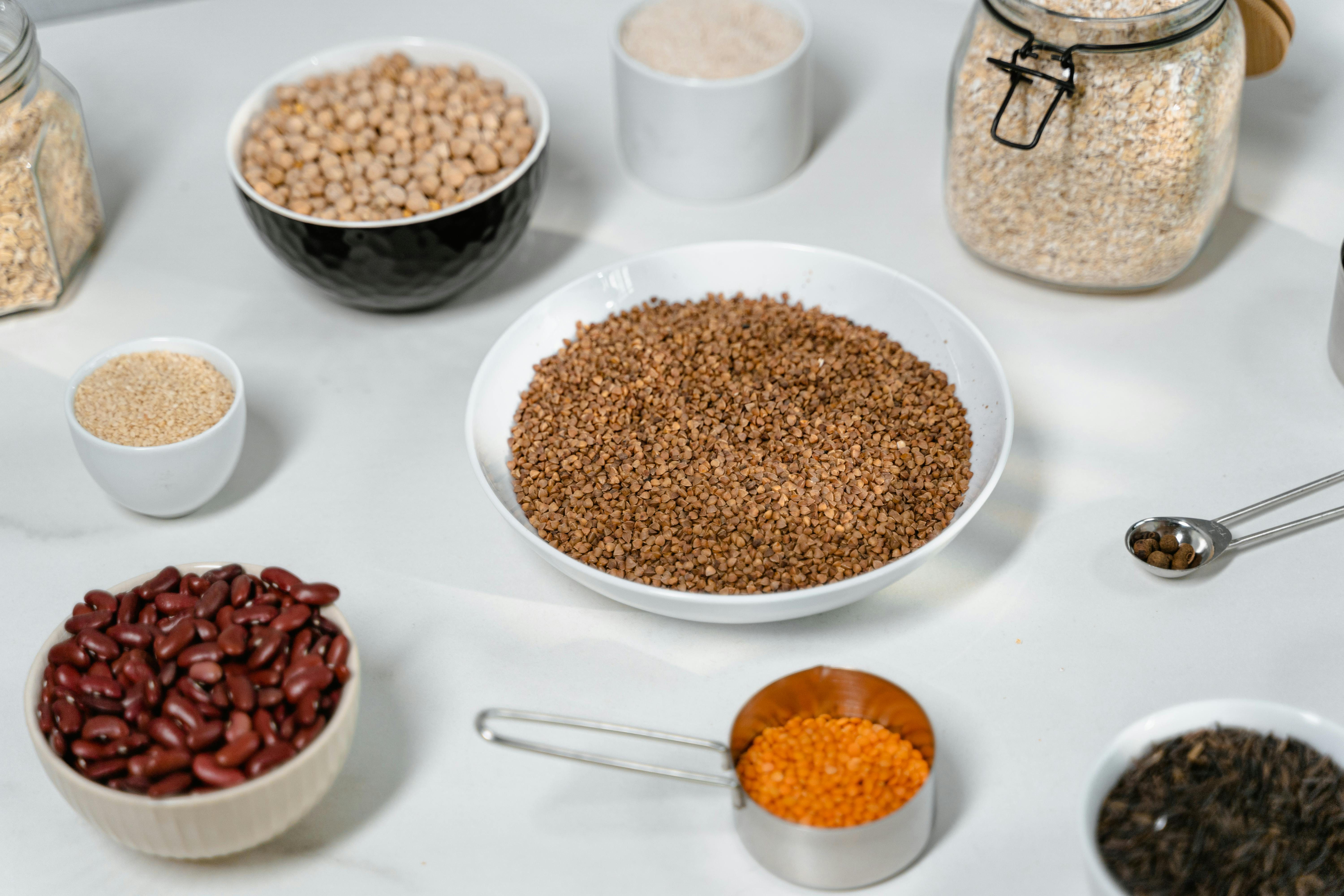
- Non-heme iron, found in lentils, beans, spinach, and fortified grains, which absorbs less efficiently but can be boosted by pairing it with vitamin C-rich foods such as citrus fruit or bell peppers.
Vitamin B12, mainly found in animal products, and folate, abundant in dark leafy greens, are equally essential for producing healthy red blood cells. The Cleveland Clinic notes that people following vegetarian or vegan diets should pay particular attention to B12 intake, since deficiency is a known contributor to fatigue and anaemia.
TCM adds a complementary perspective: even the best nutrients are of limited use if digestion is weak. In this view, the spleen and stomach are the body's foundation for transforming food into usable energy and blood — which is why TCM treatment often starts by supporting digestion before attempting to build blood directly.
Movement Matters, Too
Exercise doesn't just burn calories — it also supports circulation and, according to TCM theory, stimulates the meridians associated with digestion. Simple, low-impact movements such as slow-paced jogging, calf raises, or core-strengthening exercises like sit-ups are traditionally recommended to support this process gently, without over-exerting a body that may already be low on energy.
From a modern medical standpoint, regular moderate movement is also known to support healthy circulation and cardiovascular function — both relevant when the body is working to rebuild its blood supply.
The Outlook: A Preventable, Widespread Condition
Anaemia is not a niche concern. The WHO's 2025 global report frames it as a persistent public health challenge, one that will not be resolved by 2030 without significant policy and nutritional intervention in the hardest-hit regions.
For most people, however, the practical takeaway is simpler: fatigue, pale skin, hair loss, and brittle nails are not "just aging" or "just stress" — they are signals worth investigating rather than ignoring. Whether interpreted through the lens of Traditional Chinese Medicine or modern hematology, the message converges on the same point: sustainable energy, resilience, and a healthy glow begin with what — and how well — the body is nourished.
This article is intended for general health information and is not a substitute for personal medical advice. Anyone experiencing persistent fatigue, pale skin, or other symptoms described above should consult a qualified healthcare professional for proper diagnosis and treatment.
.
Sources
- WHO Global Anaemia Estimates: Key Findings, 2025 — https://www.who.int/publications/i/item/9789240113930
- WHO – Anaemia in Women and Children (Global Health Observatory) — https://www.who.int/data/gho/data/themes/topics/anaemia_in_women_and_children
- National Heart, Lung, and Blood Institute (NIH) – Iron-Deficiency Anemia — https://www.nhlbi.nih.gov/health/anemia/iron-deficiency-anemia
- Mayo Clinic – Iron Deficiency Anemia: Symptoms & Causes — https://www.mayoclinic.org/diseases-conditions/iron-deficiency-anemia/symptoms-causes/syc-20355034
- Cleveland Clinic – Iron-Deficiency Anemia: Symptoms, Causes & Treatment — https://my.clevelandclinic.org/health/diseases/22824-iron-deficiency-anemia
- Johns Hopkins Medicine – Iron-Deficiency Anemia — https://www.hopkinsmedicine.org/health/conditions-and-diseases/irondeficiency-anemia
- NCBI/PMC – Psychiatric Manifestations of Iron Deficiency Anemia: A Literature Review (2023) — https://www.ncbi.nlm.nih.gov/pmc/articles/PMC10595923/
.
What's Your Reaction?
 Like
0
Like
0
 Dislike
0
Dislike
0
 Love
0
Love
0
 Funny
0
Funny
0
 Wow
0
Wow
0
 Sad
0
Sad
0
 Angry
0
Angry
0













Comments (0)