

US Ambassador to China Signals US Won’t Capitulate to Beijing on Taiwan Policy


.
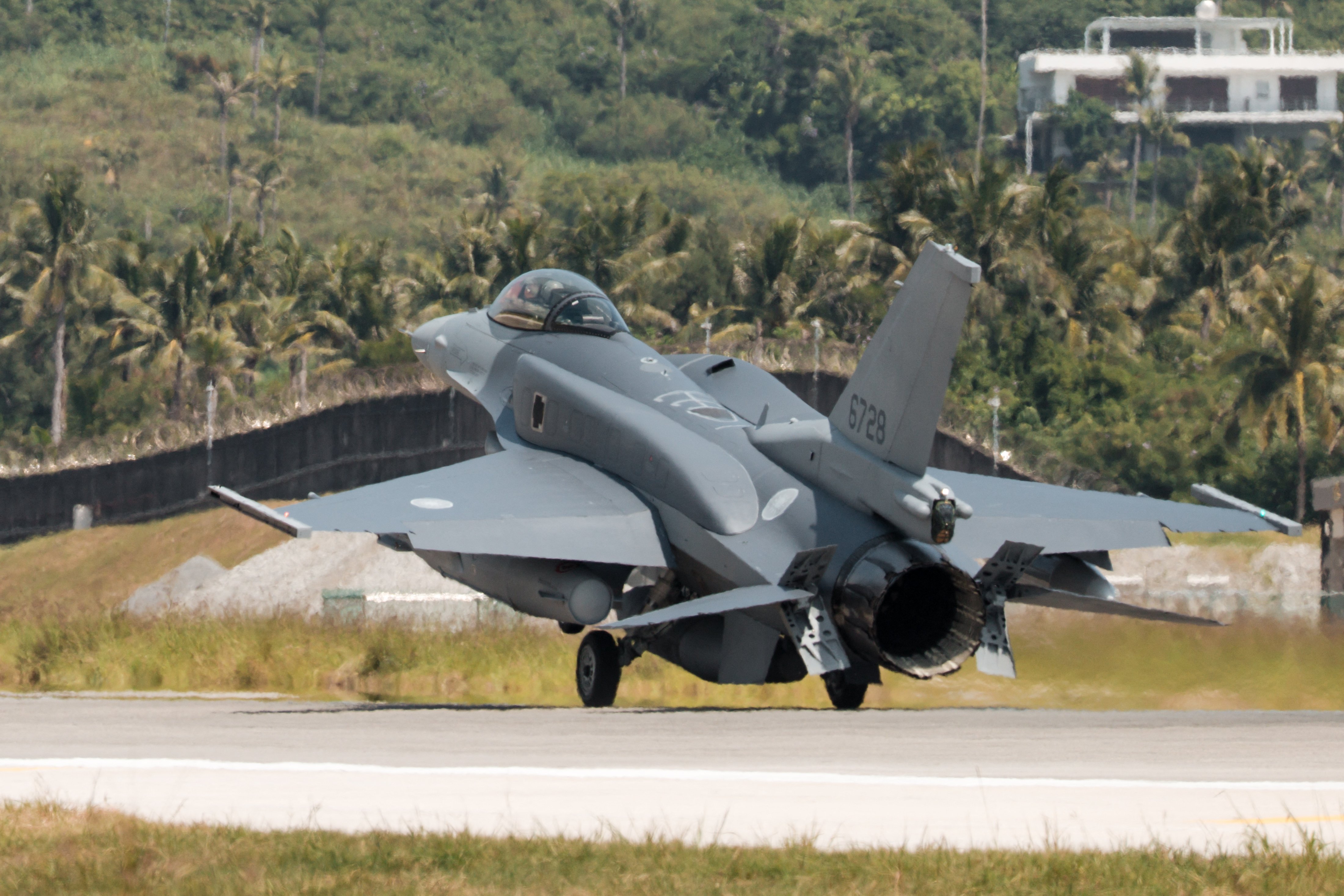
U.S. Ambassador to China David Perdue reiterated in an Oct. 1 media appearance that U.S. policy on Taiwan hasn’t changed, following reports that Chinese Communist Party (CCP) leader Xi Jinping urged President Donald Trump to reject Taiwan independence.
The United States’ approach to Taiwan has been one of “strategic ambiguity,” neither recognizing the Chinese regime’s claim to sovereignty over Taiwan nor cutting off relations with the democratically self-governed island nation.
Xi has been vocal about his goal of seizing Taiwan by force if necessary, giving the Chinese military orders to be capable of doing so by 2027.
The request will reportedly come up during upcoming U.S.–China trade talks, which are happening at the highest level.
China is the biggest buyer of U.S. soybeans, and U.S. farmers have reported a record harvest this year. But amid the trade war, China has not made a single purchase from the United States, instead buying record numbers from Brazil, and now Argentina.
Beijing made similar moves during the 2018 trade war, cutting off soybean purchases from the United States. Though it resumed purchases after that year, they never rebounded to previous record levels, as China sought to diversify its supply.
In August, a Chinese representative met with stakeholders from the U.S. soybean industry, but instead of pledging to make any purchases urged farmers to play a part in lobbying to end the trade war.
“This is the one president that I’ve seen in my lifetime [who] has the ability to hit him in the face and yet turn around, put an arm around him, and we begin to negotiate,” Perdue said.
Perdue said that when it comes to Beijing’s unhappiness with U.S. policy, “I tell the Chinese all the time, this is their fault.”
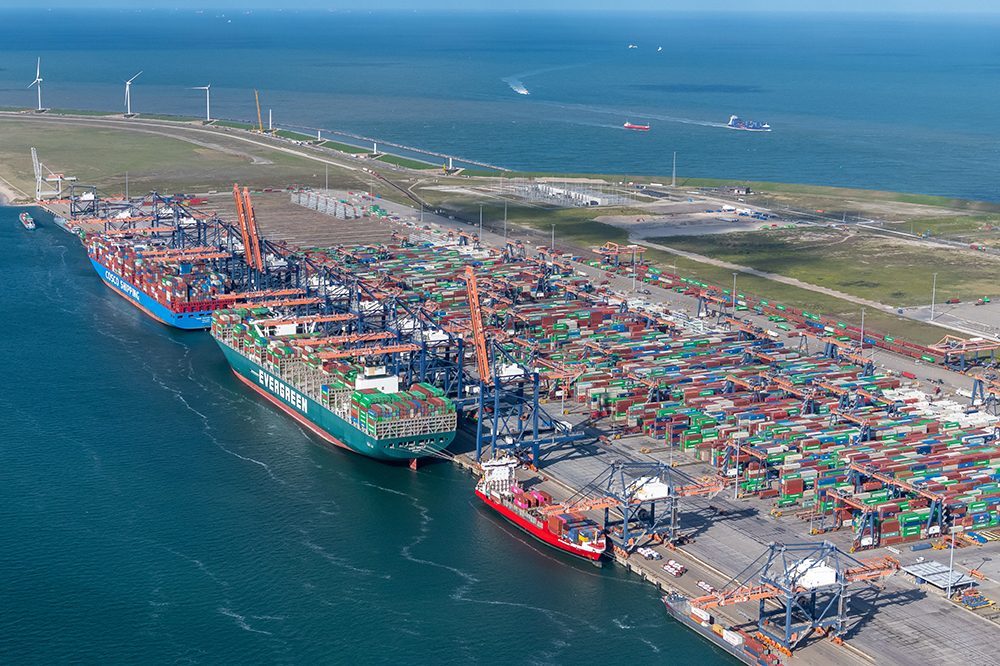
“What they’ve done is [they’ve] pushed America too far, and the Americans are reacting to it. They don’t like that these industries have been hollowed out. They don’t like that [China’s] in our power grid. They don’t like that they’re in our ports,” he said.
Perdue said U.S.–China communication has increased, noting meetings and communication between several Cabinet members and Chinese officials, as well as the recent House delegation visit to China.
“If China wants to really be a partner in turning the future of the world order, we'd like to see them be more responsible,” Perdue said.
.
What's Your Reaction?
 Like
0
Like
0
 Dislike
0
Dislike
0
 Love
0
Love
0
 Funny
0
Funny
0
 Wow
0
Wow
0
 Sad
0
Sad
0
 Angry
0
Angry
0














Comments (0)