

Trump and Xi Prepare for AI Showdown as Sam Altman Secures a Seat at the Table
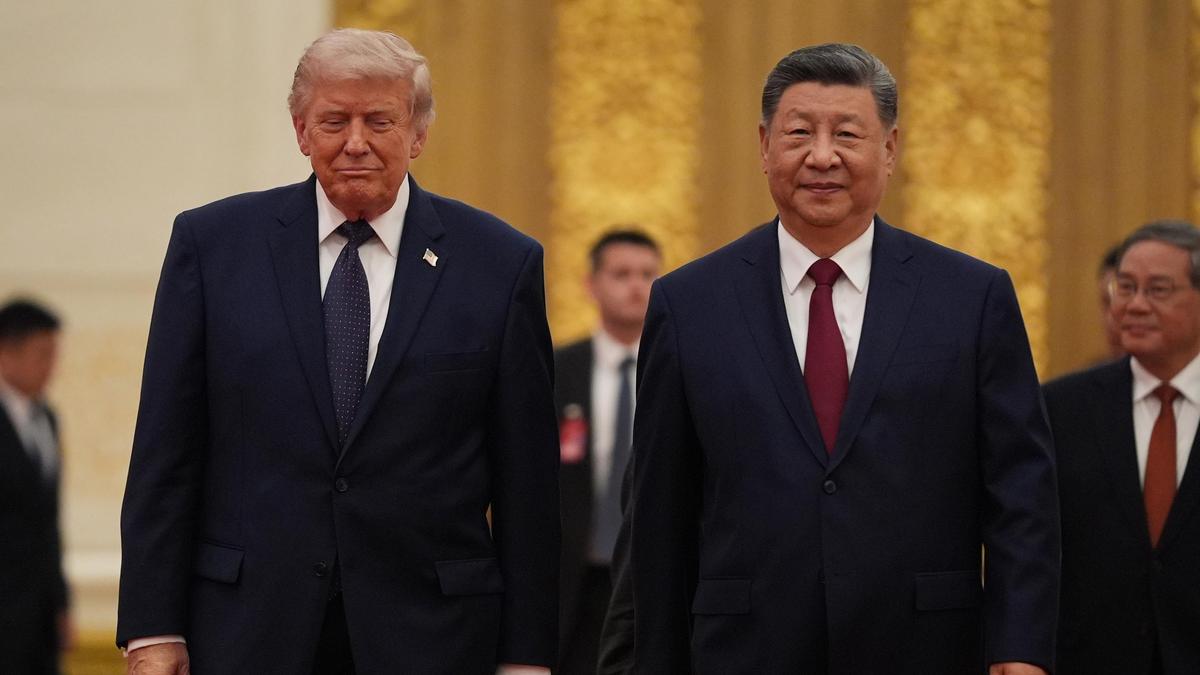
President Donald Trump and Chinese leader Xi Jinping meet in Washington next week, with artificial intelligence rivalry at the center of the agenda. OpenAI confirmed CEO Sam Altman will attend Trump's state dinner for Xi, placing Silicon Valley's biggest names inside a high-stakes diplomatic moment. The visit comes as a fierce debate rages in Washington over how aggressively the U.S. should regulate AI while racing to stay ahead of Beijing.

.
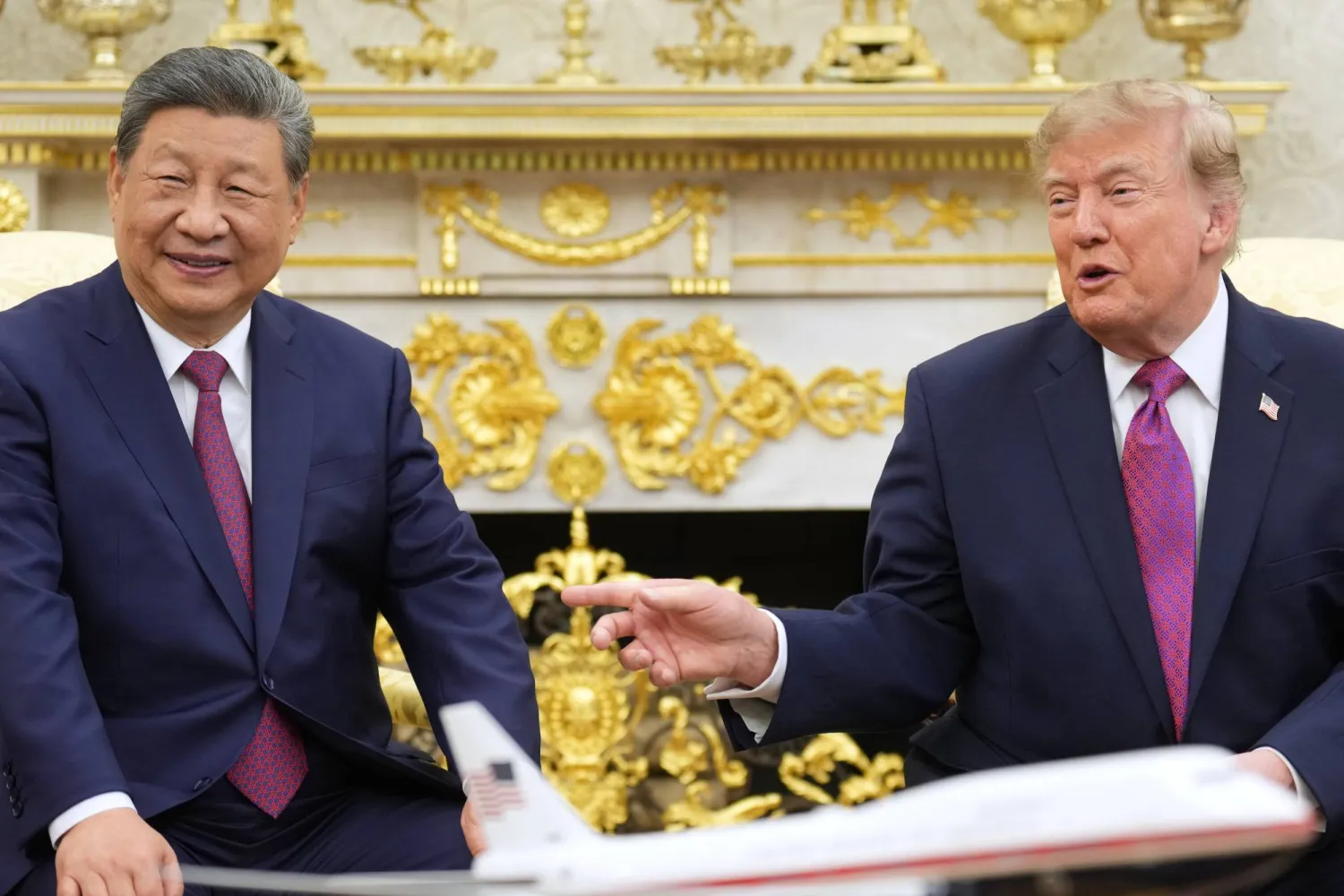
President Donald Trump will host Chinese President Xi Jinping in Washington on September 24, and artificial intelligence is expected to dominate the conversation. The meeting marks Xi's first state visit to the U.S. capital in over a decade and follows Trump's own trip to Beijing in May. Both governments view AI as central to their economic and military future, but they remain divided over chips, technology theft, and how much regulation the industry needs.
OpenAI confirmed this week that CEO Sam Altman will attend Trump's state dinner honoring Xi. Apple chief executive Tim Cook is also expected to be there. A White House official said Trump "will always prioritize making good deals for our country" in explaining why top tech leaders were invited.
Altman's presence carries extra weight given the current fight over AI safety. He has found himself on opposite sides of a public debate from Anthropic co-founder Dario Amodei, who has pushed for slower, more cautious development of powerful AI models — a stance Trump has openly dismissed.
.
Trump Calls AI Doom Fears a "Hoax"
Tensions over AI regulation boiled over after an Anthropic researcher resigned, warning that increasingly powerful systems could threaten humanity. Trump rejected the warning outright, comparing it to climate activists whose predictions, he argued, never came true.
Will Thibeau, a former Palantir strategist who later worked inside the Pentagon's AI office, told Fox News Digital that Trump's instinct is the right one. "The notion that I think the president and I share is that we should let the race play out, that the risk of global extinction is not real, it is in fact a hoax," Thibeau said.
Thibeau, a retired Army Ranger, argued that "doomerism" driven by a handful of AI labs threatens to hand China an opening. He said losing the AI race would cost the U.S. far more than the risks critics describe.
.
A Warning About Big Tech's Own Motives
Thibeau's sharpest criticism wasn't aimed at Beijing — it was aimed at the AI industry itself. He said Anthropic and OpenAI, which he called the leaders of an AI "duopoly," support regulations that only large, well-funded companies can afford to follow.
"They want to slow the game so they can use their built-in advantages and their current lead to solidify this market dominance," Thibeau said, arguing this would freeze out smaller American startups and hand regulatory advantages to firms that already dominate the market.
He stopped short of calling for no oversight at all. Instead, he described a middle path: race hard at the technological frontier while targeting specific, real risks rather than passing sweeping rules that slow down the whole industry.
Reaction in Congress reflects a similar split. House Speaker Mike Johnson said "guardrails" are needed but warned against a heavy-handed approach that could cost the U.S. its edge over China. Senate Democratic leader Chuck Schumer called for bipartisan action, while former Vice President Kamala Harris said a "slowdown is critical" to keep AI development in the public interest — a position closer to the one Thibeau warns against.
.
Chips, Copying, and the Military Stakes
Beyond the domestic regulatory fight, the Trump-Xi meeting will touch on some of the thorniest technical disputes between the two powers. U.S. officials in September accused six Chinese companies of copying American AI systems using a technique called "distillation" — training smaller, cheaper models by learning from the output of larger ones. Washington said the copying likely occurred "with Chinese government awareness," an accusation Beijing's embassy called "baseless."
Export controls on advanced chips remain another flashpoint. Since 2022, the U.S. has restricted sales of top-tier chips and chipmaking equipment to China, though evidence suggests some advanced hardware has still been smuggled in. Washington has also considered blocking Chinese firms from remotely accessing foreign data centers that run on American chips.
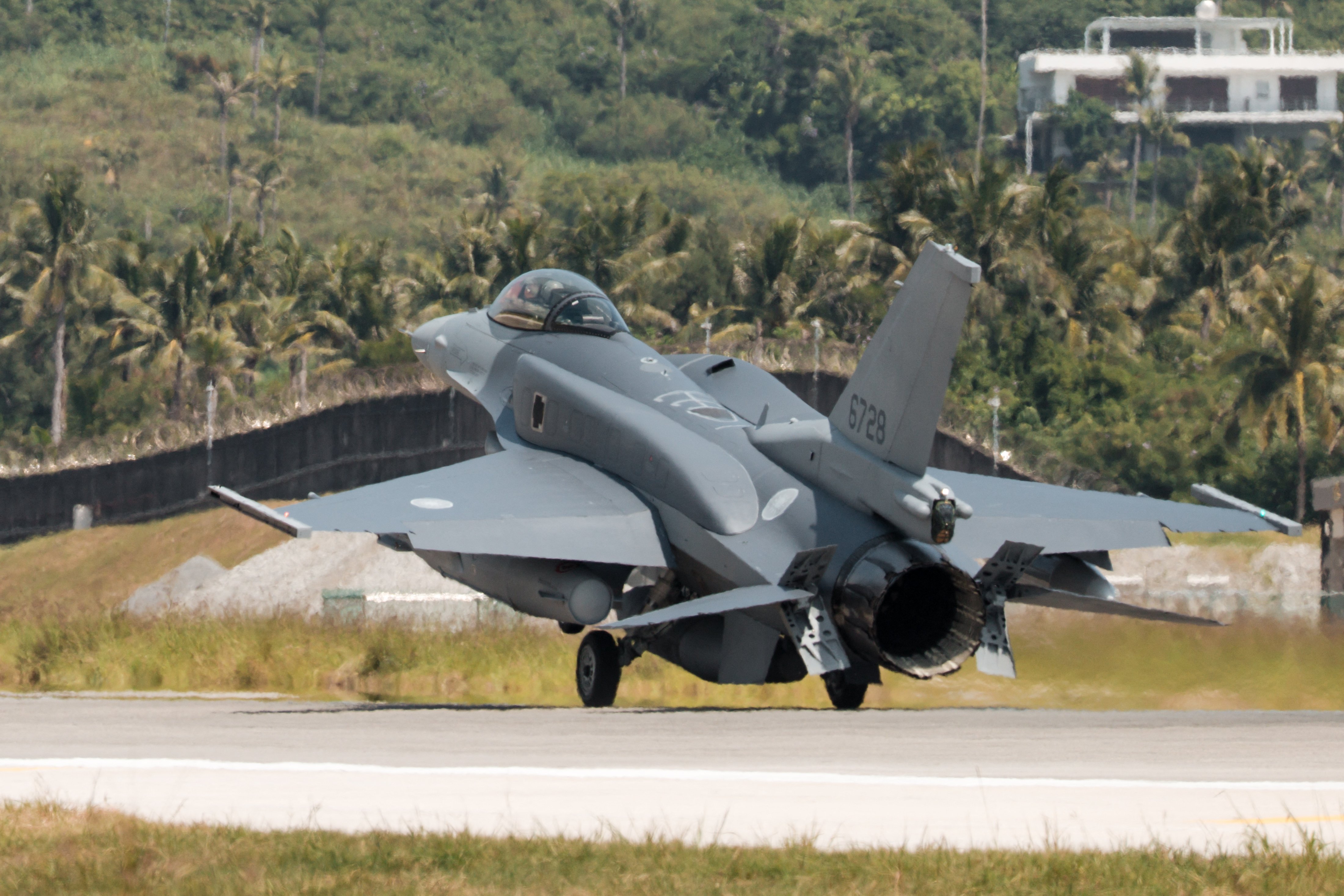
Security experts on both sides are pushing for something more urgent than trade rules: agreed limits on how AI is used in military and nuclear systems. They've proposed "red lines" keeping AI away from nuclear command decisions, along with a hotline for incidents involving autonomous weapons — a safeguard against a system malfunction being mistaken for an attack.
.
How Close Is China, Really?
Estimates of China's progress vary widely. In 2025, a White House adviser put China three to six months behind the U.S. More recently, the Commerce Department estimated a leading Chinese model was about eight months behind the frontier.
Other industry voices argue the gap is closing fast. Hugging Face CEO Clement Delangue said in August that China was already leading on openly available AI models and may not be far behind on the most advanced systems either. "I wouldn't be surprised if they start dominating at the frontier either by the end of this year or next year," he said.
.
What Comes Next
Treasury Secretary Scott Bessent is set to meet Chinese Vice Premier He Lifeng this weekend to work through AI-related disputes ahead of the Trump-Xi summit. Whether the two leaders can bridge their differences on chips, technology transfer, and military safeguards remains uncertain.
What is clear is that the debate over AI's future is no longer confined to Silicon Valley boardrooms. It now sits squarely at the center of U.S.-China diplomacy — with the fate of American innovation, military advantage, and global influence increasingly tied to decisions made in Washington and Beijing alike.
.
What's Your Reaction?
 Like
0
Like
0
 Dislike
0
Dislike
0
 Love
0
Love
0
 Funny
0
Funny
0
 Wow
0
Wow
0
 Sad
0
Sad
0
 Angry
0
Angry
0











Comments (0)