

Rescue Inhaler Overuse May Signal Hidden Heart Danger for People With Asthma and COPD
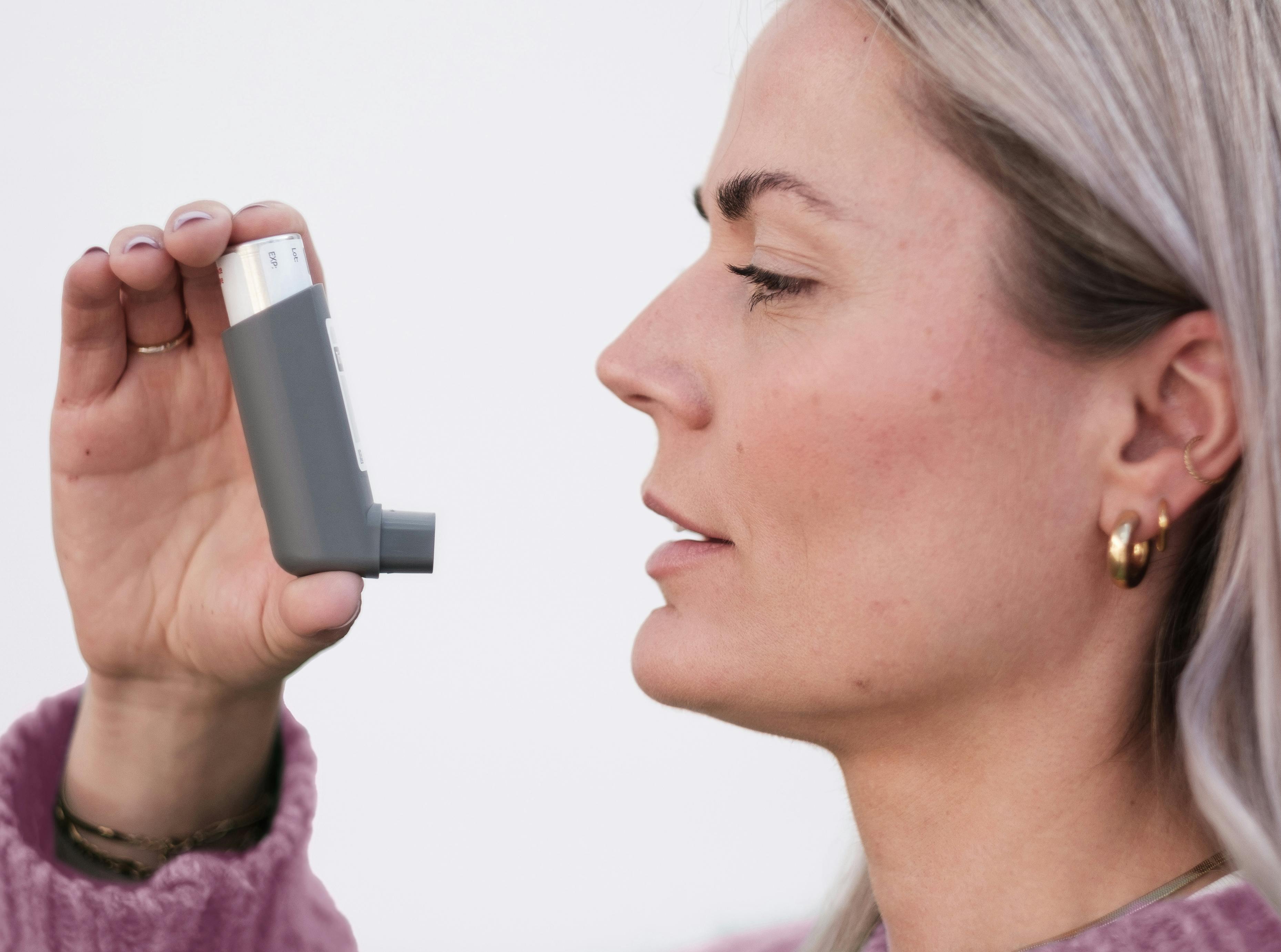
A large Belgian study of roughly 284,000 patients suggests that relying too heavily on “rescue” inhalers goes hand in hand with a higher risk of heart problems and early death. The finding does not mean patients should stop using their inhalers. Researchers say frequent use is an alarm bell that the underlying lung disease is not under control, and a reason to talk to a doctor.

.
What the Study Found
Researchers at Ghent University in Belgium and Erasmus MC in the Netherlands examined health data from adults with asthma and COPD (chronic obstructive pulmonary disease, a long-term lung condition that makes breathing difficult). The data came from a nationwide Belgian group covering 2017 to 2022, with 226,314 asthma patients and 57,446 COPD patients.
The study looked at two kinds of fast-acting "reliever" inhalers: SABAs and SAMAs. Both relax the airway muscles within minutes. The results were published in the journal ERJ Open Research.
The numbers are worrying. Compared with no use, SABA inhalers were linked to a 12% higher risk of death in asthma patients and 14% in COPD patients. For SAMA inhalers, the increase was 73% in asthma and 36% in COPD.
Heavy use was also tied to heart trouble. Frequent reliever use was associated with more heart failure, heart attacks and strokes caused by blocked blood vessels.
.
How Much Is Too Much?
According to the researchers, roughly one in five asthma patients and one in three COPD patients overuse these products.
The dividing line is lower than many people expect. Patients who used three or more reliever inhalers a year had a higher risk of death than those who used two or fewer.
A separate Belgian analysis of about one million patients, also published in ERJ Open Research, used a stricter yardstick. It found that using six or more packages a year was one of the strongest warning signs for death and for hospital stays due to flare-ups.
Surprisingly, people with no earlier heart disease seemed especially exposed. The study found that patients without a history of cardiovascular disease were more vulnerable to these heart problems.
.
Why Would an Inhaler Affect the Heart?
Two things appear to be at work.
First, the medicines themselves can speed up the heartbeat. Both SABAs and SAMAs can cause faster, irregular heart rates as a side effect.
Second, poorly controlled lung disease is a danger in its own right. Uncontrolled asthma and COPD are already linked to a higher risk of heart disease and death, and overuse of the inhalers adds to that risk.
Lead author Professor Lies Lahousse calls heavy use "an alarm signal" for uncontrolled airway inflammation (swelling and irritation inside the breathing tubes). A rescue inhaler opens the airways for a short time, but it does not treat that swelling.
One important limit applies. Because the work is based on existing health records, it shows an association, not proof that inhalers directly cause heart problems. Sicker patients naturally reach for their inhalers more often, which makes the picture harder to untangle.
.
What Patients Should Do
The message from the researchers is not "use your inhaler less." Rescue inhalers remain essential during an attack and can save lives. Patients should not cut back on their own.
Instead, frequent use should trigger a conversation. Researchers say overuse should prompt a check of the lungs and a review of the patient's treatment, inhaler technique and adherence, meaning whether medicines are taken as prescribed.
In practice, patients who find themselves refilling a rescue inhaler several times a year should book an appointment, ideally before the next flare-up.
.
Background: A Shift in Asthma Treatment
The study fits a wider change in medicine. For about fifty years, rescue inhalers were the first treatment for asthma. In 2019, the Global Initiative for Asthma (GINA), an international expert group, changed course. It stopped recommending SABA inhalers on their own, citing evidence that they do not protect against severe attacks and that frequent use raises the risk of flare-ups.
Many guidelines now favor treatments that also calm the underlying inflammation. Australia's national asthma guidelines were updated along the same lines. They now say no adult or teenager with confirmed asthma should use a SABA alone.
Experts still stress balance. A UK primary-care group noted that SABAs keep an important role in COPD and in emergency treatment.
.
Outlook
The research team now wants to find out whether sticking more closely to daily controller medicine can cut reliever use. They also plan to test whether heart-risk checks or specific heart treatments could lower the danger for patients.
Until those answers arrive, the practical lesson is simple. A rescue inhaler that is needed often is telling you something, and it is worth listening before the next emergency.
.
Sources
- European Respiratory Society press release via News-Medical: https://www.news-medical.net/news/20260827/Overuse-of-short-acting-bronchodilator-linked-to-increased-risk-of-cardiovascular-diseases-and-death.aspx
- HealthDay News: https://www.medicinenet.com/inhaler_overuse_linked_to_heart_risks_asthma_copd/news.htm
- Healio, "High short-acting bronchodilator use signals cardiovascular event risk in asthma, COPD": https://www.healio.com/news/pulmonology/20261014/high-shortacting-bronchodilator-use-signals-cardiovascular-event-risk-in-asthma-copd
- Medical Dialogues (includes study reference, DOI 10.1183/23120541.00462-2026): https://medicaldialogues.in/channels/medical-news-today/medical-bulletin-29august2026-178194
- GINA 2019 recommendations (summary): https://practicenurse.co.uk/guidelines/global-initiative-for-asthma-asthma-management-and-prevention-2019
- PCRS UK on GINA 2019 updates: https://www.pcrs-uk.org/gina-publishes-2019-asthma-guidance-updates
- National Asthma Council Australia, Australian Asthma Handbook update: https://asthma.org.au/aah-update-2025/
.
What's Your Reaction?
 Like
0
 Dislike
0
 Love
0
 Funny
0
 Wow
0
 Sad
0
 Angry
0
















Comments (0)