

Taiwan Walks a Tightrope: Defense Minister Remains "Cautiously Optimistic" on U.S. Arms
After President Trump met with China's Xi Jinping last week and openly described U.S. arms sales to Taiwan as a useful "negotiating chip," Taiwan's defense minister struck a careful but confident tone. He insists the arms pipeline remains open — and that American law makes it so.

.
A Signal of Confidence Amid Growing Uncertainty
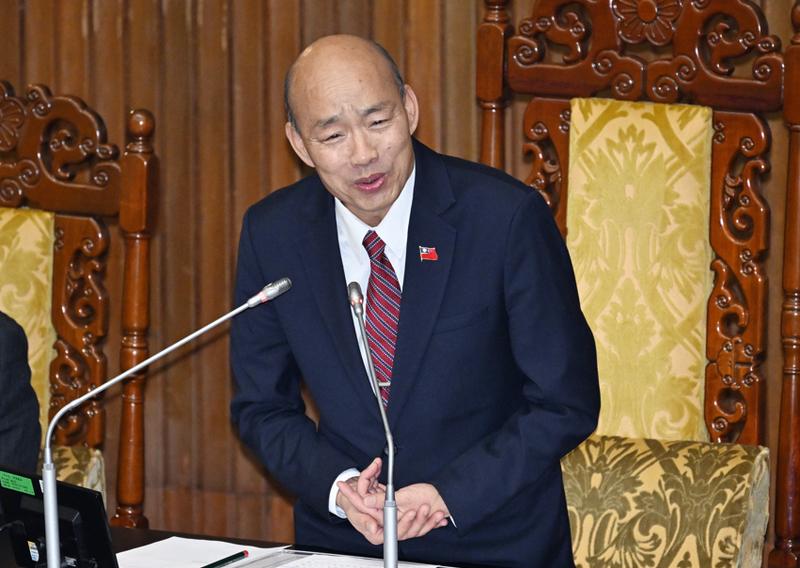
Taiwan's Defense Minister Wellington Koo addressed reporters at parliament on Tuesday, May 19, with a message that balanced reassurance with realism. He said Taiwan remains "cautiously optimistic" that arms sales from the United States will continue — even as President Donald Trump has stopped short of formally approving a pending $14 billion weapons package.
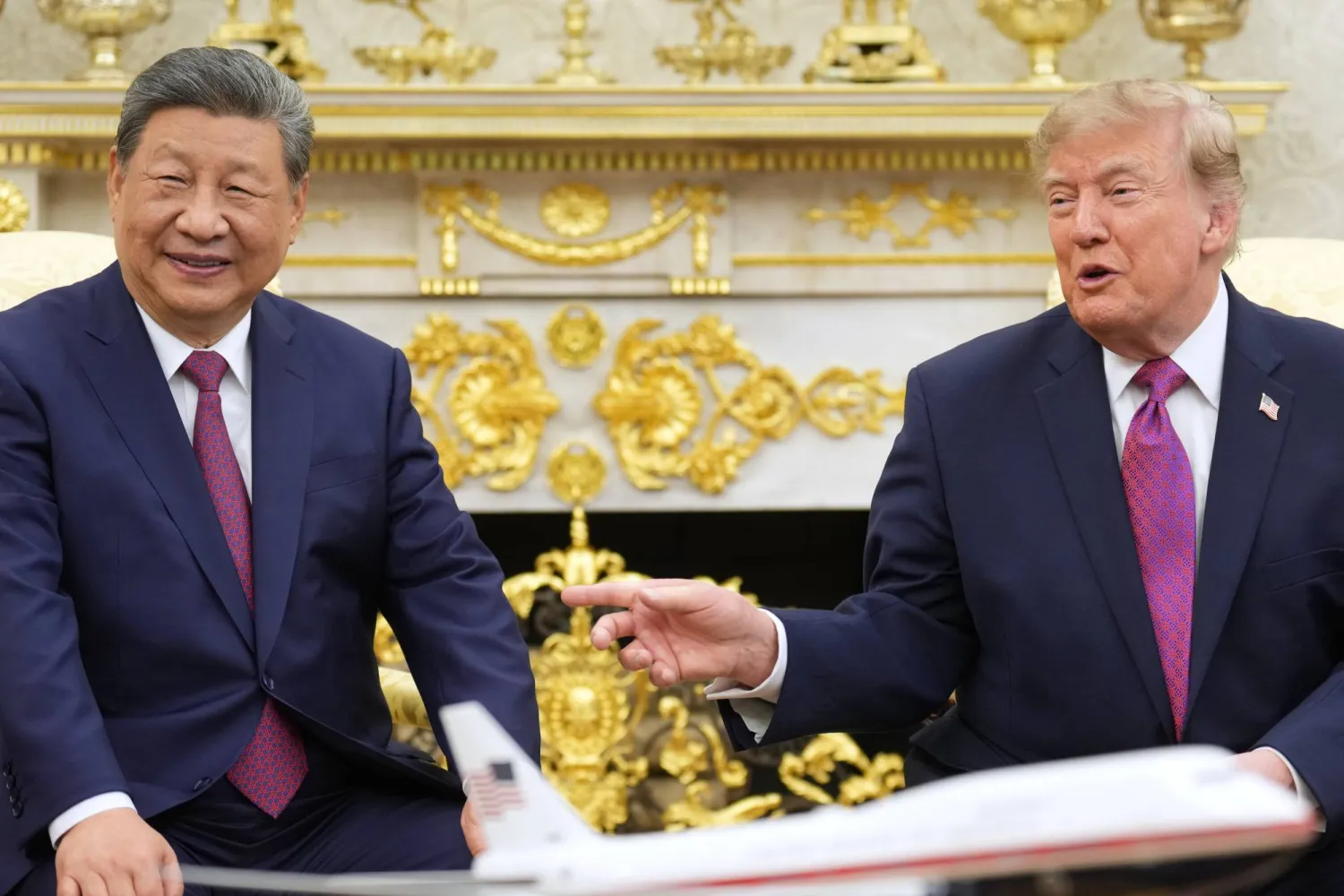
The remarks came days after Trump's high-profile visit to Beijing, where his meetings with Chinese President Xi Jinping stirred significant anxiety in Taipei. Taiwan fears it may find itself squeezed between two superpowers, with its security used as a bargaining card rather than treated as a firm commitment.
What the Law Says — and Why It Matters
At the heart of this debate is the Taiwan Relations Act (TRA), a U.S. law passed in 1979. It requires Washington to provide Taiwan with defensive weapons sufficient to maintain the island's ability to protect itself. The law was enacted when the U.S. shifted diplomatic recognition from Taipei to Beijing and remains legally binding today.
"For a long time, the United States has maintained peace and stability in the Taiwan Strait through arms sales channels," Minister Koo said, explicitly invoking the TRA. He described arms sales as an important "counterbalancing force" in the region.
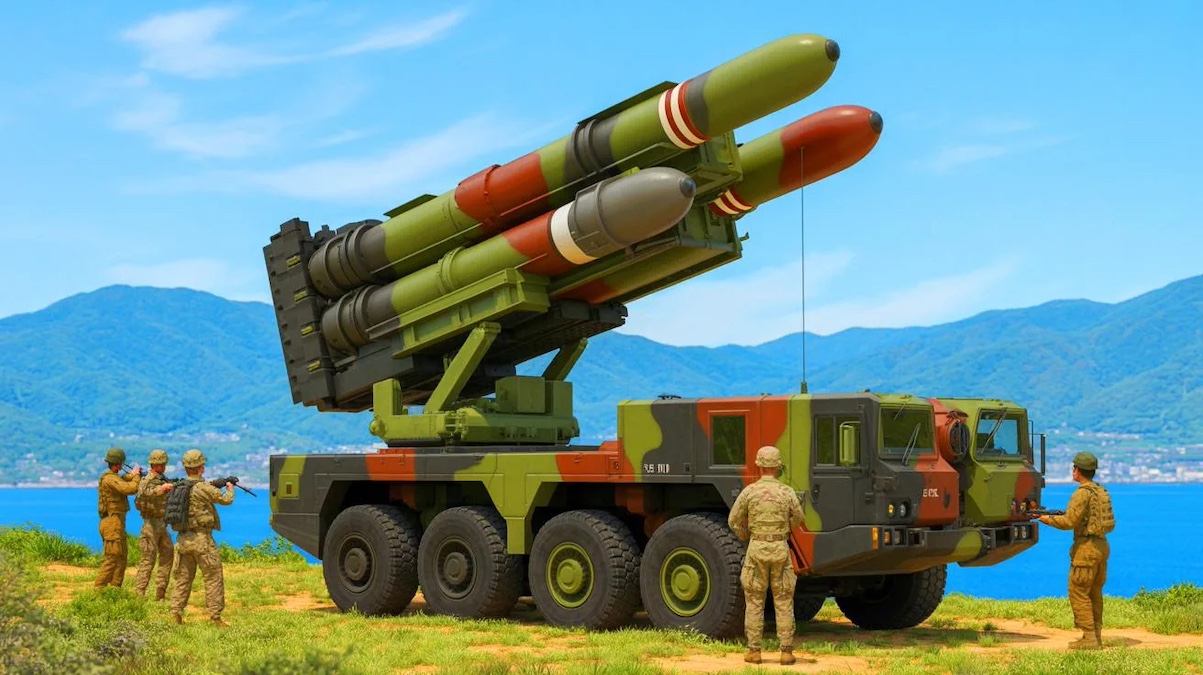
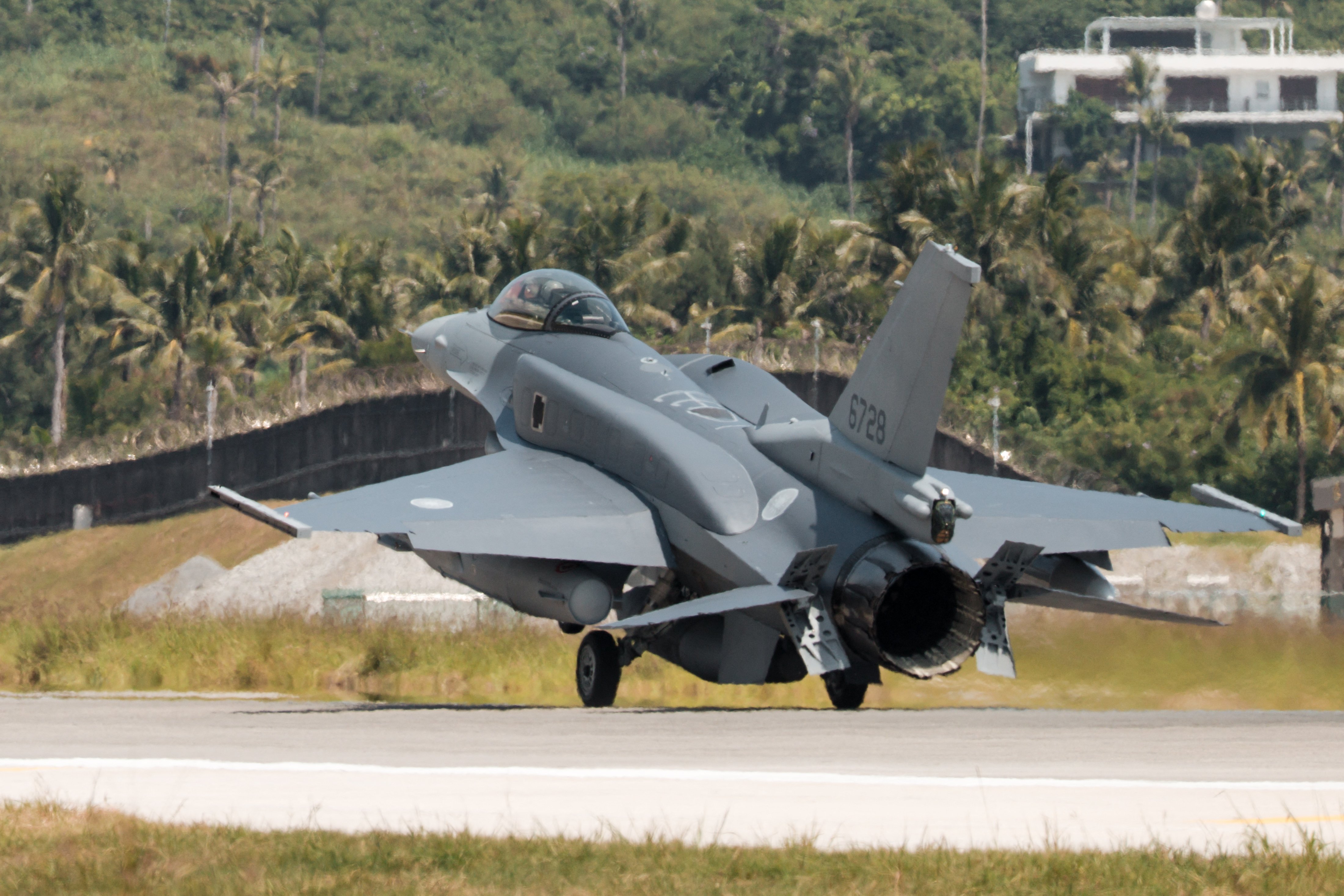
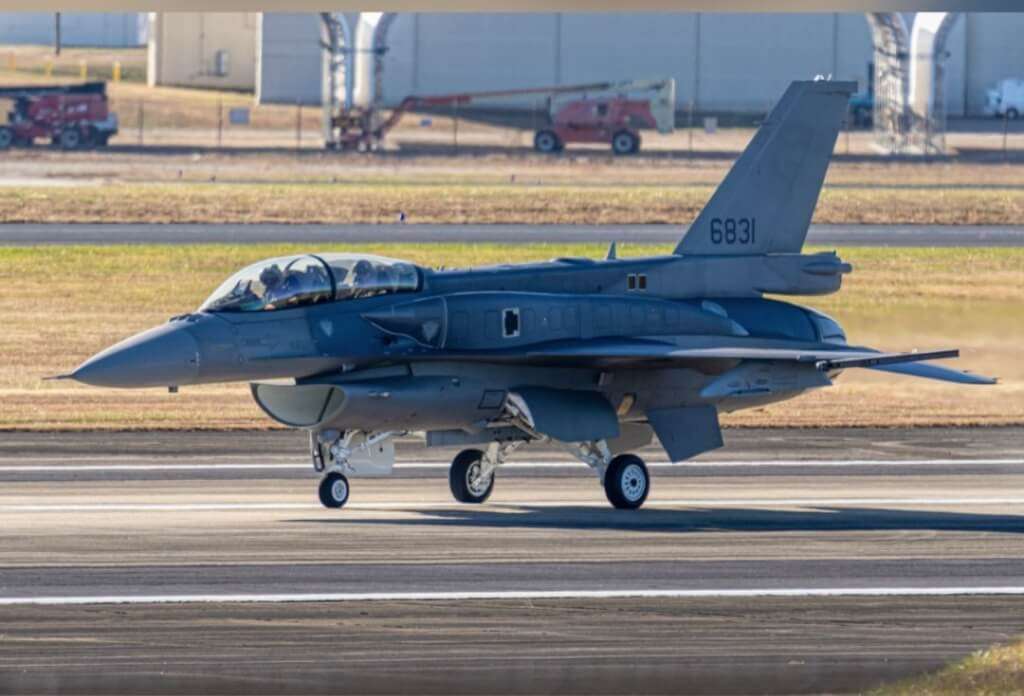
In December, the Trump administration approved an $11 billion arms package for Taiwan — the largest in history. A second package worth approximately $14 billion has been submitted but not yet formally cleared.
Trump's Comments: Relief and Alarm in Equal Measure
After returning from Beijing, Trump confirmed that U.S. policy toward Taiwan had not formally changed. However, he also said the arms sales were "a very good negotiating chip for us" — a comment that landed like a shockwave in Taipei.
Analysts note that Trump also acknowledged discussing the arms issue directly with Xi, despite a 1982 diplomatic agreement under which Washington had pledged not to consult Beijing on weapons for Taiwan. Trump appeared to brush aside that commitment, saying he saw no reason to be bound by a document written over four decades ago.
Experts from the German Marshall Fund warned that even an ambiguous rhetorical concession from Trump toward China on Taiwan could have serious consequences. Any implied reduction in U.S. support, they cautioned, could embolden Beijing to take more assertive steps.
Beijing Keeps Up the Pressure
China has not remained passive during these diplomatic maneuvers. On Tuesday, Beijing's navy announced it had dispatched a carrier task force into the Western Pacific for training exercises. The timing was notable: the announcement came just one day before the second anniversary of Taiwan President Lai Ching-te's inauguration.
Such operations are part of a broader pattern. China's military conducts daily patrols in the airspace and waters surrounding Taiwan and periodically stages large-scale war games. The most recent major exercises were in December 2024.
Minister Koo was direct in identifying the source of regional instability: "It is clear that the side repeatedly provoking incidents and undermining the peaceful and stable status quo in the Taiwan Strait is China, not our country."
Taiwan's Strategic Importance — and Its Budget Shortfall
The stakes in this standoff extend far beyond Taiwan's shores. Taiwan produces the vast majority of the world's most advanced semiconductors — the microchips that power everything from smartphones to military systems. Any conflict in the Taiwan Strait would send shockwaves through the global economy.
Despite this, Taiwan's own parliament recently complicated the situation at home. The opposition-controlled legislature approved only two-thirds of a $40 billion special defense budget that President Lai had requested. The government is now working to secure the remaining funds through further negotiations with lawmakers.
Taiwan's government firmly rejects Beijing's claim of sovereignty over the island, maintaining that only the Taiwanese people have the right to determine their own future.
The Bigger Picture
What makes the current moment particularly sensitive is the combination of factors converging at once: a U.S. president who frames alliances in transactional terms, a Chinese military growing bolder by the day, and a $14 billion arms package hanging in limbo. Minister Koo's "cautious optimism" may reflect the only rational stance available — a refusal to panic, grounded in the legal architecture that has underpinned cross-strait stability for nearly five decades.
Whether that architecture holds may depend less on Taiwan's resolve than on Washington's.
.
Sources:
- Reuters – Taiwan defense minister on arms sales and Trump-Xi summit (May 19, 2026): https://www.reuters.com/world/china/taiwan-cautiously-optimistic-about-us-arms-sales-defence-minister-says-2026-05-19/
- CNBC – Why Taiwan became the defining issue in the Trump-Xi talks: https://www.cnbc.com/2026/05/16/trumps-meeting-with-chinas-xi-steers-the-us-away-from-taiwan-again.html
- Axios – Trump waffles on $14 billion arms sale to Taiwan after Xi talks: https://www.axios.com/2026/05/15/trump-taiwan-arms-sale-xi-summit
- Council on Foreign Relations – U.S. Military Support for Taiwan: https://www.cfr.org/articles/us-military-support-taiwan-five-charts
- U.S. Congress – Taiwan Relations Act (official text, Congress.gov): https://www.congress.gov/bill/96th-congress/house-bill/2479
- Foreign Policy Research Institute – Taiwan Relations Act in a New Era of Security Cooperation: https://www.fpri.org/article/2025/08/taiwan-relations-act-in-a-new-era-of-security-cooperation/
.
What's Your Reaction?
 Like
0
Like
0
 Dislike
0
Dislike
0
 Love
0
Love
0
 Funny
0
Funny
0
 Wow
0
Wow
0
 Sad
0
Sad
0
 Angry
0
Angry
0










Comments (0)