

Hearing Music Again: One Woman’s Journey With a Cochlear Implant


.
The first sound Mary Beth Klatt heard after her cochlear implant was switched on wasn’t music. It was voices—and they sounded like liquid sand.
However, as Klatt is discovering, restoring hearing is only the beginning. Relearning to hear music is something else entirely.
The Electrical Process of Hearing
.
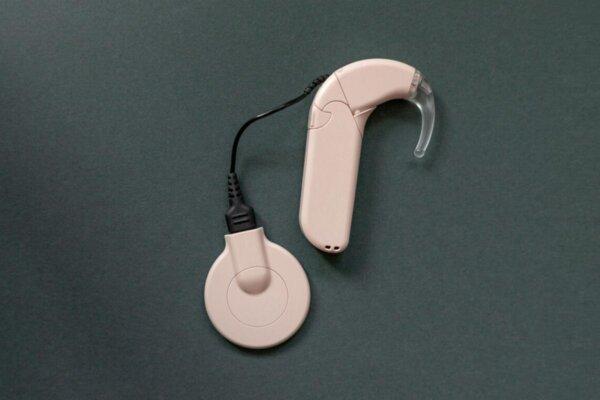
The cochlear implant has both external and internal components, including a microphone that fits over the ear and an electrode array that sits in the snail-shaped inner ear. Ivan_Shenets/Shutterstock
.
A cochlear implant detects sound and converts it into electrical signals that directly stimulate the auditory nerve. Unlike hearing aids, which simply amplify sound, the cochlear implant helps the brain process sound. The electrode array bypasses damaged cilia (microscopic sensory receptors) and sends electrical pulses directly to the cochlear nerve, the part of the auditory nerve responsible for carrying information from the inner ear to the brain for sound processing.
The device has both external and internal components, including a microphone that fits over the ear and an electrode array that sits in the snail-shaped inner ear. Most people with hearing loss still have a functioning hearing nerve. The problem is usually that the tiny nerve endings (cilia) inside the ear are damaged and can’t send signals to the nerve.
A Lifelong Journey
For Klatt, like many cochlear implant patients, navigating the world with hearing impairment has been a lifelong endeavor. Born with congenital hearing loss, she began wearing hearing aids at age 4 and attended special education programs for children with hearing loss from pre-kindergarten onward.
As a journalist, she used telephones with adjustable volume. Closed captions, which became more widely available following advocacy by deaf actress Marlee Matlin in the late 1980s and 1990s, transformed her experience of television. “Closed captions became a godsend, much like live captions now,” she said.
‘Activation Day’
Each patient’s experience is different as they learn—or relearn—to hear sound with an implant, and the range of people who’ve received cochlear implants is vast, from infants to senior citizens.Post-surgery, patients attend regular therapy sessions to tune the device. Through a process called “mapping,” audiologists and surgeons adjust the implant based on the patient’s physiological makeup and feedback.
Klatt recalls the anxiety of her “activation day,” when the implant was powered on for the first time. Voices, she said, sounded raspy and unrecognizable—like liquid sand, but the memory of familiar sounds, music in particular, gave her a reference point to work from.
“My journey in relearning music will be very different from someone who’s lost his or her hearing later in life,” she said. “They’ll have an easier time picking up familiar tunes.”
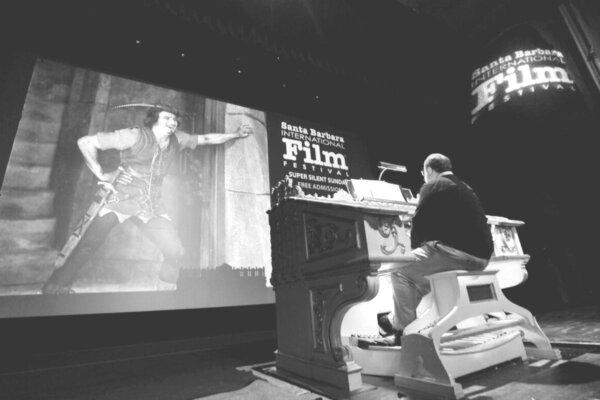
“The Wurlitzer organ played a huge role in my life,” she said. “The silent films, with their captions, compelling stories, copies of celluloid reels of historic buildings, and movie stars long gone, hugely appealed to my inner history and movie geek.”
Seasonal melodies can be a useful learning tool. Familiar, structurally simple songs—the kind heard since childhood—are among the easiest for implant recipients to recognize.
The Road Ahead
As speech therapy remains the top priority for cochlear implant recipients, some medical professionals also suggest adding music therapy to patients’ overall rehabilitation program post-surgery.One avenue for improvement lies in the device itself. Narrowing the electrical current delivered by the implant’s electrodes could allow patients to perceive pitch more accurately. Greater electrode precision could meaningfully improve the musical experience for implant recipients.
The goal of rehabilitation is to achieve “the full sound of music”—a benchmark that encompasses not just speech comprehension but the full sensory richness of sound as most people experience it. Klatt’s implant surgeon, Dr. Michael Harris, a board-certified otolaryngologist at Froedtert & Medical College of Wisconsin, told her it could take two years before she could experience music more fully.
Klatt is now able to “sing along to simple tunes,” but she’s really looking forward to joining in on one of her favorite Christmastime melodies, she said. She already recognizes the impact the experience will bring.
“I really look forward to hearing and singing along to ‘Silent Night,’ probably my favorite song of the season,” she said. “It’ll probably be an emotional experience—me crying because I’ll be able to understand the lyrics and sing along!”
.
What's Your Reaction?
 Like
0
Like
0
 Dislike
0
Dislike
0
 Love
0
Love
0
 Funny
0
Funny
0
 Wow
0
Wow
0
 Sad
0
Sad
0
 Angry
0
Angry
0












Comments (0)