

Half a Million People Signed This Petition—What’s It About?


The signers of the petition hail from 34 countries, with the goal of seeking a stronger stance to combat the abuse.
Here’s what to know about the petition and the driving force behind it.
What Is Forced Organ Harvesting?
Forced organ harvesting refers to the act of forcibly taking organs from a person—often for huge profits in the black market—killing them in the process.
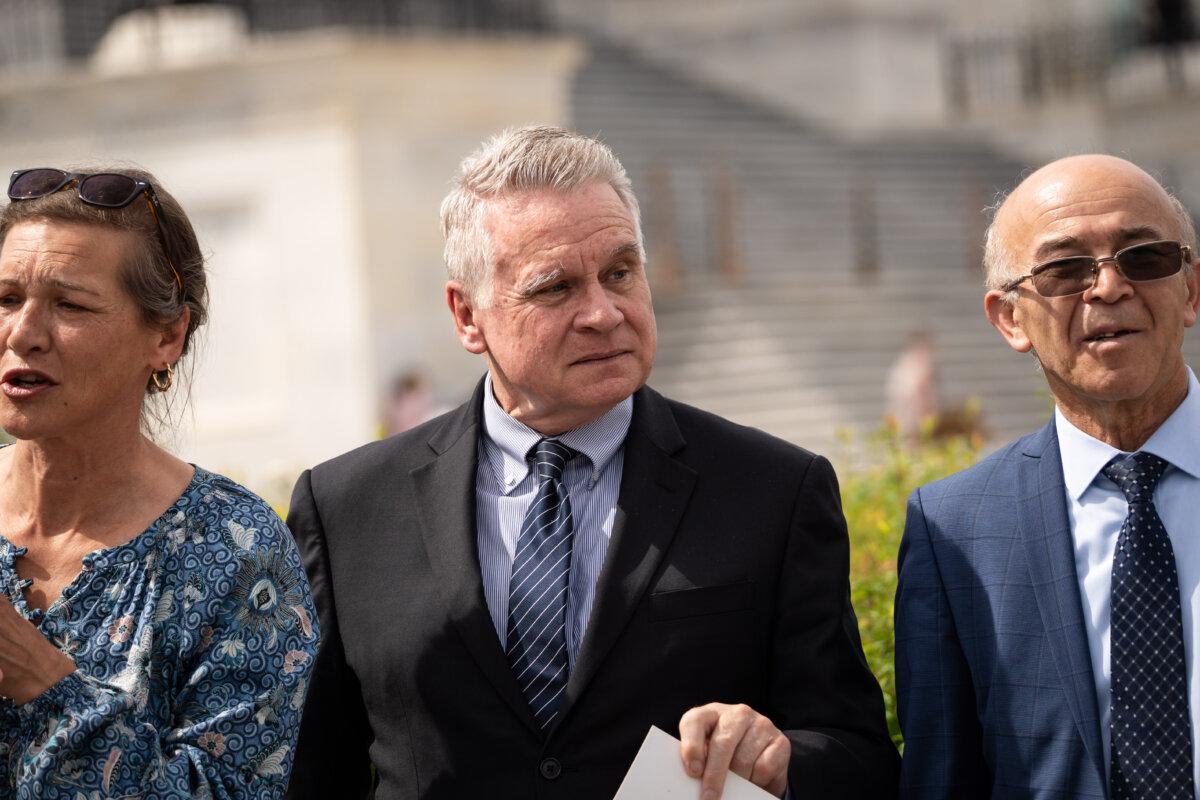
Rep. Chris Smith (R-N.J.), co-chair of the Congressional-Executive Commission on China, listens during a press conference about the Stop Forced Organ Harvesting Act passed by the House, on Capitol Hill in Washington on May 7, 2025. Madalina Vasiliu/The Epoch Times
.
What Does This Petition Seek to Accomplish?
The petition calls for attention from the United States and more than a dozen allies, including Canada, Japan, the United Kingdom, Australia, South Korea, and Taiwan, which stand out for either large transplant numbers, geopolitical importance, or exposure to organ trafficking.
It urges the nations’ leaders to issue a joint declaration condemning the abuse and to inform their citizens and protect them from complicity by going to China for organs or by contributing medical expertise. Further proposed actions include holding annual parliamentary hearings on forced organ harvesting and issuing reports that highlight witness and expert testimonies. Countries should also begin investigations into the issue to hold violators accountable, it said.
Why Is This Important?
The two principal organizers—Doctors Against Forced Organ Harvesting (DAFOH) and the International Coalition to End Transplant Abuse in China—described the abusive acts as a “cold genocide.”
The regime has been using it to “slowly and covertly eliminate [Falun Gong] and its practice of truthfulness, compassion, and tolerance, while garnering a massive profit from organ sales in the process,” the organizations said, adding that insufficient action from the international community has “allowed these crimes to continue and be perpetrated against the Uyghur population as well in recent years.”
.
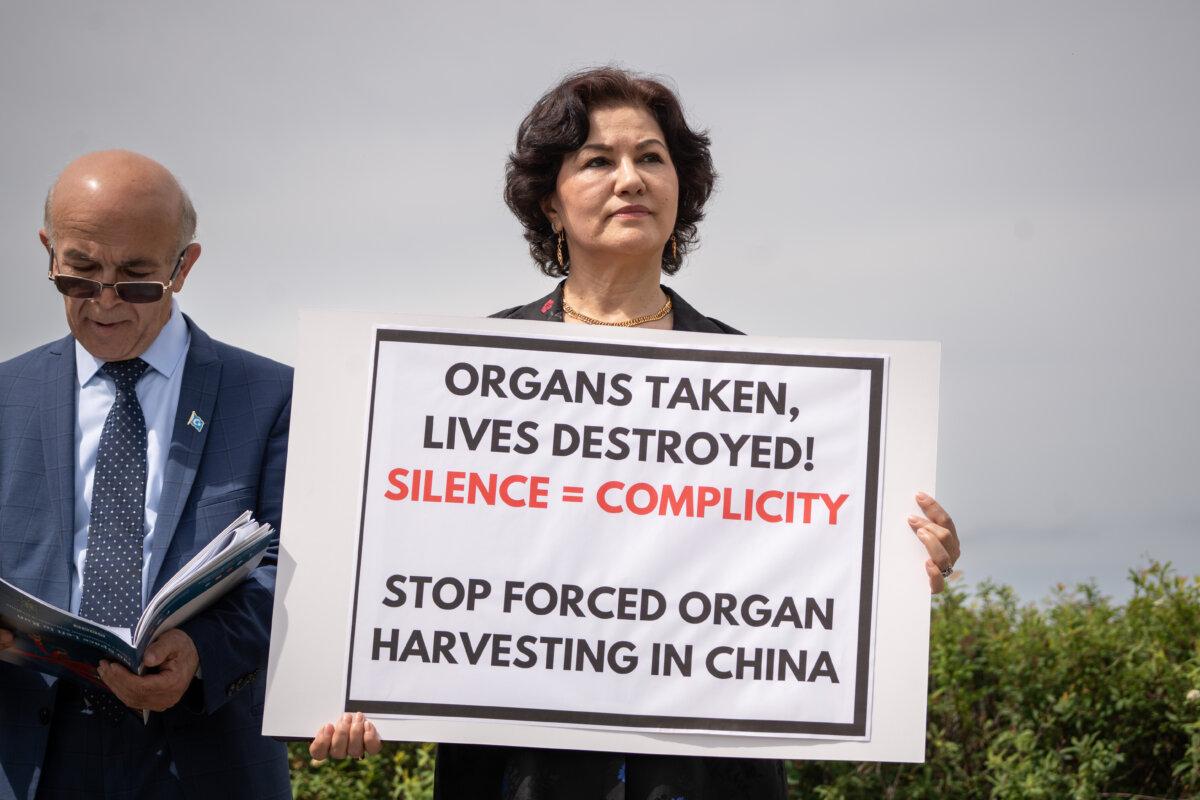
Rushan Abbas, founder of the Campaign for Uyghurs, speaks about the Stop Forced Organ Harvesting Act, passed by the House, on Capitol Hill in Washington on May 7, 2025. Madalina Vasiliu/The Epoch Times
.
Dr. Torsten Trey, DAFOH’s executive director, said seeing the amount of support for the petition is promising.
What Are Recent Key Developments on This Issue?
In the United States, five states have enacted laws that curb health insurance coverage for organ transplants originating from China.The group vowed to advance legislation to “prevent, prohibit and punish forced organ harvesting and organ trafficking,” including banning organ transplant tourism, leveraging sanctions, requiring medical professionals and hospitals to report suspected cases, and restricting transplant collaboration with foreign entities linked to forced organ harvesting.
.

Doctors Against Forced Organ Harvesting take part in the China Human Rights Fair at the Rayburn House Office Building on Capitol Hill in Washington on Dec. 10, 2025. Madalina Kilroy/The Epoch Times
.
What Comes Next?
The campaign’s next goal is to reach 1 million signatures by June 2026. And hopefully, they said, more nonprofits and individuals can join their effort by holding signing events and spreading the word.“Every freedom-loving person and every person of faith wants to see this heinous, gruesome persecution and forced organ harvesting of Falun Gong practitioners being stopped,” Trey said.
Susie Hughes, executive director of the International Coalition to End Transplant Abuse in China, said the response so far is “a powerful signal that the world is no longer willing to ignore forced organ harvesting.”
“It reflects increasing public demand for continued and decisive action by governments,” she told The Epoch Times.
What's Your Reaction?
 Like
0
Like
0
 Dislike
0
Dislike
0
 Love
0
Love
0
 Funny
0
Funny
0
 Wow
0
Wow
0
 Sad
0
Sad
0
 Angry
0
Angry
0














Comments (0)