

Functional Beverages Promise More Than Energy—Here’s How to Spot the Good Ones

.
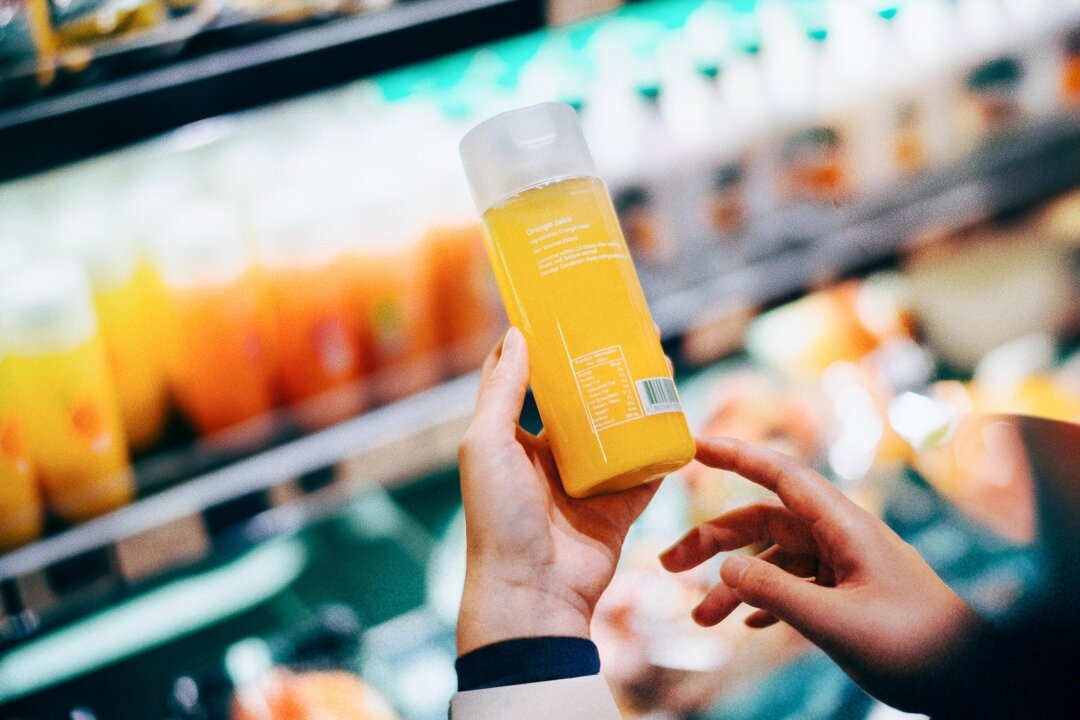
It was a hot afternoon packed with errands, and by 3 p.m. I was tired and low on energy—so I searched for a healthy pick-me-up. Near the produce section, I found more than juice or soda: a range of wellness drinks, called functional beverages. As a nutritionist, I was surprised to see so many options, making it tricky to choose a healthy one.
As demand for clean-label, functional beverages continues to surge, the natural energy drink market is going through a transformation. Discerning consumers, no longer content with artificial ingredients and high-sugar formulas, are fueling a shift toward nutrient and adaptogen-rich, fermented probiotic drinks. These next-generation beverages promise more than just a quick energy boost—they offer sustained vitality, improved gut health, and sharper focus.
What to Look For
Before chasing new ingredient trends, prioritize daily hydration—essential for cellular energy, nerve signaling, and peak performance. Even mild dehydration can impair focus, endurance, and temperature regulation, while prolonged deficits strain the kidneys and heart.The most valuable functional beverages start from the basics: water.
Functional drinks are adding electrolytes and organic acids to improve the absorption of water, balance blood sugar, and enhance cellular health—even benefiting metabolism and inflammation.
Not every energy drink earns a health halo. When looking for a healthier drink, it is best to read the ingredients label carefully to see whether it contains some of the nutrients you could benefit from. Choose drinks with ingredients that match your goal—look for protein with minimal sweeteners to reduce sugar cravings; probiotics or fiber for gut health; or caffeine with no added sugars for steady energy.
Benefits Explained
High-quality drinks offer specific benefits when they include clinically researched ingredients such as the following:What to Avoid
Avoid drinks loaded with:- Added sugars above 8 grams per serving
- Artificial sweeteners such as sucralose and aspartame
- Synthetic dyes such as Red 40
- High-fructose corn syrup
- Excessive synthetic caffeine—more than 400 milligrams per day for most adults and almost zero for children
Practical Tips
In just a few steps, savvy buyers can quickly distinguish proven health benefits from marketing hype.- Read Labels Critically: Prioritize short, natural ingredient lists and clear information on caffeine and sugar content.
- Select Adaptogen-Rich or Fermented Options: Choose kombucha or probiotics with live cultures, or drinks with ashwagandha or rhodiola for added gut and stress support.
- Hydrate First: Choose clean, mineral-enriched water, possibly with a squeeze of lemon or a pinch of sea salt, for a homemade electrolyte boost.
- Make Your Own: Prepare home-brewed kefir or kombucha, herbal teas with adaptogens, or simple fruit-infused waters to gain benefits without the high price tag, label confusion, or unnecessary additives.
.
What's Your Reaction?
 Like
0
Like
0
 Dislike
0
Dislike
0
 Love
0
Love
0
 Funny
0
Funny
0
 Wow
0
Wow
0
 Sad
0
Sad
0
 Angry
0
Angry
0


















Comments (0)