

Eat Your Sun Protection

.
While sunshine supplies essential nutrients to our bodies, too much can be harmful. Beyond bathing our skin with lotions there are ways to protect from within.
No one enjoys a sunburn. From peeling skin to fine lines and wrinkles to deadly melanoma, prolonged exposure to the sun can cause unwanted side effects and risks. While the summer sun is the best source of vitamin D there is potential for too much of a good thing.
The known dangers of conventional sunscreen use have many seeking the healthiest option for mitigating sun damage while increasing vitamin D absorption. One potential answer to this conundrum may be on your plate.
How Fatty Acids Offer Protection From Sun Damage
Fatty acids are important for maintaining healthy skin in general, and they can also help enhance sun protection. Omega-3 fatty acids found in foods like fish, nuts, and seeds, have been shown to reduce inflammation and protect against sun damage. Incorporating these foods into your diet can help mitigate skin damage from the sun. While fatty acids alone are not a substitute for proper sun protection, they can be a helpful addition to your overall suncare routine.Foods High in Sun-Protective Fatty Acids
EPA and DHA are two types of omega-3 fatty acids that are commonly found in fatty fish. In addition to their sun-protective benefits, EPA (eicosapentaenoic acid) and DHA (docosahexaenoic acid) are essential for the proper functioning of our bodies, especially our brain and heart health. They are known to have anti-inflammatory properties and may help reduce the risk of various chronic diseases.So, what are the best fatty fish, nuts, and seeds to eat for a boost in sun protection?
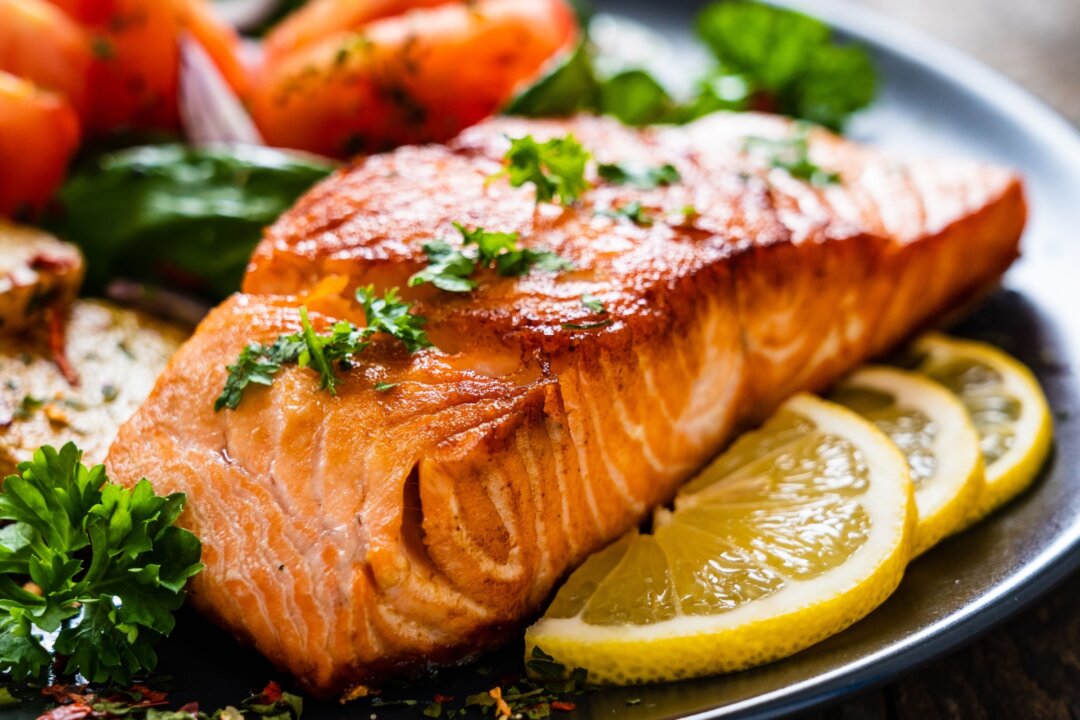
2. Salmon: Salmon contains between 1 to 1.8 gm of DHA and EPA in a 100 gm portion, depending on the type of species.
3. Herring: Herring includes 1.6 to 1.7 grams of DHA and EPA per 100 gm portion.
5. Canned sardines: Sardines contain 1 gm of DHA and EPA per 100 gm portion. A standard tin usually contains around 100 grams.
6. Anchovies: 100 grams of anchovies contains 1.4 grams of DHA and EPA. Five anchovies are roughly 20 grams.
7. Fish eggs/roe: One ounce of caviar contains 1.9 grams of DHA and EPA. A tablespoon contains about one gram.
Known Risks of Sunscreen to Consider
While sunscreen can be an effective and convenient way to protect your skin from harmful ultraviolet rays, there are some potential dangers to be aware of. Some sunscreens contain chemicals that may be harmful to human health or the environment. Additionally, there is some concern that using sunscreen could lead to a false sense of security, causing people to spend more time in the sun than they otherwise would.In addition to aiming for sufficient fatty fish intake, wearing protective clothing, seeking shade, and avoiding prolonged sun exposure during peak hours are safe ways to protect your skin.
.
What's Your Reaction?
 Like
0
Like
0
 Dislike
0
Dislike
0
 Love
0
Love
0
 Funny
0
Funny
0
 Wow
0
Wow
0
 Sad
0
Sad
0
 Angry
0
Angry
0

















Comments (0)