

Three Leaders, One Villa, Few Results: What the Shenzhen Summit Really Delivered
For the first time ever, the leaders of the United States, China and Russia met in one room. In Shenzhen, Donald Trump, Xi Jinping and Vladimir Putin signed a short “peace declaration” and repeated that nuclear war must never be fought. They announced no arms-control talks, and the declaration did not mention the war in Ukraine. Trump called the meeting a huge success. Critics, and even some allies, are asking what it really achieved.

.
A first in modern history
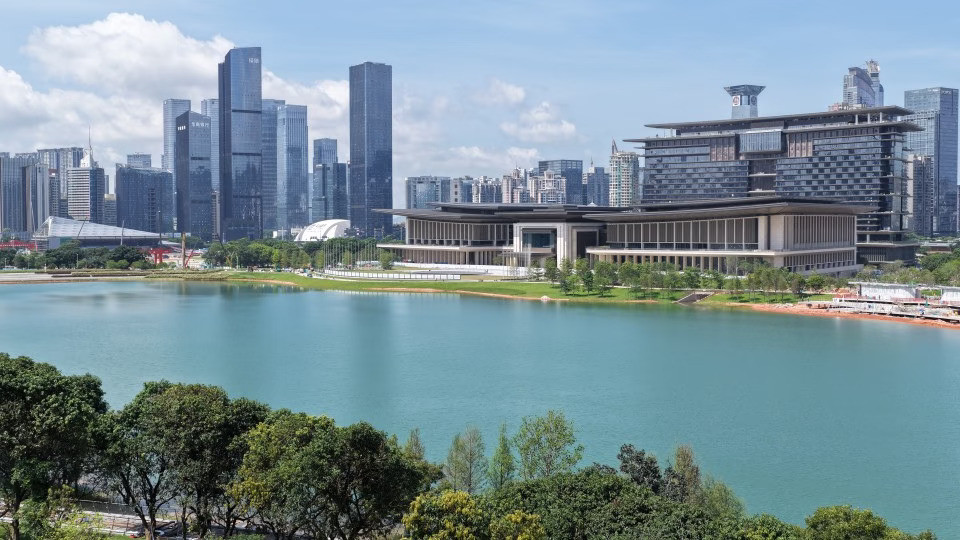
On Thursday, November 19, the presidents of the world's three biggest nuclear powers sat down together in a villa by a lake in the Chinese tech hub of Shenzhen. Trump has met Putin face-to-face seven times and Xi eight times, but never all three together.
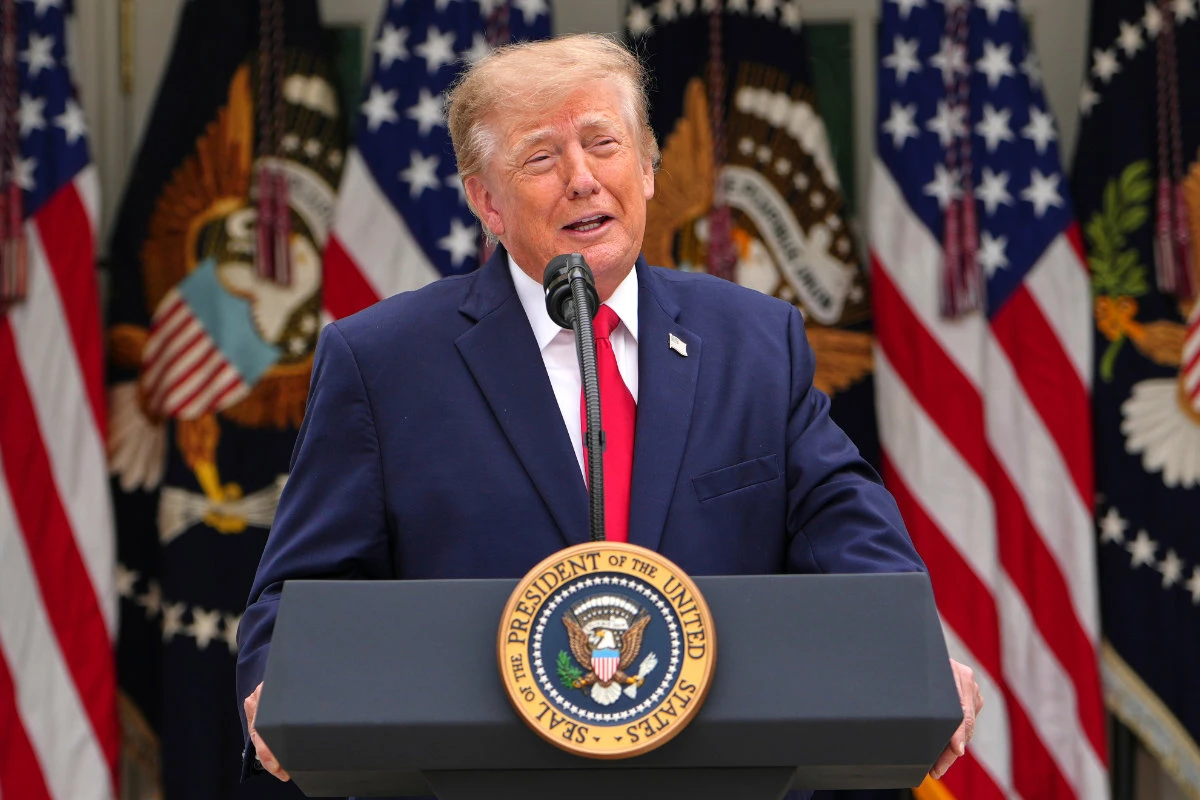
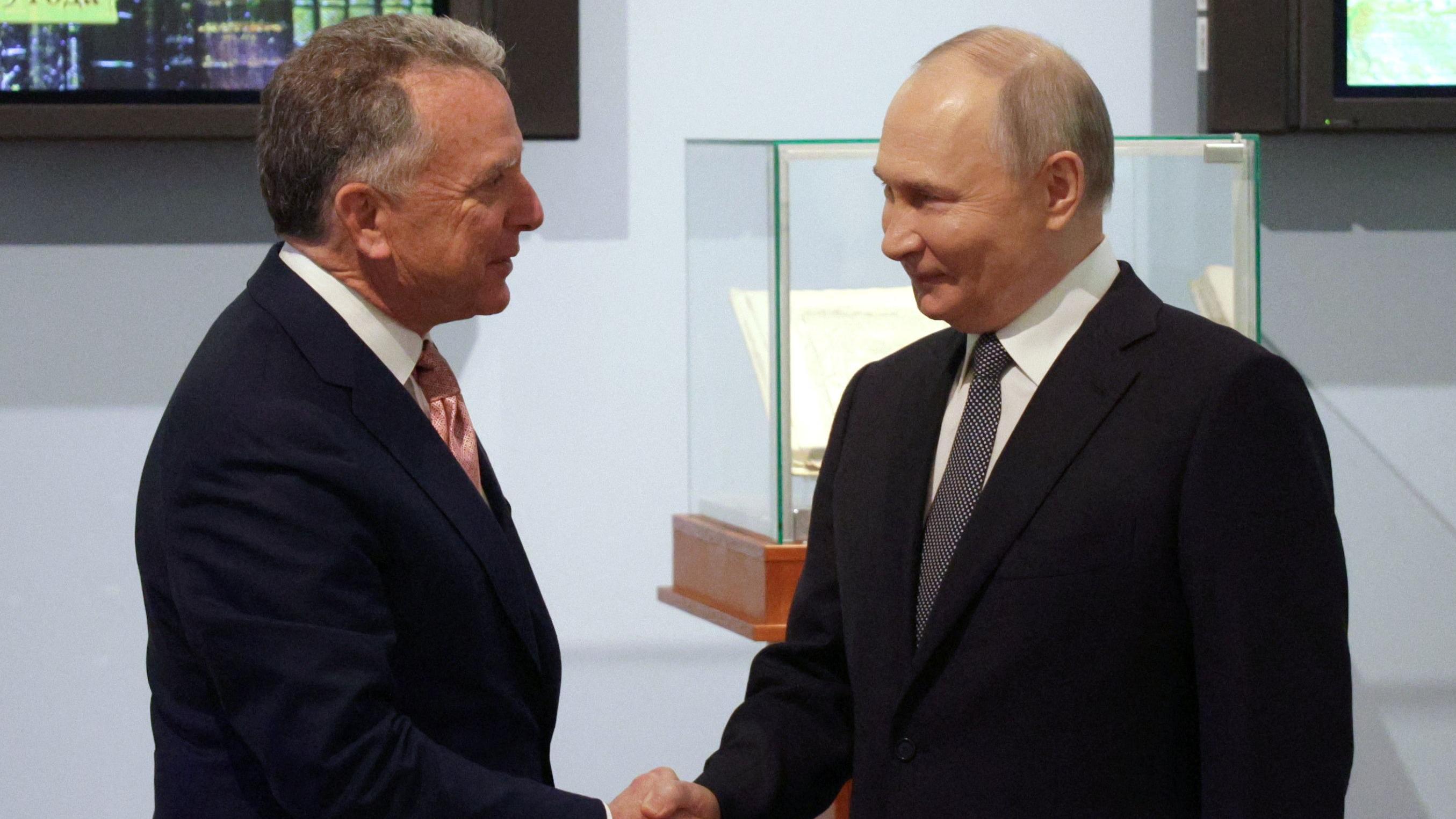
The meeting was the high point of a three-day Asian trip by Trump. He greeted Putin as "my friend" and received a hug from Xi. Trump said afterwards that the meeting "went great" and that, on a scale of zero to ten, he would give it a twelve.
Trump also told Reuters the summit was "bigger than Yalta." Yalta was the 1945 conference at which the US, Britain and the Soviet Union shaped the postwar world.
What the declaration says (and what it leaves out)
The joint text is short and mostly symbolic. The three leaders:
- agreed that a nuclear war cannot be won and must never be fought,
- promised a "dialogue" on reducing nuclear risks and stopping the spread of nuclear weapons, with no timetable,
- pledged to push for reform of the United Nations and to increase fuel supplies for all countries,
- backed the immunity that state officials enjoy before international courts.
The omissions are just as telling. The declaration says nothing about Russia's war in Ukraine or the US conflict with Iran. It also contains no word about a three-way nuclear arms treaty, which Trump has wanted since his first term. Putin himself admitted that the goals were modest and that nobody would be forced to follow the decisions.
The court passage drew attention because the International Criminal Court issued arrest warrants for Putin more than three years ago over alleged war crimes in Ukraine. Moscow rejects the accusations.
Why China blocks nuclear talks
Trump said on his flight home that limiting nuclear weapons is something he loves "in concept." Negotiating it, he said, is very hard, and he will keep trying. He added that Xi agrees in principle, but that it is psychologically difficult for any leader to announce he will give up half of his arsenal.
China's position is simple: its arsenal is much smaller, so why cut it? Estimates from the Bulletin of the Atomic Scientists put China at about 410 warheads in 2023, the US at about 3,700, and Russia at about 5,400 as of March 2026. Beijing is catching up fast, though. The Pentagon expects more than 1,000 operational Chinese warheads by 2030.
In other words, the Chinese Communist Party (CCP) wants the benefits of being treated as an equal superpower without the transparency that arms control demands.
Applause and alarm
Reactions were sharply divided.
Critics at home: Senate Democratic leader Chuck Schumer called the meeting a "historic embarrassment" and accused Trump of bowing to adversaries for a photo opportunity.
Arms-control experts: Daryl Kimball of the Arms Control Association welcomed the statement on nuclear war, but said words are not enough and real disarmament diplomacy is needed.
Analysts: Jonathan Eyal of the Royal United Services Institute said Putin came out ahead. In his view, Putin regained credibility and moved further away from pariah status, while Trump gained a photo opportunity he did not need.
Europe: European leaders met in Berlin the same day. German Chancellor Friedrich Merz warned that a "Yalta" format would not bring peace and that Europe would not be divided up. Trump's envoy Jared Kushner replied that Trump wants a peace deal with Europe at the table and believes peace is achievable.
Ukraine: President Volodymyr Zelenskiy was asked about Trump calling Putin a friend. He shrugged and walked on.
Trump defended his tone. It is better, he said, to have a man with 4,000 nuclear weapons as a friend than as an enemy. Supporters see this as the realistic deal-making style that has already brought several prisoner releases and ceasefire efforts. Skeptics say friendly words have so far not changed the behavior of Moscow or Beijing.
Putin rejected the Yalta comparison. He said that conference did not divide the world but "codified" the existing reality.
The Taiwan warning and the war in Ukraine
Behind the friendly pictures, real tensions remained. Xi warned Trump that Washington must "do the right thing" on Taiwan to avoid serious setbacks in relations. Taiwan is a democratically governed island that Beijing claims as its own.
Ukraine was a second sore point. Before the three-way session, Trump told Xi that both countries could help end the war, and Xi did not mention Ukraine or Iran in his remarks. Putin, by contrast, spoke of shared interests in settling regional conflicts, "obviously" including Ukraine.
The war also continued while the leaders met. Ukrainian officials reported that a Russian attack on Kyiv on November 19 damaged the Austrian embassy, killed one person and injured four. The Dutch foreign minister said a projectile also hit behind the Dutch embassy.
AI rules: "moderate" regulation
In a Fox News interview, Trump said he and Xi both want AI rules for safety reasons and will work together on "reasonable" regulation. The Chinese embassy in Washington said the two countries should strengthen communication and make sure AI stays under human control.
The race for AI leadership is also a race for military and technological power. Trump said he did not talk much with Xi about Nvidia or about its former chief executive Jensen Huang. The New York Times reported in October that Huang had a romantic relationship with a woman accused of spying for Beijing. Reuters has not independently confirmed that she is a spy.
The US has tried for years to keep Nvidia's most advanced chips out of Chinese military hands. Critics note that a government known for mass surveillance now talks about "human control" of AI, so any cooperation will need to be watched closely.
Two Americans still in Chinese custody
One issue received little attention at the summit. Two Americans are held in China, and the US has officially declared both "wrongfully detained":
- Youlin Chen, a Chinese-born seismologist who studies North Korean nuclear tests. He has been held since November 2024 and was charged with espionage in May 2025. His wife says he has been interrogated more than 100 times. His research was US-funded and publicly available.
- Min Zin, a researcher on Myanmar. He was arrested in June in Yunnan after the Chinese government invited him to an academic conference.
Republican lawmakers had urged Trump to press Xi on both cases. Trump told Reuters that an aide raised them with the Chinese side. He said Americans are being held in "a few" cases, and that his administration has already won the release of many people from other countries. According to US officials, 115 US citizens have been freed from detention abroad since he returned to office in January 2025.
Beijing rejects the "wrongful detention" label and says it handles such cases according to Chinese law. Chen's wife hopes for his release before Xi visits Florida in December.
What comes next
The next test is only weeks away. Trump will host the G20 summit at his golf resort in Florida, where he is expected to meet Xi again. Putin said he would consider attending but must first consider the situation in Russia. His presence would likely anger US allies.
Wang Yi, China's foreign minister, said the three countries would stay in touch at working level. Whether that leads to real nuclear talks, or remains a stage for warm words, will decide how history judges Shenzhen.
.
Sources
- Reuters, "Trump, Xi and Putin release 'peace declaration' from unprecedented summit" (Nov 19, 2026) – republished at https://www.koreatimes.co.kr/world/20261120/trump-xi-and-putin-release-peace-declaration-from-unprecedented-summit
- Reuters, "Trump says nuclear arms limits with China, Russia will be very hard to achieve" (Nov 19, 2026) – https://www.reuters.com/world/china/trump-says-after-talks-with-xi-putin-deal-limiting-nuclear-weapons-will-be-hard-2026-11-19/
- Reuters, "Trump says aide raised with Chinese side detention of two Americans" (Nov 19, 2026) – https://www.reuters.com/world/china/trump-says-aide-raised-with-chinese-side-detention-two-americans-2026-11-19/
- Reuters, "Trump says he and China's Xi want moderate AI rules" (Nov 19, 2026) – https://www.reuters.com/technology/trump-says-he-chinas-xi-want-moderate-ai-rules-2026-11-19/
- Associated Press, "Trump, Xi, Putin Agree on 'Peace Declaration'" – https://www.asianage.com/world/trump-xi-putin-agree-on-peace-declaration-2005955
- Associated Press, "Trump, Xi and Putin plan an unprecedented joint meeting, White House says" – https://www.wdbj7.com/2026/11/14/trump-xi-putin-plan-an-unprecedented-joint-meeting-white-house-says/?outputType=amp
- AsiaOne, "US, China can help end Ukraine war, Trump tells Xi before trilateral with Putin" – https://www.asiaone.com/world/us-china-can-help-end-ukraine-war-trump-tells-xi-trilateral-putin
- United24 Media, "Russian Strike on Kyiv Damages Austrian and Dutch Embassies, Kills One" – https://united24media.com/war-in-ukraine/austrian-embassy-damaged-in-russian-strike-on-kyiv-as-sybiha-calls-for-strong-response-24538
- Channel 4 News, "Trump, Xi and Putin issue 'joint declaration of peace' at China summit" – https://www.channel4.com/news/trump-xi-and-putin-issue-joint-declaration-of-peace-at-china-summit-china
.
What's Your Reaction?
 Like
0
 Dislike
0
 Love
0
 Funny
0
 Wow
0
 Sad
0
 Angry
0








Comments (0)