

10 Old-Fashioned Habits Science Now Says You Should Bring Back
Long before wellness apps and productivity hacks, earlier generations built strength, discipline, and community through simple daily habits. New research increasingly backs up what they already knew: walking, real conversation, quiet time, and shared meals do more for body and mind than most modern shortcuts. Here are ten time-tested habits worth reviving in 2026.

.
Many people today look for self-improvement in apps, subscriptions, or the latest productivity trend. Yet some of the most effective habits for a healthier, more grounded life cost nothing and were common practice a few generations ago.
These habits were not chosen for convenience. They were shaped by necessity, discipline, and a different relationship with time. Today, science is catching up, confirming that many of these routines carry real, measurable benefits for physical and mental health.
Here are ten old-fashioned habits worth bringing back, along with what current research says about why they work.
.
1. Keep Your Word
Reliability builds more than reputation. Following through on commitments strengthens self-trust and signals to others that you are dependable. Over time, this consistency tends to attract stronger relationships and more responsibility, both personally and professionally.
.
2. Get Up Early and Start With Intention
A calm, structured morning routine — making the bed, moving the body, taking a few quiet minutes alone — sets a tone for the rest of the day. It is less about the exact wake-up time and more about starting deliberately rather than reactively, for example by immediately checking a phone.
.
3. Write Notes by Hand
Handwriting is not just a symbolic gesture. Research from the Norwegian University of Science and Technology found that writing by hand activates far more regions of the brain than typing, particularly areas linked to memory, movement, and sensory processing. Studies have linked this broader brain connectivity to stronger learning and memory formation. A handwritten note can also carry more emotional weight than a text message, precisely because it takes more effort to produce.
.
4. Read Slowly, One Book at a Time
Deep, focused reading is increasingly rare in a culture built around short-form content. Reading one book carefully, rather than skimming several at once, gives the mind time to absorb and reflect on ideas — something that builds knowledge more durably than fast consumption.
.
5. Practice Deliberate Saving and Giving
Setting aside part of every dollar earned — some for savings, some to help others — remains a foundational financial habit. It builds long-term security while also keeping a person's focus outward, on those who may need support.
.
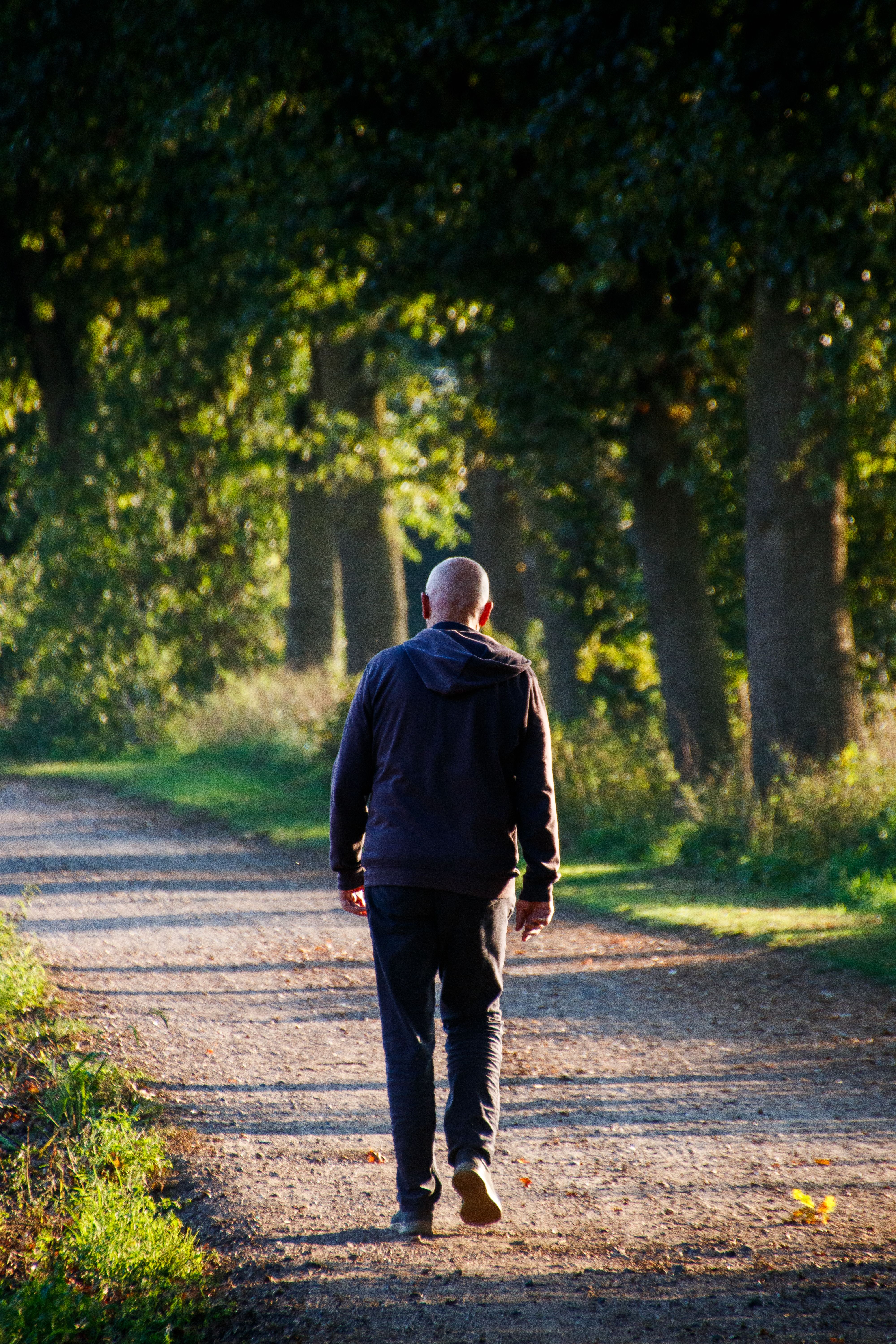
6. Walk Daily, Regardless of the Weather
Of all the habits on this list, walking has the strongest and most current scientific backing. A large 2025 study from the University of Sydney and Universidad Europea, published in the Annals of Internal Medicine, tracked more than 33,000 adults for about eight years. It found that people who walked continuously for 10 to 15 minutes at a stretch faced a major cardiovascular event risk of just 4 percent, compared with 13 percent for those whose longest daily walk lasted around five minutes.
Step count matters too, but the bar may be lower than commonly assumed. Research pooling data from 17 international studies found that even 4,000 steps a day was linked to a reduced risk of death, with every additional 1,000 steps associated with a further drop in risk. Walking outdoors, at a steady pace, and without constant distraction appears to offer the most benefit — a habit earlier generations practiced simply because it was the default way to get around.
.
7. Set Aside One Day for Rest
The idea of a weekly day of rest predates modern wellness culture by thousands of years, rooted in religious tradition. Even without a religious framework, a regular pause from work and obligations gives the body and mind time to recover, something increasingly recognized as necessary rather than optional in a culture of constant availability.
.
8. Repair Instead of Replace
Fixing what is broken, rather than automatically buying something new, is not always the cheaper option today — but it carries benefits beyond cost. Repairing an object requires attention, patience, and problem-solving. It shifts a person from being a passive consumer to an active participant in caring for what they own.
.
9. Make Family Meals Non-Negotiable
Eating together as a family may be one of the most under-appreciated tools for mental health. A landmark study from McGill University and Queen's University, based on more than 26,000 adolescents in Canada, found a clear pattern: more frequent family dinners were tied to fewer emotional and behavioral problems, greater emotional well-being, more trusting and helpful behavior, and higher life satisfaction. The effect held regardless of the teenager's gender, age, or family income.
Later research reinforced this link. A study following more than 2,500 children and adolescents over eight months found that those with no regular family meals faced a significantly higher risk of common mental disorders than those who ate together regularly, with the protective effect growing stronger when both breakfast and dinner were shared.
.
10. Make Room for Silence
Constant background noise — music, podcasts, notifications — has become the default for many people. Yet research suggests that regular quiet time supports both the brain and the nervous system. A frequently cited 2013 animal study found that two hours of silence stimulated new cell growth in the hippocampus, the brain region tied to memory and emotion. Human-focused research points to similar patterns: quiet, undistracted time is associated with lower stress hormone levels, better focus, and improved emotional regulation.
None of this requires giving up technology or modern conveniences. The people who benefit most from these habits are often those who blend the two worlds deliberately — using modern tools without letting them replace the slower, simpler practices that build resilience and connection. Adopting even two or three of these habits is unlikely to feel old-fashioned for long. It will likely just feel like a better way to live.
.
What's Your Reaction?
 Like
0
Like
0
 Dislike
0
Dislike
0
 Love
0
Love
0
 Funny
0
Funny
0
 Wow
0
Wow
0
 Sad
0
Sad
0
 Angry
0
Angry
0
















Comments (0)