

Xi Jinping Marks 105 Years of Communist Rule, Doubles Down on Taiwan Claims
China's Communist Party celebrated its 105th anniversary on Wednesday with a speech by leader Xi Jinping, who called on the party to adapt to changing times while tightening its grip on power. Xi also renewed threats toward democratically governed Taiwan, prompting a sharp rebuke from Taipei.

.
A Show of Power in Beijing
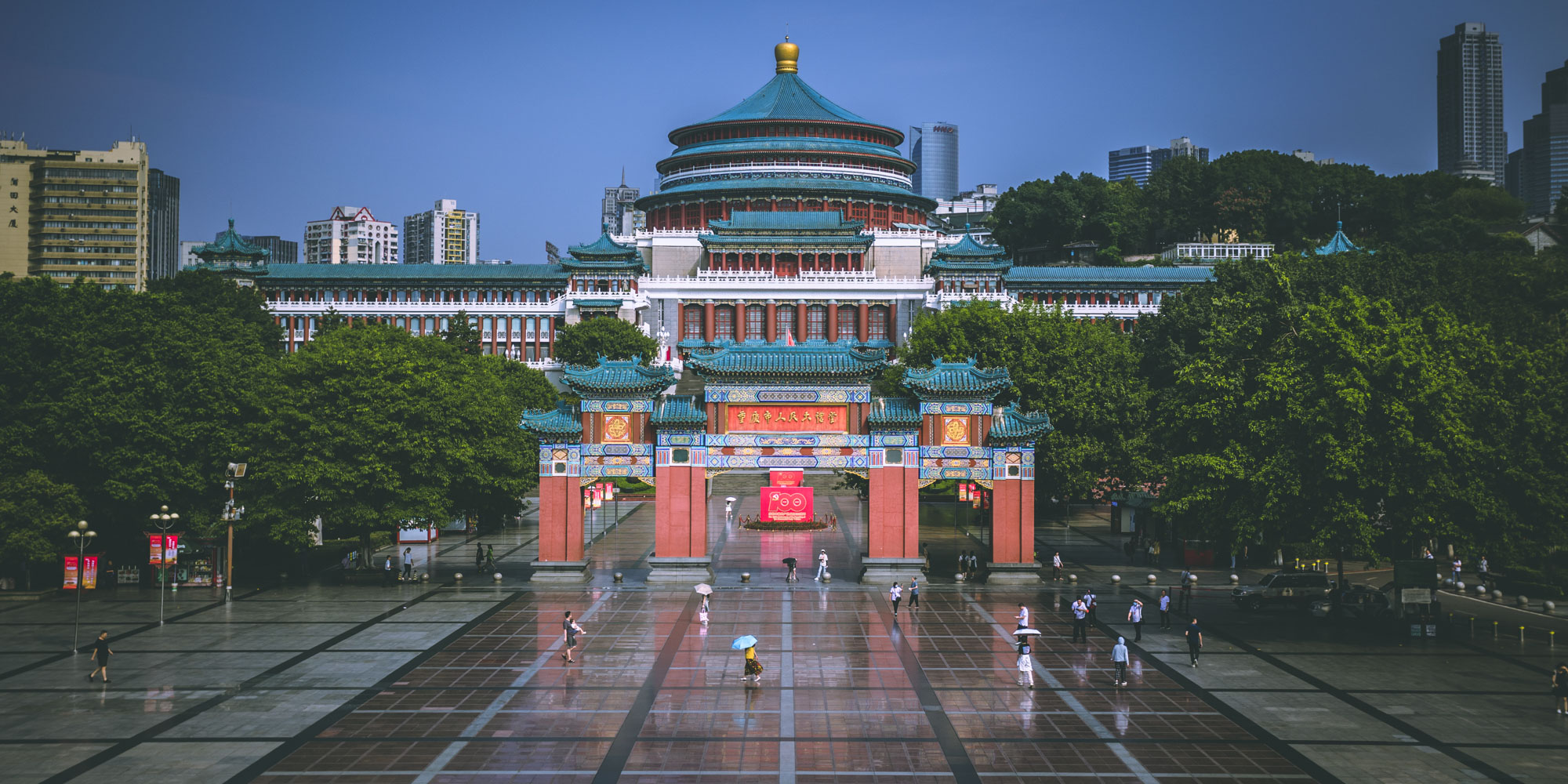
China's Communist Party marked its 105th founding anniversary on Wednesday with a lengthy address by President Xi Jinping at the Great Hall of the People in Beijing. During the 40-minute speech, Xi struck a notably more outward-looking tone than in his previous anniversary speeches, which had typically focused on domestic development.
Xi projected strong confidence in the party's standing, both at home and on the world stage. He reviewed the party's history and summarized what he described as the key factors behind its success, including strict internal discipline.
The party, founded in 1921 by a small group of revolutionaries, now claims more than 100 million members — roughly 7.2 percent of China's population. According to state news agency Xinhua, its stated ambition is to become the world's "most powerful" political party, a step up from its current self-description as merely the "largest."
.
Adapt — But Never Loosen the Grip
Xi told party cadres that China's development currently sits at a crossroads where "strategic opportunities, and risks and challenges, coexist." He called for better coordination between domestic and international priorities, though he did not name specific threats.
Independent analysts point to slower economic growth and an aging population as the country's most pressing challenges. Externally, Beijing continues to face Western technology restrictions and unsettled trade relations with the United States.
Notably absent from Xi's remarks was any concession to political pluralism. Instead, he called on members to purge anything he considers harmful to the party's "purity," describing internal dissent in stark terms as "viruses that erode the party's healthy body." Language of this kind echoes the party's long-running campaigns against groups and individuals it considers ideologically threatening — including the continued persecution of Falun Gong practitioners, a peaceful spiritual movement that Beijing has targeted since 1999 in one of the most sustained human rights crackdowns of the reform era.
.
A Decade of Purges
Since taking power in 2012, Xi has systematically dismantled internal rivals through a sweeping anti-corruption campaign, investigating millions of officials and purging hundreds, including senior military generals. Reuters reporting from earlier this year found that the campaign has taken a measurable toll on the military's command readiness.
The crackdown reached deep into the armed forces. After removing nearly all of its top-ranking generals on corruption charges, Xi in April sent surviving senior officers to a ten-week political re-education course, instructing them to pledge loyalty to the party's ideology, its organizational structure, and its broader mission.
Critics argue that these campaigns, while framed as anti-graft measures, also function as tools to eliminate political rivals and enforce ideological conformity — a pattern consistent with one-party rule that leaves little room for institutional checks or independent oversight.
.
Taiwan: Old Threats, New Tension
Xi reaffirmed Beijing's long-standing goal of "reunification" with Taiwan, calling for full implementation of the party's strategy toward the self-governed island. China claims Taiwan as its own territory, a position Taipei firmly rejects.
The reaction from Taiwan was swift and dismissive. Its Mainland Affairs Council, which sets China policy, said Xi was "basically repeating old talking points," and reiterated that Beijing should resolve differences through dialogue with Taiwan's democratically elected government — without preconditions.
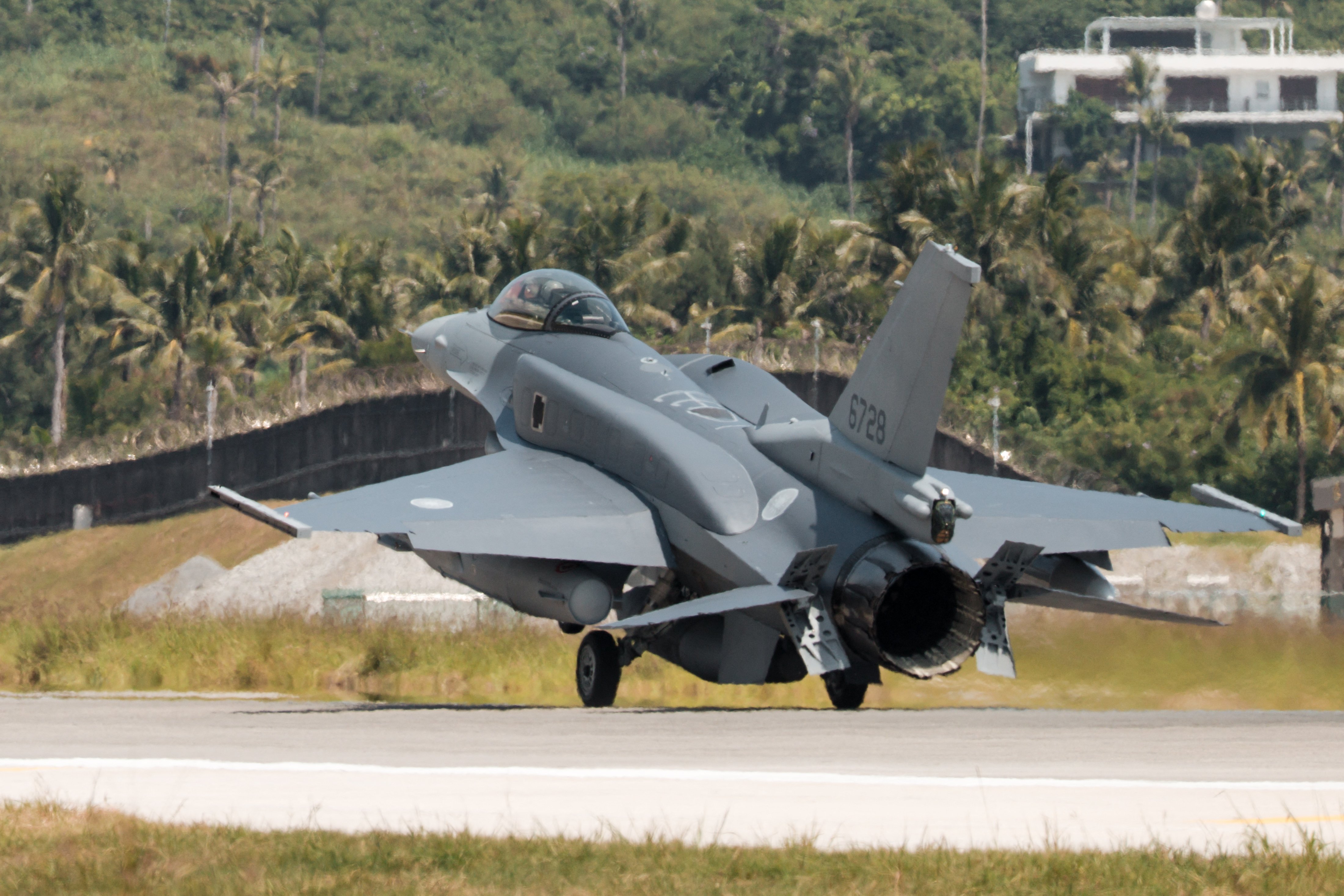
Beijing has never renounced the use of force to bring Taiwan under its control, and its military conducts near-daily operations around the island. Just last week, Taiwan carried out combat-readiness drills in direct response to escalating pressure from the mainland.
.
What Comes Next
Wednesday's speech offered no dramatic shift in strategy, but it reinforced two consistent themes of Xi's rule: tightening internal party control and refusing to soften Beijing's posture toward Taiwan. For Washington and its allies — including the Trump administration, which has pushed for a tougher, more clear-eyed approach to Beijing on trade and technology — the message is unlikely to be reassuring.
With slower growth at home and persistent friction abroad, Xi's call for the party to "adapt" appears less about political opening and more about ensuring the party's survival on its own terms. Whether that approach can sustain both economic momentum and the loyalty of a restless population remains one of the defining questions for China's next decade.
.
Sources
- Reuters — https://www.reuters.com/world/asia-pacific/chinas-xi-urges-ruling-communist-party-be-adaptable-safeguard-advances-2026-07-01/
- South China Morning Post — https://www.scmp.com/news/china/politics/article/3359003/xi-projects-confidence-chinas-communist-party-home-and-world-stage
- CNBC — https://www.cnbc.com/2026/07/01/china-xi-jinping-ccp-105th-anniversary-global-influence-taiwan.html
- Reuters (Hintergrund, Militärsäuberung) — https://www.reuters.com/world/china/china-military-purge-taking-toll-command-readiness-study-finds-2026-02-24/
- Reuters (Hintergrund, Taiwan-Bereitschaft) — https://www.reuters.com/world/china/taiwan-says-warning-time-any-china-attack-is-shortening-2026-06-24/
.
What's Your Reaction?
 Like
0
Like
0
 Dislike
0
Dislike
0
 Love
0
Love
0
 Funny
0
Funny
0
 Wow
0
Wow
0
 Sad
0
Sad
0
 Angry
0
Angry
0











Comments (0)