

Xi Holds Calls With Trump, Putin on Same Day for International Support Amid Military Purge: Analysts


.
Chinese Communist Party (CCP) leader Xi Jinping held rare same-day talks with both U.S. and Russian leaders on global issues and pledged to significantly increase purchases of U.S. agricultural products.
Analysts say Beijing’s move came amid fierce CCP infighting surrounding the recent takedown of top general Zhang Youxia, which reflects Xi’s attempt to leverage foreign relations to consolidate his power and gain international support, highlighting an internal power crisis.
The Chinese Ministry of Foreign Affairs announced that Xi held separate calls with Russian President Vladimir Putin and U.S. President Donald Trump on Feb. 4, inviting both of them to visit China.
According to Trump’s post, Xi promised to purchase 20 million tons of soybeans from the United States this quarter and another 25 million tons next quarter, far exceeding last year’s agreed-upon amount of 25 million tons annually. China will also increase its purchases of U.S. oil, natural gas, and aircraft engines.
Hours before the call with Trump, Xi held a video meeting with Putin at the Great Hall of the People in Beijing, discussing strengthening multilateral cooperation as permanent members of the U.N. Security Council.
Tang Jingyuan, a U.S.-based current affairs commentator, pointed out on his “Foresight” talk show that, according to the Ministry of Foreign Affairs’ statements, neither call was made at the request of the other party, “indicating that Xi Jinping initiated them.” He said he believes that it’s significant that Xi chose to talk to them on the same day—Trump as his biggest opponent and Putin as his biggest ally, both of whom can influence Xi’s power and position.
Unrest Caused by Removal of Top Generals
Tang said: “Xi offers huge purchases of American products to Trump, exchanging economic concessions for political returns such as Trump’s visit to China in April. Xi Jinping believed this would promote his international status, which could help stabilize his power domestically.”He said that Xi underestimated the backlash of his purge of Zhang, vice chairman of the CCP’s Central Military Commission, and Liu Zhenli, a member of the Central Military Commission and chief of the Joint Staff Department.
“People within the system are remaining silent and unsupportive” of Xi’s purge, Tang said.
On Jan. 24, the Chinese Ministry of National Defense announced that Zhang and Liu were removed from their military position and were under investigation for suspected serious violations of discipline and law.
On Feb. 4, the Standing Committee of the National People’s Congress (NPC) held a special meeting and subsequently issued an announcement revoking the NPC representative qualifications of three executives from state-owned military industrial enterprises. This announcement did not include the expected removal of Zhang’s and Zhenli’s representative qualifications. Tang pointed out that this is Xi’s second failed attempt to legitimize his purge of the two top generals, following the Politburo meeting at the end of January, as it didn’t follow the CCP’s internal procedures.
.
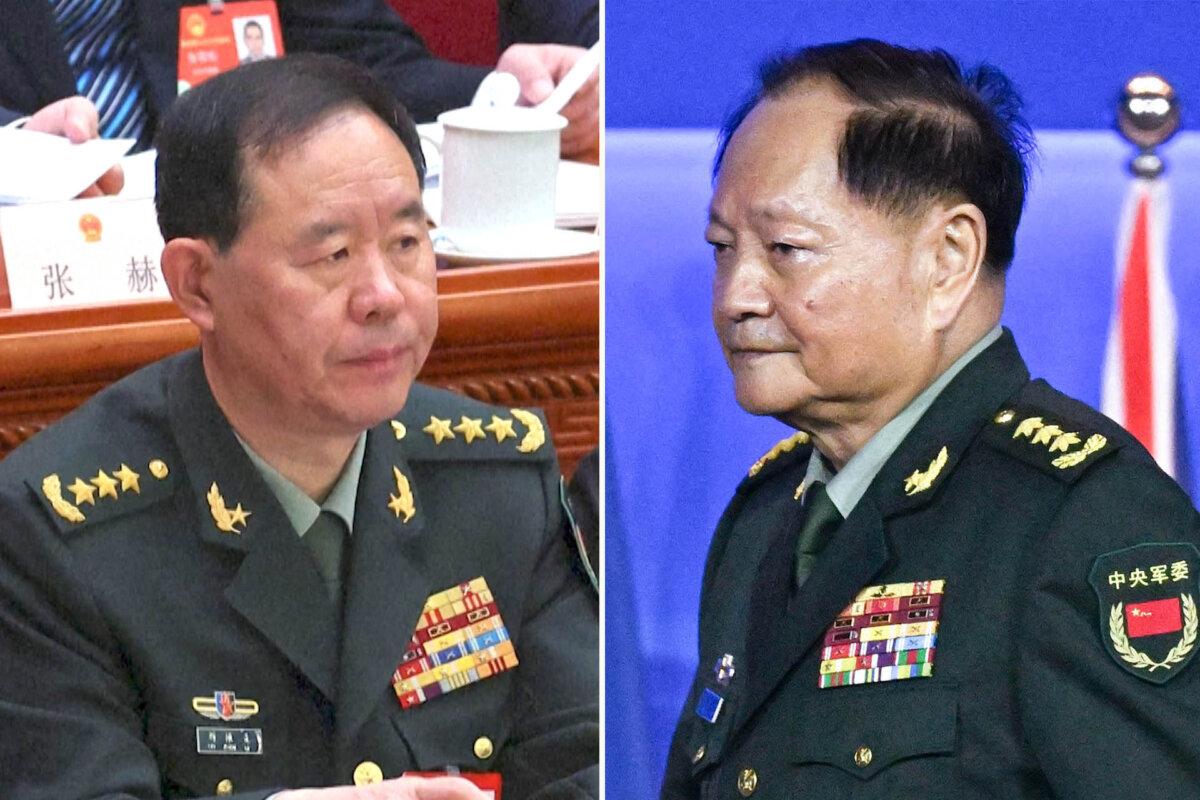
Tang said Xi’s invitation to Putin and Trump to visit China on the same day was aimed at leveraging the support of major foreign powers to boost his image and gain an advantage in the ongoing CCP infighting.
“This indicates an unstable internal situation,” requiring him to rely on foreign support to bolster his confidence, according to Tang.
“If Xi were truly secure in his position, he wouldn’t need to spend huge money to invite others to shore up his power,” he said.
The United States, Russia, and China seem to be the major players capable of dominating global affairs, and Beijing certainly wants to demonstrate its global strength, which is also closely related to the stability of Xi’s current regime, Lai Rongwei, Taiwanese researcher on international relations and CEO of the pro-democracy nonprofit Taiwan Inspirational Association, said of Xi’s calls on the same day.
No Policy Change
These calls were unlikely to include formal negotiations, and the outcome will likely be limited to expressing each other’s positions and ideas, Shen Ming-shih, research fellow at the Division of National Security Research at Taiwan’s Institute for National Defense and Security Research, said of Xi’s calls with Trump and Putin.“Most importantly, Xi Jinping needs to quickly call Trump after speaking with Putin to avoid any misunderstanding from Trump about whether China and Russia are colluding or planning something together,” Shen said.
The Chinese regime’s media reports certainly highlighted Xi’s status, “but he didn’t receive any commitments from the other side,” Shen said.
.
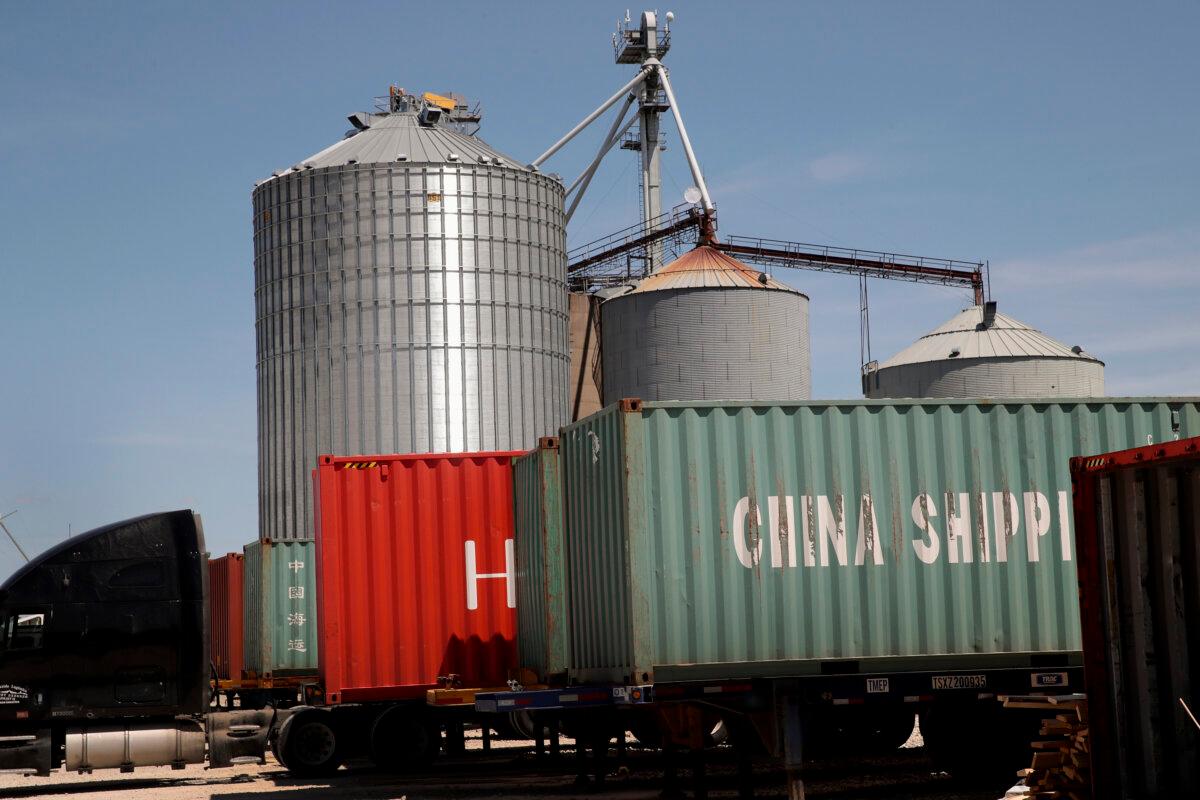
Trump agreeing to visit China doesn’t represent a change in U.S. policy toward China, he said.
“It’s merely a response to recent developments in China. Trump’s visit to China might focus on economic issues, tariffs, rare earths, etc,” Shen said.
What's Your Reaction?
 Like
0
Like
0
 Dislike
0
Dislike
0
 Love
0
Love
0
 Funny
0
Funny
0
 Wow
0
Wow
0
 Sad
0
Sad
0
 Angry
0
Angry
0















Comments (0)