

US Stands With Japan After China Targeted Japanese Aircraft With Radar


.
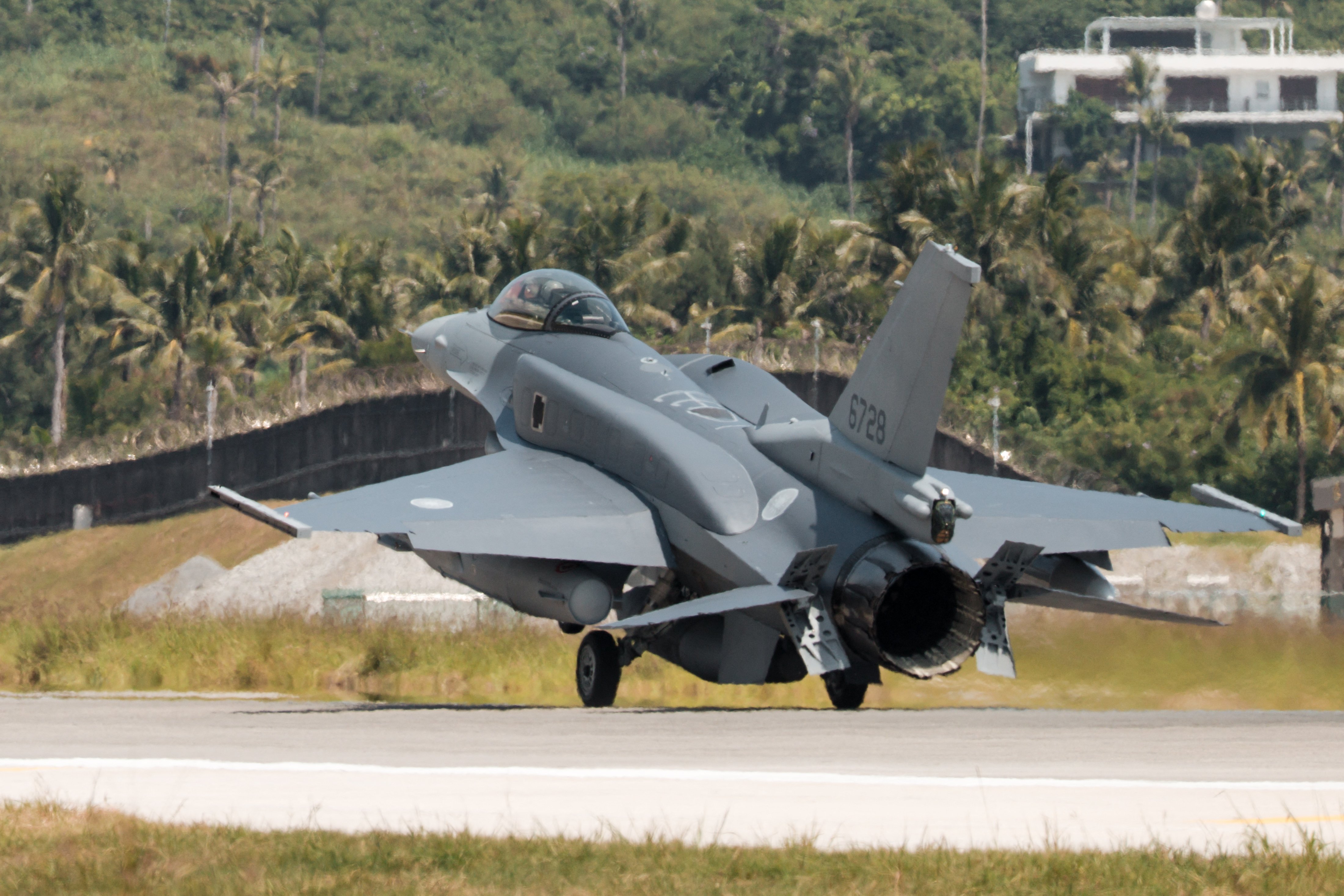
The United States has issued its first criticism of China after Chinese fighter jets intermittently locked their radar on Japanese military aircraft over international waters, an incident that has intensified tensions between the two Asian neighbors.
“The U.S.–Japan Alliance is stronger and more united than ever. Our commitment to our ally Japan is unwavering, and we are in close contact on this and other issues.”
The run-in happened over the high seas of Japan’s Okinawa Island and lasted about 30 minutes across two encounters on Saturday, according to the Japanese defense ministry.
Japanese Chief Cabinet Secretary Minoru Kihara welcomed the State Department’s comments, saying they “demonstrate the strong U.S.–Japan alliance.”
The Chinese regime has rebuffed Tokyo’s account of the incident. According to Chinese state-run media Xinhua, Wang Xuemeng, a spokesperson for the Chinese People’s Liberation Army Navy, said on Sunday that Japanese aircraft had repeatedly approached and harassed the Chinese navy as it was conducting carrier-based flight training east of the Miyako Strait.
The Chinese Communist Party (CCP) claims Taiwan as a part of its territory and has not ruled out using military force to take control of the self-governing island, which is located about 69 miles east of the Japanese island of Yonaguni.
“We stand together with democratic partners in opposing these actions & remain resolute in our determination to safeguard peace,” he said.
US Support
U.S. Ambassador to Japan George Glass has publicly expressed support for Japan in several social media posts in recent weeks. For instance, on Nov. 20, Glass reaffirmed U.S. support for Tokyo after China announced a ban on Japanese seafood.In the same post, Glass said the U.S. commitment to the U.S.–Japan alliance is reaffirmed in President Donald Trump’s newly released National Security Strategy, which describes alliances in the Indo-Pacific as the “bedrock of security and prosperity.”
The current U.S. baseline tariff on most Japanese imports is 15 percent, following a trade deal signed by the two sides in September.
“Providing tariff relief to Japan would also send a clear message that the United States rejects the normalization of Beijing’s coercive trade tactics and is prepared to back its allies when they are targeted for exercising their sovereign rights,” the two lawmakers wrote.
More Chinese coast guard vessels “patrolled” the waters of Japan-administered Senkaku Islands, which are known as Diaoyu Islands in China, on Dec. 10, according to China’s state-run media. Beijing carried out similar patrols of the waters on Nov. 15.
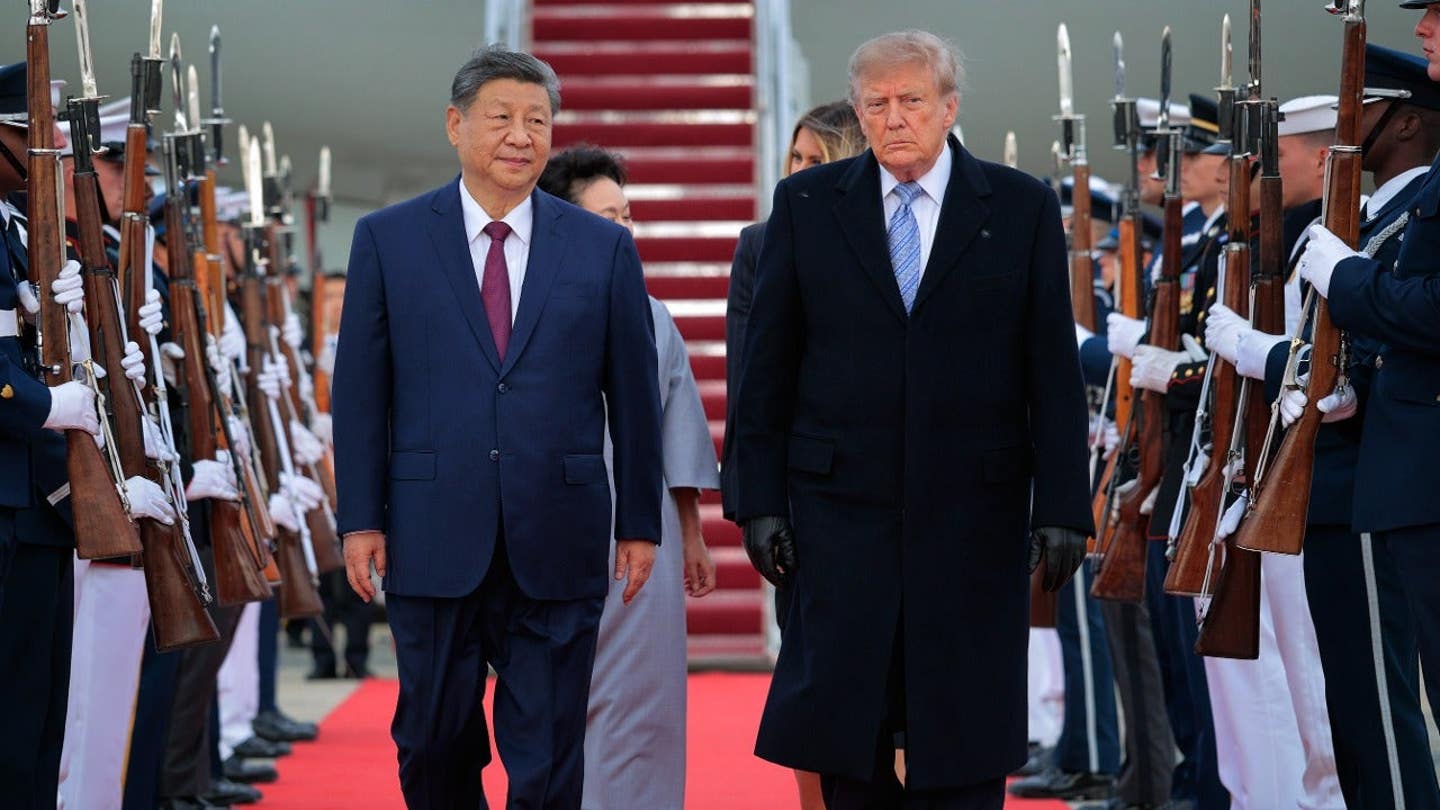
Trump, who met with Chinese leader Xi Jinping on the sidelines of the Asia-Pacific Economic Cooperation (APEC) summit in South Korea in October, is expected to visit China in April next year.
What's Your Reaction?
 Like
0
Like
0
 Dislike
0
Dislike
0
 Love
0
Love
0
 Funny
0
Funny
0
 Wow
0
Wow
0
 Sad
0
Sad
0
 Angry
0
Angry
0
















Comments (0)