

Pressure Mounts on EU to Push Beijing to Halt Russian Oil Imports


.
Amid U.S. criticism of Beijing’s Russian oil imports fueling Moscow’s war against Ukraine, the European Union is facing U.S. pressure to target China’s economy with tariffs while urging it to help bring an end to the war.
Russia’s war against Ukraine has been ongoing since its full-scale invasion in 2022.
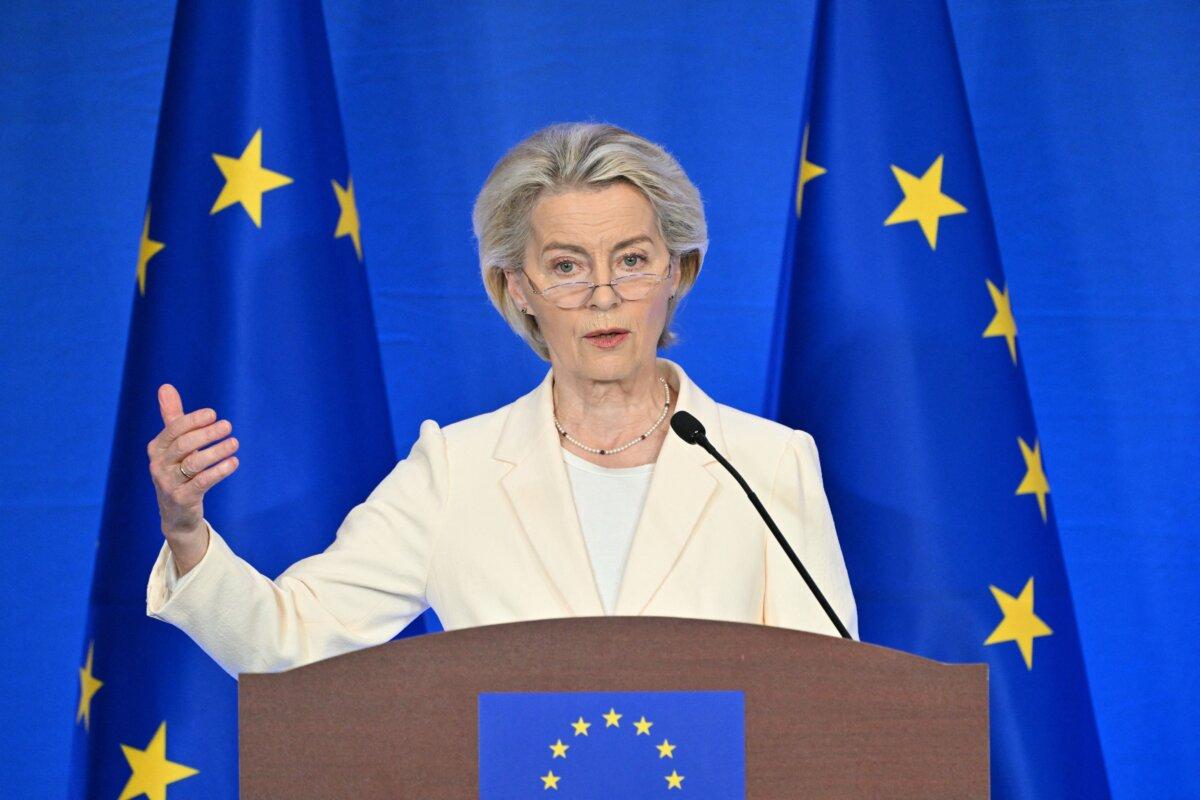
Von der Leyen told Li that Europe is committed “to cutting off the revenue streams that fuel Russia’s war” and expressed concerns over China’s trade practices, such as export controls, market access, and overcapacity.
She made the remarks in a statement released on Sept. 24 after holding a meeting with Li on the sidelines of the U.N. General Assembly in New York City.
While meeting with President Donald Trump on Sept. 24 at the U.N., von der Leyen said, “Trump is absolutely right” about the need for European countries to halt their Russian oil imports.
“China and India are the primary funders of the ongoing war by continuing to purchase Russian oil,” Trump said. “But inexcusably, even NATO countries have not cut off much Russian energy and Russian energy products,” he continued. “Think of it, they’re funding the war against themselves.”
Dennis Wilder, a senior fellow at Georgetown University’s Initiative for U.S.–China Dialogue on Global Issues, told The Epoch Times that Trump is “correct” in telling European countries to join the U.S. in pressuring China on its Russian oil imports.
He said that Russian President Vladimir “Putin’s actions are far more threatening to Europe than to the United States, and so Europe must shoulder the primary responsibility to finding a way to get Putin to the negotiating table.”
.
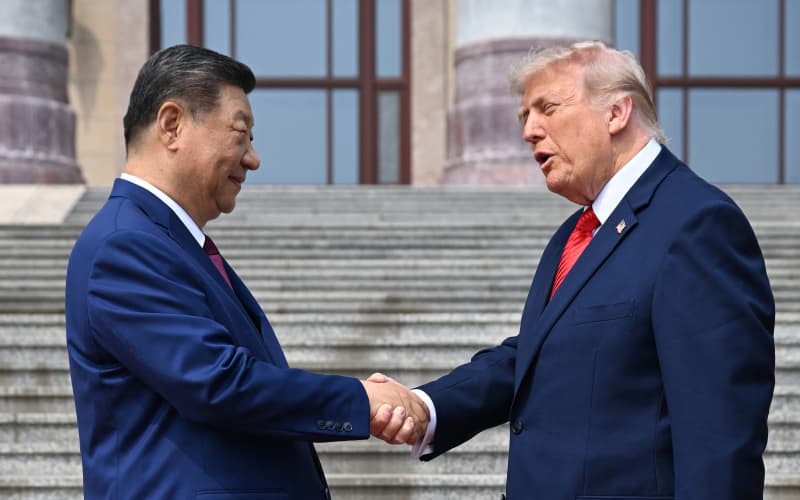
The United States held off putting additional tariffs on China even as it slapped an extra 25 percent tariff on India in August for its oil imports from Russia, bringing the total duties on Indian goods to 50 percent.
China is a major oil importer and the top buyer of Russia’s crude oil.
Following the pressure from Trump and Bessent before the U.N. gathering, the EU announced it is planning to impose sanctions on third countries for buying Russian oil, including China.
Wilder, who served as National Security Council director for China from 2004 to 2005, said Europe’s role in imposing sanctions on China is important and that the United States and Europe should coordinate imposing tough sanctions targeting China’s economy.
“U.S. sanctions without European support will be far less impactful on Beijing,” Wilder said.
“Larger sanctions that reduce China’s export earnings in the U.S. and Europe will erode the Chinese economy over time,” Wilder said. “The U.S. and Europe could also put heavier sanctions on China’s major banks, such as cutting off their access to the SWIFT system,” he continued.
The SWIFT system, or the Society for Worldwide Interbank Financial Telecommunication, is a global messaging system that facilitates financial transfers around the world. Several Russian banks were banned from the system shortly after Russia invaded Ukraine in 2022.
“Sanctions need to be high to change China’s approach to the Ukraine War. Jawboning and shaming have not worked. If the sanctions were comprehensive and involved all of the free world, there would be a chance of altering Chinese behavior. Otherwise, there will be little impact,” Wilder added.
.
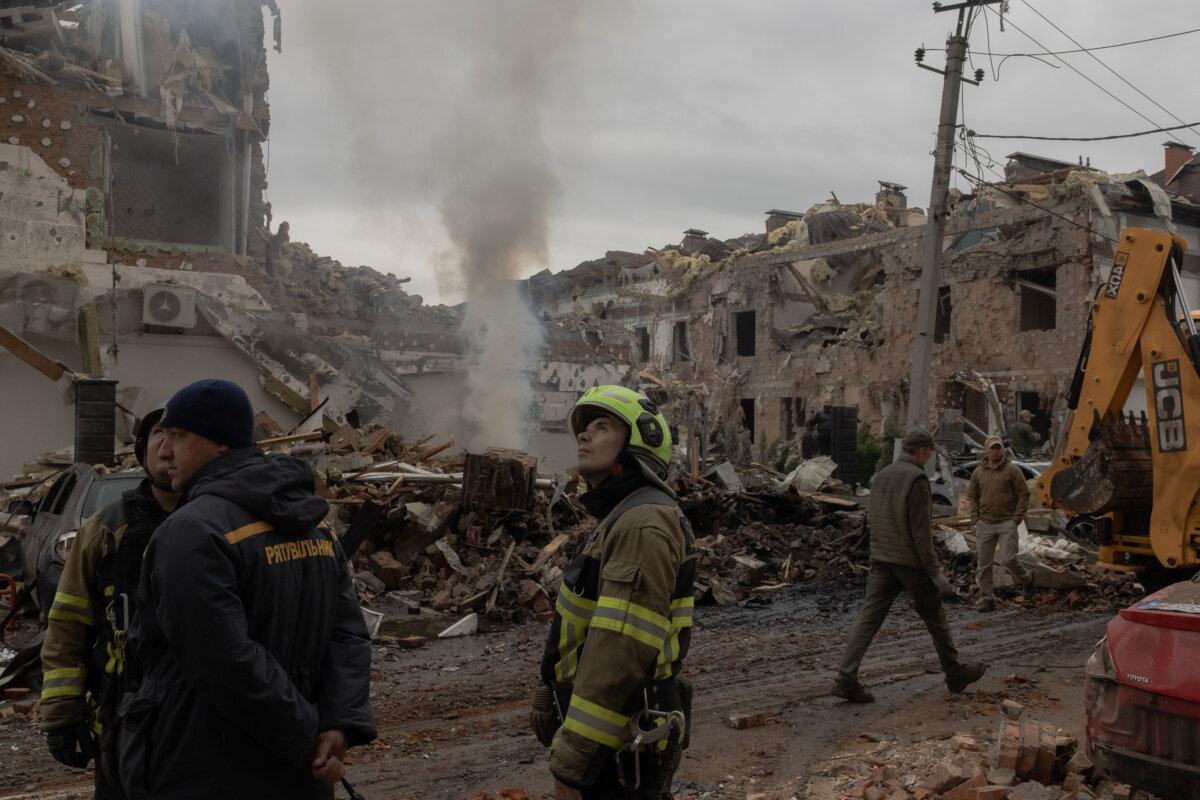
At the same time, the EU is planning to take new economic measures aiming to restrict Chinese products flooding Europe as concerns grow among its leaders over China’s surging exports creating trade imbalances between the two.
Thomas Duesterberg, a senior fellow at Hudson Institute, told The Epoch Times that European leaders seem to recognize the increasing need to apply economic pressure against China not only to protect their economy but to end the war that Russia has been waging against Ukraine.
“It’s become clearer and clearer that China is not only buying Russian oil and helping its economy, but it’s supplying Russia with technology and weapons to be used against Ukraine,” Duesterberg said. “So having Europe and the United States work together should have an impact on China and on the war in the Ukraine by weakening Russia.”
China is accused of supporting Russia’s military industrial complex by selling dual-use items that Moscow needs to make weapons.
“China will have to make a decision about where the balance of its interest is” as it sells “quite a bit more to Western countries than they do to Russia,” Duesterberg said. “China’s going to have to decide what sort of economic pain it’s willing to withstand to stand with Russia.”
.
What's Your Reaction?
 Like
0
Like
0
 Dislike
0
Dislike
0
 Love
0
Love
0
 Funny
0
Funny
0
 Wow
0
Wow
0
 Sad
0
Sad
0
 Angry
0
Angry
0














Comments (0)