

Kratom Poisonings Are Surging in America—And Doctors Say the Danger Is Just Beginning
Kratom, a plant-based supplement sold openly at gas stations and smoke shops, is sending a record number of Americans to poison control centers. New federal data show calls have jumped more than twelvefold in a decade, driven by a wave of highly concentrated products that behave less like herbal tea and more like opioids.

.
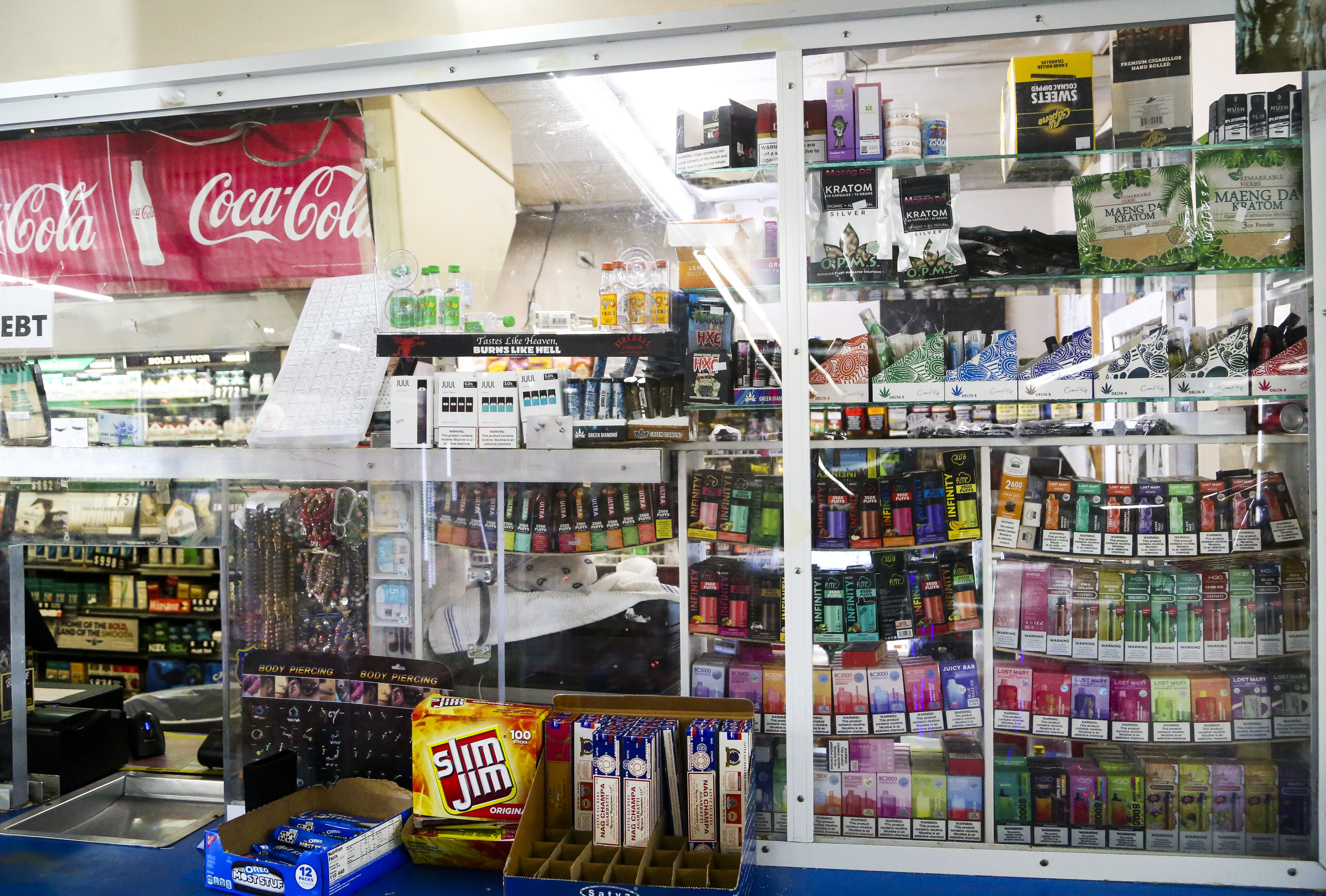
A Supplement Found Next to the Candy Aisle
Walk into almost any gas station in the United States and you may find kratom sitting on the shelf next to energy drinks and protein bars. It is legal in most states, sold without a prescription, and often marketed as a natural way to manage pain, anxiety, or low energy.
But a new analysis from the U.S. Centers for Disease Control and Prevention (CDC) tells a different story. Between 2015 and 2025, kratom-related exposure reports to poison control centers increased by roughly 1,200%, reaching record levels in 2025. The figures come from the National Poison Data System, which tracks calls from poison centers across the country.
The rise was not gradual. Single-substance exposure reports had largely leveled off in recent years, but both single- and multiple-substance reports increased sharply in 2025. Researchers point to one likely cause: a new generation of far more potent kratom products.
From Herbal Tea to Concentrated Opioid-Like Extracts
Traditionally, kratom comes from the dried, crushed, or brewed leaves of Mitragyna speciosa, a tree native to Southeast Asia. For generations, it has been used there for pain relief and to ease fatigue.
That is no longer the product showing up on American shelves. Kratom in the U.S. has shifted from traditional leaf preparations toward a fast-growing commercial market of powders, tablets, gummies, and concentrated energy shots.
The real concern lies in one specific compound: 7-hydroxymitragynine, known as 7-OH. Researchers describe 7-OH as a mu-opioid receptor agonist that is marketed as kratom but is chemically distinct from traditional kratom leaf, and its emergence has prompted the FDA to call for regulatory action targeting these products specifically.
In plain terms: 7-OH acts on the brain similarly to prescription opioids or morphine, but it is sold in gas station gummies and shots, often with little indication of just how strong it is.
State-level data mirrors the national trend. In Washington, poison center staff report that roughly one-third of kratom-related calls in 2025 involved 7-OH extracts specifically, and that exposures there had held relatively steady for years before rising sharply starting in April 2025.
Who Is Getting Hurt
The CDC analysis found the increase was not limited to any one age group. Most exposure reports involved men and adults between 20 and 39, but the sharpest increases were seen among adults aged 40 to 59, suggesting the products are reaching a broader range of people than before.
The consequences go beyond a phone call to a poison center. According to reporting on the CDC findings, hospitalizations linked solely to kratom rose more than 1,150% over the decade, climbing from 43 cases in 2015 to 538 in 2025, while hospitalizations involving kratom combined with other substances rose nearly 1,300%, from 40 to 549 cases.
Deaths are rarer, but the data on fatal cases is telling. Of the kratom-associated deaths recorded over the past decade, about 79% involved multiple substances, with opioids present in 62% of fatalities, followed by benzodiazepines, stimulants, and alcohol.
That pattern matters. Kratom on its own can be risky, especially in concentrated form—but mixed with other depressant drugs or alcohol, the danger multiplies. Combining substances that all slow breathing and heart rate can quickly turn a manageable dose into a medical emergency.
Researchers also flagged a mental health dimension to the surge. Some of the calls to poison centers were not accidental. Reporting on the same CDC study noted that about half of the exposure reports were considered intentional misuse or suspected suicide attempts.
The study's lead author put the pattern plainly. Christopher Holstege, an emergency medicine and pediatrics professor at the University of Virginia School of Medicine, said kratom-related adverse effects are increasing in both number and complexity, driven by rising use, high-potency products, and frequent exposure involving multiple substances at once.
Why More People Are Trying It
Kratom's popularity did not grow by accident. Government survey data cited alongside the CDC report show that lifetime use among Americans aged 12 and older grew from about 4 million people to 5 million by 2023, indicating that more people are trying the substance.
Part of the appeal is how it is sold: as a "natural" supplement, often displayed alongside vitamins and energy products rather than behind a pharmacy counter. For people struggling with chronic pain, anxiety, or trying to wean off opioids or other drugs on their own, that framing can make kratom feel like a safer, more accessible option than a prescription.
The trouble is that "natural" does not mean "standardized." Because kratom is sold as a supplement rather than a regulated drug, manufacturers are not required to disclose exact concentrations of mitragynine or 7-OH in their products. Two products labeled similarly can have very different strengths—leaving users to guess at a dose that, in concentrated form, behaves like a potent opioid.
A Regulatory Gray Zone
Kratom's legal status in the U.S. remains unsettled. It is not currently controlled at the federal level. The Drug Enforcement Administration proposed placing kratom's primary alkaloids in Schedule I back in 2016 but withdrew that proposal after pushback, and kratom remains unscheduled under the Controlled Substances Act today.
That has left oversight to individual states, creating a patchwork of rules. Some states have banned kratom outright, while others allow it with restrictions such as age limits or labeling requirements. Regulators have increasingly focused their attention specifically on 7-OH rather than traditional kratom leaf. The FDA said last summer that it would seek to have 7-OH—though not whole leaf kratom—classified as a Schedule I controlled substance.
State health agencies are also sounding the alarm independently. Texas health officials, for instance, reported that as of late August 2025, the state's poison center network had logged 192 exposures involving kratom or 7-OH products that year, compared with 107 for all of 2024, and specifically warned residents to avoid products containing concentrated 7-OH.
The regulatory debate is not without controversy. Some advocacy groups and researchers argue that outright bans could push people back toward more dangerous prescription opioids or illicit drugs, particularly those using kratom to manage chronic pain or withdrawal. Others argue that leaving high-potency 7-OH products essentially unregulated is a public health failure that is only getting worse.
What Comes Next
For now, kratom sits in a familiar but uncomfortable place in American consumer culture: legal, unregulated, and increasingly linked to hospitalizations and, in rarer cases, death—especially when combined with alcohol, opioids, or other medications.
Health officials are not necessarily arguing that every kratom product is dangerous. The concern is more specific: concentrated 7-OH products, often marketed under the same "natural remedy" branding as traditional kratom leaf, appear to carry a substantially higher risk—one that most casual buyers picking a gummy off a convenience store shelf have no way of recognizing.
Whether that leads to new federal restrictions on 7-OH, tighter state-by-state rules, or continued gray-zone status remains an open question. What is no longer in question, according to the CDC's own data, is that the number of Americans ending up in poison centers and hospitals because of these products is rising fast—and shows no sign of slowing down.
If you or someone you know is struggling with substance use or dependence, the SAMHSA National Helpline (1-800-662-4357) offers free, confidential support 24/7.
.
Sources
- CDC Morbidity and Mortality Weekly Report – "Increases in Kratom-Related Reports to Poison Centers — National Poison Data System, United States, 2015–2025": https://www.cdc.gov/mmwr/volumes/75/wr/mm7511a1.htm
- Deseret News – "Kratom poison control calls up dramatically in last 11 years: CDC": https://www.deseret.com/lifestyle/2026/03/27/kratom-poison-control-calls-centers-disease-control-prevention-cdc-uva-utah/
- ScienceDaily (University of Virginia Health) – "Kratom cases are exploding across the U.S. and doctors are alarmed": https://www.sciencedaily.com/releases/2026/03/260330233401.htm
- Pain News Network – "Calls About Kratom to U.S. Poison Control Centers Surge": https://www.painnewsnetwork.org/stories/2026/3/26/calls-about-kratom-to-us-poison-control-centers-surge
- Washington Poison Center – "Kratom and 7-hydroxymitragynine poisoning": https://www.wapc.org/insights/kratom/
- Texas Department of State Health Services – "Serious Illnesses Associated with 7-OH Use": https://www.dshs.texas.gov/news-alerts/serious-illnesses-associated-7-oh-use
.
What's Your Reaction?
 Like
0
Like
0
 Dislike
0
Dislike
0
 Love
0
Love
0
 Funny
0
Funny
0
 Wow
0
Wow
0
 Sad
0
Sad
0
 Angry
0
Angry
0















Comments (0)