

Keeping Core Body Temperature Warm Is Key, Expert Shares a Master Tip

.
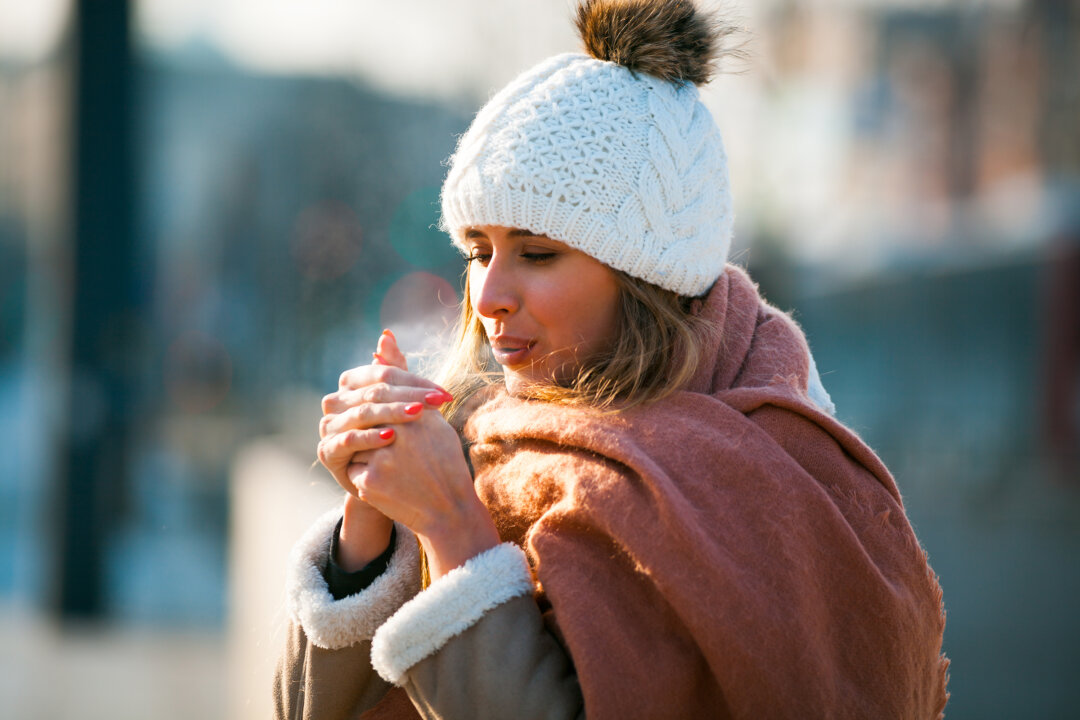
Learn why keeping your core warm is important and how base layers, mid-layers, and outer shells work together to trap body heat in freezing temperatures.
Freezing temperatures can chill you to the bone when enjoying outdoor recreation or simply spending time outside. And that means looking for ways to stay warm and comfortable.
There’s a science behind properly bundling up. Just throwing on your heaviest coat only keeps you warm momentarily, like when running out to grab the mail. Otherwise, frigid air will penetrate the coat quickly, making you shiver as you walk the dog or participate in outdoor activities.
People quickly lose body heat when temperatures drop. The key to retaining warmth lies in two main strategies: keeping your torso warm and creating layers of warm air around your body.
.
How the Cold Affects the Body
In cold weather, your body protects itself by increasing blood flow to your torso. This maintains your core body temperature and keeps your vital organs warm so they function properly. Consequently, there is less blood flow to the skin, so your limbs lose warmth more easily.However, keeping your torso at the right temperature also helps blood circulation in your arms, legs, hands and feet.
Some cultures even wear core warmers as part of cold weather attire. Known as a “Haramaki” in Japan, a waist wrap helps retain warmth indoors before turning up the thermostat.
However, when heading outside, a coat alone only provides short-term warmth. It creates a thin layer of warm air around your body. But as you move, that air layer grows uneven. The areas on your body where the warm air layer becomes thinnest or diminishes will become chilled.
The more active you are, the more heat your body generates, Taylor Fox, field representative for The Tennessee Wildlife Federation, who often leads group outings in all weather conditions, including camping during the coldest days in winter, told The Epoch Times. Too much activity makes you perspire to cool off, he added.
This is why people end up unbuttoning heavy coats when they overheat and sweat. Getting chilled from sweat on the skin will lower your body temperature further.
This is another reason to master the art of layers.
.
The Master Layering Plan
Outdoor experts like skiers, hikers, and wildlife specialists agree—layering properly with the right garments is the way to go.For cold conditions, Mr. Fox recommends a three-layer system: a base layer, a middle layer, and then an outer layer.
“A lot of people overlook the mid-layer,” Mr. Fox said. “For anyone, especially those that enjoy time in the outdoors in colder climates, the mid-layer is important because it traps your body heat,” he added. You need a base layer touching your skin to keep it dry and warm, a middle insulating layer for warmth, and an outer protective shell.
The Base Layer
It covers your skin as the first line of defense. Thermal underwear and compression wear that fits snugly helps retain warmth. Merino wool is a popular insulator and is naturally wicking, (draws moisture from your skin), and other synthetic wicking materials work great in keeping your skin dry. Stay away from cotton, if it gets damp with sweat, it will stay against your skin, Mr. Fox said.Your socks are very important, he added. Wear wool or a wool blend to pull any moisture away from your feet. (This will also help to prevent blisters.) If it’s extremely cold, wear two pairs of socks, a thin sock underneath a thicker wool sock, Mr. Fox noted.
The Middle Layer
Then the next layer of clothes is all about added warmth, without restricting movement from excessive bulk, according to Mr. Fox.Down or fleece jackets allow movement while providing insulation without excessive bulk. This breathable layer is not waterproof and it needs to be breathable so sweat can evaporate.
The Outer Layer
The outer layer is your shield against icy wind, rain, and snow. Waterproof/water-resistant materials prevent from building up. Account for climate and planned activity when selecting coat style and length.As for the fit of the outer layer, leave enough room underneath for layering clothes, but don’t size it so loose that cold air circulates freely.
Footwear
Before buying your winter shoes or boots, wear your winter socks when trying them on, Mr. Fox said. You need a good fit to ensure stability when walking, especially on a windy day.Make sure that your boot has insulation for overall warmth. Insulation, waterproofing, and a sturdy sole also help prevent slips.
Hats, gloves and neck warmers complete your cold weather musts as they cover exposed skin, adding protection from wind and sunburn.
.
What's Your Reaction?
 Like
0
Like
0
 Dislike
0
Dislike
0
 Love
0
Love
0
 Funny
0
Funny
0
 Wow
0
Wow
0
 Sad
0
Sad
0
 Angry
0
Angry
0













Comments (0)