

How Probiotics Can Make Us Feel Worse
How Probiotics Can Make Us Feel Worse - Experts often tout probiotics as knights in shining armor when it comes to gut health. But too much of a good thing can add fuel to the fire.

How Probiotics Can Make Us Feel Worse
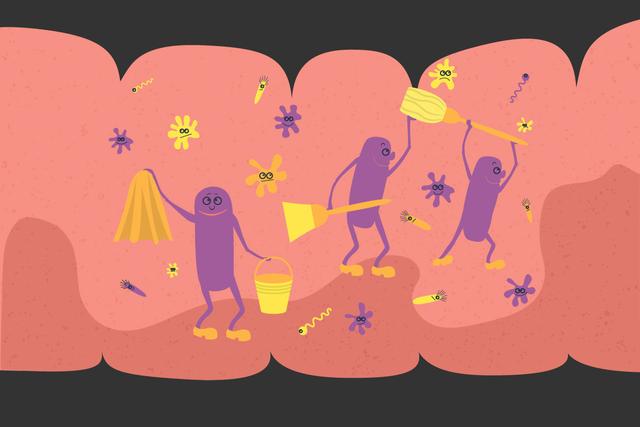
The gut is a bustling metropolis where trillions of bacteria keep the body humming. But when a villain—in the form of probiotics—invades, this once harmonious gut community can spiral into turmoil.
Brain fog descends, stomachs ache, and we dash to the bathroom as probiotics wreak havoc.
How Probiotics Can Fuel Gas, Bloating, and Brain Fog
Probiotics, often considered a remedy for gut health, can ironically hurt various aspects of digestive well-being.Small intestinal bacterial overgrowth (SIBO) occurs when excessive bacteria invade the small intestine, which usually contains fewer bacteria than the large intestine. This uninvited bacterial army can cause gas, bloating, and abdominal discomfort.
Dr. William Davis, a cardiologist, microbiome researcher, and bestselling author of “Wheat Belly,” suggested SIBO occurs when there is an overgrowth of fecal microbes, such as E. coli, in the small intestine. It is usually harmless in the large intestine. But when fecal bacteria is ingested—like when a restaurant worker doesn’t wash their hands before preparing food—and travels to the stomach and small intestines, it can cause diarrhea, cramping, and eventually, SIBO.
Adding probiotics to an intestine with excessive bacteria can tip gut health over the edge.
“If you have SIBO and you take a commercial probiotic, what are the chances you’ll get better?" Dr. Davis asked. "Not likely." He mixes up batches of his homemade yogurt to support gastrointestinal health.
Alternative Methods for a Healthy Gut
The U.S. Food and Drug Administration (FDA) may regulate probiotics as a dietary supplement, food ingredient, or drug, depending on how the probiotic is marketed, according to the National Center for Complementary and Integrative Health. If a probiotic is sold as a drug for disease treatment, then it must meet stricter requirements and be proven safe and effective through clinical trials. If it is sold as a supplement, which is often the case, prior FDA approval is not required.Spore-Forming Probiotics
New research highlights soil-based, also known as spore-forming, probiotics as a promising alternative to traditional Lactobacillus probiotics commonly found on store shelves. According to Dr. Myers, these spore-based probiotics are superior and better tolerated by those with SIBO.Historically, people consumed naturally occurring spore probiotics by eating fermented foods and raw vegetables.
Herbal Allies: Marshmallow Root, Licorice Root, and Slippery Elm
Although a 2023 Microorganisms study discusses the general health benefits of Lactobacillus probiotics, it also notes the advantages of traditional herbs for stomach issues. Herbs like marshmallow root, licorice root, and slippery elm have soothing properties that can help conditions like intestinal permeability, otherwise known as leaky gut. These healing herbs are often found in teas and other herbal products.Gut-Healing Smoothie Recipe
Mr. Axe recommends a smoothie recipe containing anti-inflammatory and gut-soothing ingredients to support gastrointestinal health.Ingredients
1 to 2 cups full-fat coconut milk or almond milk 2 cups kale 2 cups spinach ½ avocado 2 frozen bananas, cut into chunks 1 teaspoon freshly grated ginger ½ tablespoon chia or flax seeds ½ tablespoon bee pollen 1 tablespoon hemp hearts 1 tablespoon raw honey or Manuka honey 2 tablespoons collagen protein or whey proteinDirections
Place all ingredients in a blender and blend on high until smooth (about 2 to 3 minutes). Serve over ice.What's Your Reaction?
 Like
0
Like
0
 Dislike
0
Dislike
0
 Love
0
Love
0
 Funny
0
Funny
0
 Wow
0
Wow
0
 Sad
0
Sad
0
 Angry
0
Angry
0














Comments (0)