

Effective Remedies for Heatstroke and Cooling Foods to Beat the Summer Heat


.
In the “Health 1+1” program, Chen Junru, director of the Wonderful TCM Clinic in Taiwan, discussed ways to prevent and treat heatstroke, as well as foods that can help cool the body.
Progression of Heatstroke: Symptoms and Causes
According to Chen, heatstroke progresses through three stages, ranging from mild to severe.Heat Cramps
- Symptoms: Involuntary muscle contractions that cause pain, lasting from one to three minutes. Common areas include the thighs, calves, arms, and abdomen, creating a sensation of muscle tightness or spasms.
- Cause: Prolonged physical activity in a hot and humid environment without adequate hydration leads to excessive sweating, which results in electrolyte loss and imbalance, triggering muscle cramps.
Heat Syncope (Fainting)
- Symptoms: Dizziness, nausea, and temporary loss of consciousness.
- Cause: Prolonged standing in a hot environment. To regulate body temperature, blood vessels near the skin expand to release heat, causing blood redistribution. This can result in a significant amount of blood pooling in the limbs, reducing blood flow to the brain and causing fainting.
Heat Exhaustion
- Symptoms: Profuse sweating, fatigue, overall weakness, and shortness of breath.
- Cause: Excessive sweating without sufficient replenishment of fluids or electrolytes can lead to circulatory failure if left untreated.
TCM Classification of Heatstroke
From the perspective of Traditional Chinese Medicine (TCM), Chen said, heatstroke can be classified into two types, each with different causes.Yin Heatstroke
This type of heatstroke does not result from direct sun exposure but is more common among office workers who spend most of their time indoors. People who are rarely exposed to sunlight and frequently stay in air-conditioned environments may develop heatstroke when transitioning to hot, non-air-conditioned settings.Yang Heatstroke
This type of heatstroke typically occurs after prolonged exposure to intense sunlight without adequate hydration. It is common among those who work in high-temperature environments, including soldiers, laborers, farmers, athletes, and workers in confined spaces like sewers or underground tunnels.Groups at Higher Risk of Heatstroke
The following groups are more vulnerable to heatstroke, according to Chen:- Elderly and Young Children: Limited physical activity weakens the body’s ability to regulate temperature.
- People With Chronic Diseases: Conditions such as heart disease, diabetes, and obesity can impair heat dissipation and slow temperature regulation.
- Pregnant Women: Increased fluid and nutrient demands during pregnancy make the body more sensitive to high temperatures.
- Outdoor Workers: Construction workers, traffic officers, farmers, and others who spend long hours in the heat often forget to stay hydrated.
- Athletes: Intense physical activity in hot conditions generates excess body heat, increasing the risk of heatstroke.
- Those Unaccustomed to Hot Climates: Travelers or people who are new to tropical regions may struggle to adapt to high temperatures.
- People Who Drink Alcohol or Take Certain Meds: Alcohol and some medications can interfere with the body’s ability to regulate temperature.
Effective Ways to Relieve Heatstroke
If signs of heatstroke occur, Chen recommends the following methods to lower body temperature and alleviate symptoms:Immersing the Body in Cold Water
Submerging the body in cold water or taking a cool shower can help lower skin temperature and, in turn, reduce core body temperature. However, if the person is weak or experiencing muscle spasms, do not force movement; instead, use other cooling methods.Cooling with Water and Air
After removing excess clothing, lightly apply cold water over the body and use a fan or manual fanning to accelerate heat dissipation.Applying Ice Packs
Apply ice packs to areas where major blood vessels run close to the skin, such as the armpits, neck, behind the knees, and wrists.Staying Hydrated
Drink plenty of water, as urination helps the body expel excess heat.Performing Acupressure
According to TCM, meridians are the channels through which energy flows in the human body. The internal organs are connected to the body’s surface through these meridians. Along the meridians are specific points known as acupoints, which possess unique functions. By stimulating the corresponding acupoints through techniques like acupuncture and massage, it is possible to treat diseases related to specific organs.

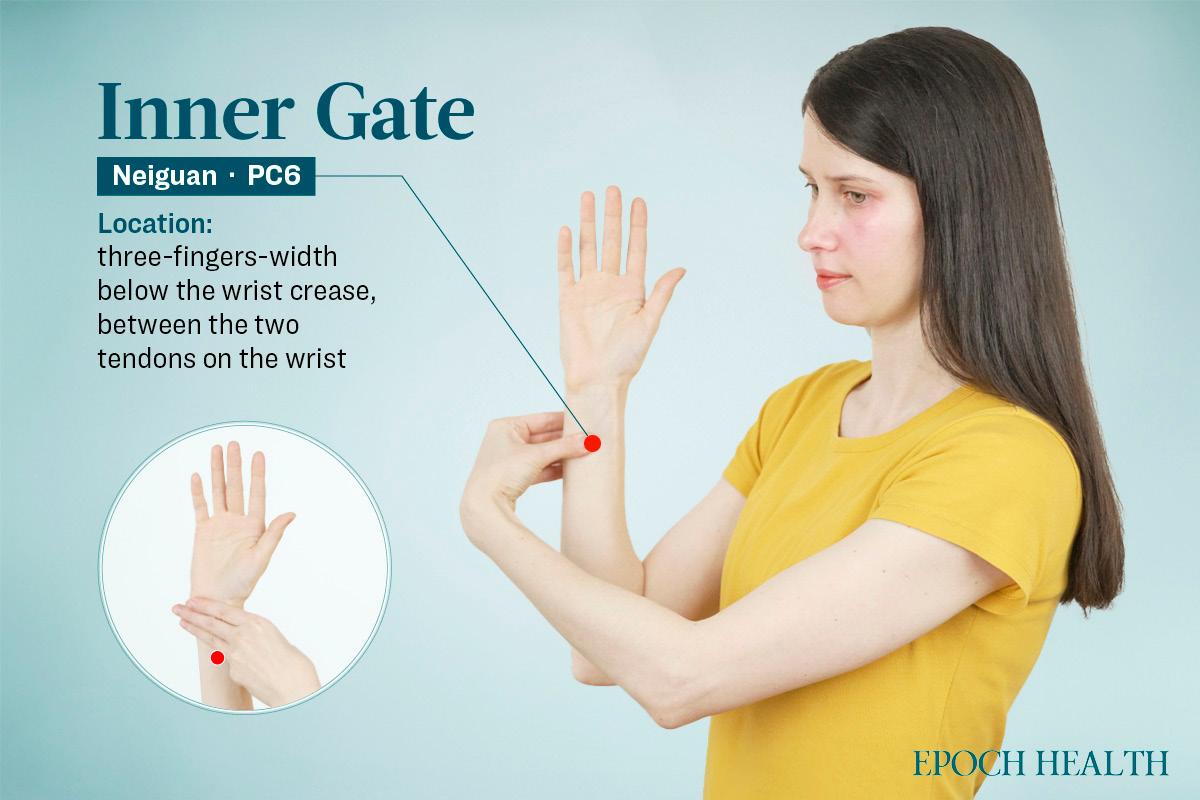
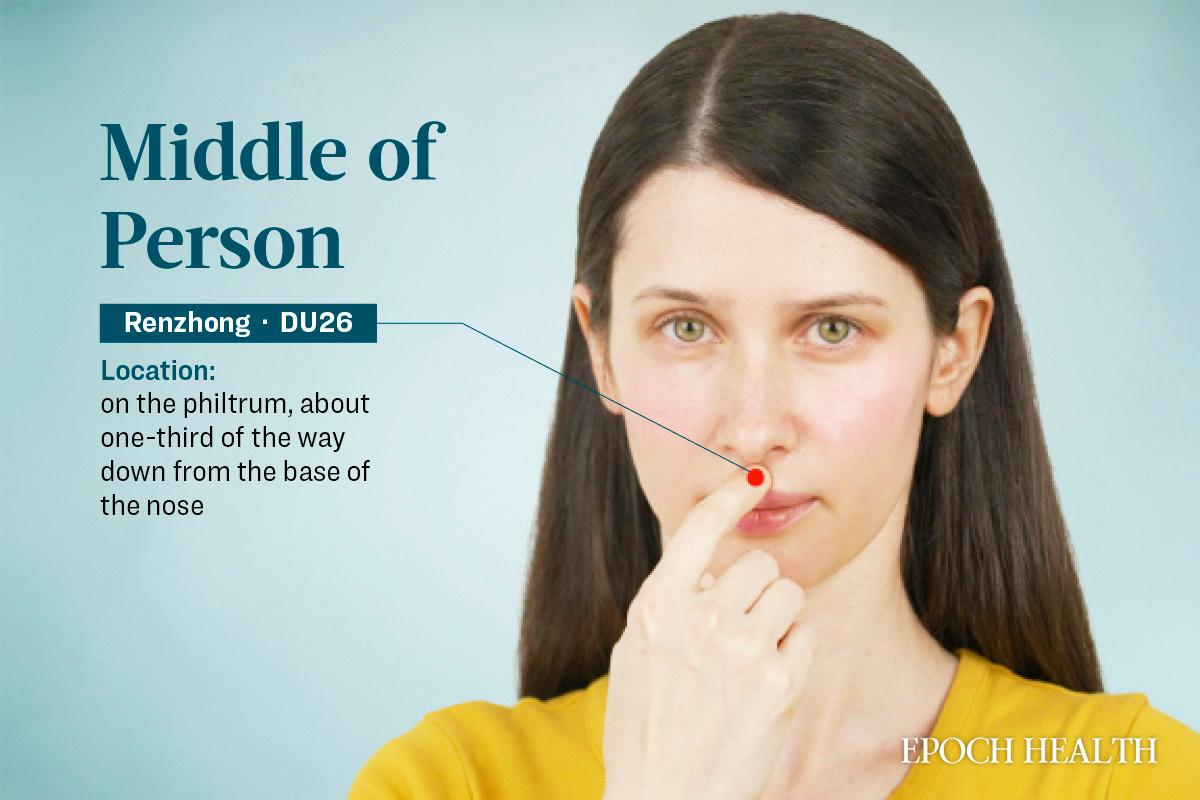
Massaging specific acupoints, like Baihui, Hegu, and Neiguan, can help maintain consciousness and mental clarity.
For instance, stimulating the Baihui acupoint refreshes the mind and enhances alertness, while the Hegu acupoint alleviates discomfort and pain. Meanwhile, the Neiguan acupoint may help improve blood circulation, thereby easing symptoms.
.
Performing Gua Sha (Scraping Therapy)
Gua Sha involves scraping the skin with a smooth-edged tool to promote circulation, release tension, and remove excess heat.
How to Perform Gua Sha:
- Apply Oil – Use massage oil or lotion to protect the skin.
- Use a Smooth Tool – A jade, buffalo horn, or ceramic scraper works best.
- Scrape in One Direction – Hold the tool at a 30–45° angle and apply moderate pressure in a single direction.
- Target Areas – Focus on the back, neck, shoulders, and arms, avoiding bony areas.
- Observe Skin Response – Red or purple marks (sha) may appear, indicating improved circulation.
- Hydrate & Rest – Drink warm water and allow time for recovery.
Health-Boosting Foods for Summer
To stay cool and support overall health during summer, Chen recommends incorporating the following foods into your diet:
Mung Beans
Mung bean soup is a popular summer dessert known for its cooling and detoxifying effects.Lotus Seeds
In addition to being delicious, lotus seeds have calming and heat-relieving properties.Lily Bulbs
Lily bulbs are helpful in cooling the body and moistening the lungs, soothing coughs.Chrysanthemum
Chrysanthemum tea can help fight inflammation, promote eye health, and alleviate summer heat.Bitter Melon
Known for its diuretic and blood sugar-lowering effects, bitter melon can be eaten raw in salads, stir-fried, or added to soups.Watermelon
Watermelon is rich in water content, making it a refreshing fruit that quenches thirst and helps cool the body.Mint
Whether consumed as tea or candy, mint provides a refreshing sensation and helps combat summer heat.Winter Melon
Winter melon helps dissipate heat, promote urination, and reduce edema (swelling). It is commonly used in soups and stir-fries.White Fungus
Known for its cooling and hydrating properties, white fungus is a popular ingredient in desserts and is well-suited for summer consumption.Lotus Leaf
Lotus leaf tea has cooling, diuretic, and heat-relieving properties, making it ideal for summer.What's Your Reaction?
 Like
0
Like
0
 Dislike
0
Dislike
0
 Love
0
Love
0
 Funny
0
Funny
0
 Wow
0
Wow
0
 Sad
0
Sad
0
 Angry
0
Angry
0

















Comments (0)