

China Turns to Russian Crude as Middle East Oil Supplies Come Under Fire
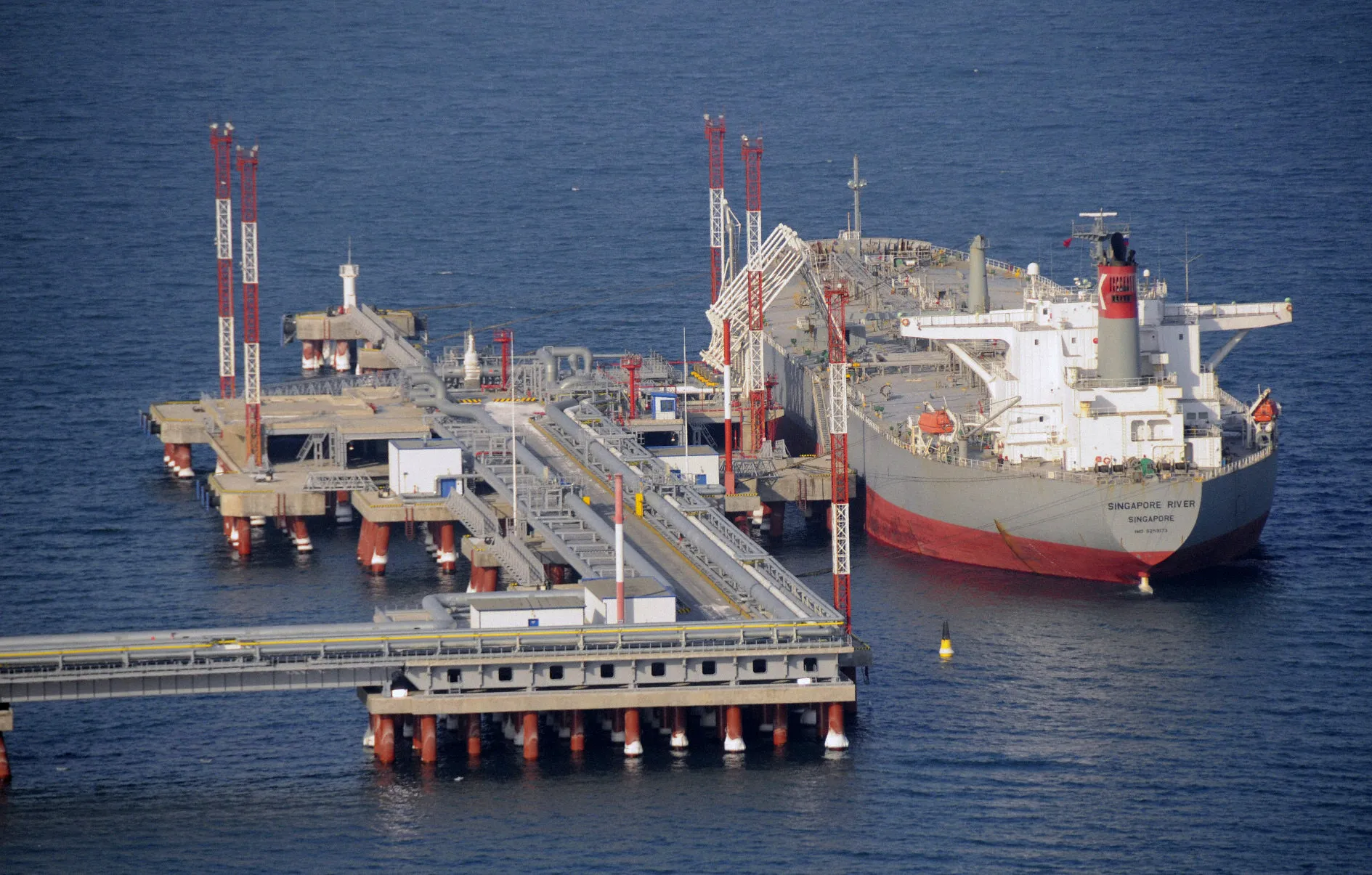
With war disrupting oil shipments from the Middle East, Chinese refiners are buying more Russian crude and exploring new deals for Iranian oil. The shift shows how far Beijing will go to keep cheap energy flowing, even if it means leaning further on sanctioned suppliers.

.
Beijing Turns Back to Moscow as the Gulf Grows Riskier
Chinese oil refiners have sharply increased their purchases of Russian crude this month, even though the price discount on that oil has shrunk. The reason is simple: fighting in the Middle East is making it harder and riskier to get oil out of the region at all.
Two of China's largest refiners have bought up most of the Russian ESPO Blend crude scheduled to load from the Pacific port of Kozmino in September, according to trading sources. That crude is now selling at a discount of only $1 to $3 per barrel below the international Brent benchmark. In August, the discount was closer to $4 a barrel. Strong buying from India, another major customer for Russian oil, has helped push prices up.
One trader working with a Chinese refiner summed up the appeal in a single line: given the turmoil in the Middle East, Russian oil is both safer to secure and cheaper to buy.
.
Why the Middle East Route Has Become So Unstable
The renewed rush toward Russian oil follows weeks of escalating conflict tied to the wider Iran war. Fighting between the United States and Iran, paused briefly by a short-lived truce, resumed with renewed strikes and shipping disruptions through the Strait of Hormuz, one of the world's most important oil corridors.
At the same time, Yemen's Houthi movement, which is backed by Iran, has escalated its own campaign against Saudi shipping. This week, the group said it had struck two Saudi oil tankers in the Red Sea with drones and missiles, days after declaring a naval blockade against the kingdom.The tankers were named Encelia and Layla, and Saudi state media confirmed that a fire broke out on the Encelia after it was hit. The attacks came as the U.S. military carried out an extended campaign of nightly strikes against Iran, with little sign of diplomatic progress.
Saudi Arabia has publicly rejected the Houthi blockade claims as false, but the threat alone has been enough to unsettle shipping in the region. Reports from the Red Sea corridor indicate that several tankers carrying Saudi oil reversed course this week after the blockade was announced.
.
A Brief Window of Cheap Middle East Oil Closes Again
Ironically, just weeks earlier, some Chinese independent refiners, often called "teapots," took advantage of a short-lived surge in Middle East exports during the temporary U.S.-Iran truce. During that window, they picked up roughly 20 million barrels of non-sanctioned crude from the Gulf at steep discounts.
Now that the truce has collapsed and fighting has resumed, some of those refiners are looking to resell that oil rather than process it themselves. Traders say cargoes have been offered to buyers in Taiwan and South Korea at premiums of $6 to $9 per barrel above the Dubai benchmark. It remains unclear whether any of these resale deals have actually closed.
.
Shandong's Teapots Reopen Talks Over Iranian Oil
Independent refiners in China's Shandong province, a hub for smaller, non-state-run refining operations, are also back at the table discussing new cargoes of Iranian crude, according to trading sources.
This week, Iranian Pars crude, a heavier grade of oil, was offered to Shandong buyers at a discount of roughly $8 a barrel below Brent, wider than the $6 discount offered just days earlier. Lighter Iranian crude has also seen discounts slip slightly, from about $3 to between $3 and $4 a barrel.
Even so, the teapots are not rushing to close deals. With Brent crude prices climbing to nearly $100 a barrel, refining margins have narrowed, making refiners more cautious about locking in new purchases regardless of the discount on offer.
.
The Bigger Picture: Sanctions Evasion as a Business Model
China's growing appetite for both Russian and Iranian oil, two of the world's most heavily sanctioned crude sources, highlights a pattern that has defined Beijing's energy strategy for years: when Western sanctions squeeze exporters like Moscow and Tehran, Chinese refiners are often the buyers willing to step in, provided the price is right.
Analysts have long noted that this arrangement provides Russia and Iran with a critical financial lifeline at a time when both regimes are under heavy international pressure, Moscow over its war in Ukraine and its human rights record, and Tehran over its nuclear program and support for regional proxy forces like the Houthis. For Beijing, cheap energy security appears to outweigh concerns about reputational risk or alignment with U.S.-led sanctions regimes.
The current crisis adds a further twist. The Trump administration has taken a notably hard line as tensions with Iran have escalated, with the U.S. president warning that American forces would target Iranian infrastructure in response to attacks on shipping through the Strait of Hormuz. Washington's tougher posture toward Tehran contrasts sharply with Beijing's continued willingness to buy Iranian and Russian oil.
.
What Comes Next
For now, both Russian and Iranian crude look set to remain attractive options for Chinese buyers as long as the Middle East conflict continues to disrupt traditional supply routes. Whether Shandong's teapots close new Iranian deals, and how far Chinese state refiners lean into Russian ESPO purchases, will likely depend on how the standoff over the Strait of Hormuz and the Red Sea develops in the coming weeks.
.
Sources:
- Reuters — "China refiners snap up September Russian crude, eye Iranian oil as Mideast supply risks grow," July 23, 2026: https://www.reuters.com/business/energy/china-refiners-snap-up-september-russian-crude-eye-iranian-oil-mideast-supply-2026-07-23/
- Al Jazeera — "Yemen's Houthis claim attack on two Saudi oil tankers," July 22, 2026: https://www.aljazeera.com/news/2026/7/22/yemens-houthis-claim-attack-on-two-saudi-oil-tankers
- Washington Times (AP) — "Houthis attack 2 Saudi oil tankers in the Red Sea, threatening to open a new front in the Iran war," July 23, 2026: https://www.washingtontimes.com/news/2026/jul/23/houthis-attack-2-saudi-tankers-red-sea-threatening-open-new-front/
- The National — "Tankers carrying Saudi oil make U-turn in Red Sea after Houthi threats," July 21, 2026: https://www.thenationalnews.com/news/gulf/2026/07/21/saudi-arabia-rejects-houthi-maritime-embargo-threat-and-warns-of-red-sea-escalation/
.
What's Your Reaction?
 Like
0
Like
0
 Dislike
0
Dislike
0
 Love
0
Love
0
 Funny
0
Funny
0
 Wow
0
Wow
0
 Sad
0
Sad
0
 Angry
0
Angry
0












Comments (0)