

BRICS Nations Unite Behind Fragile Middle East Truce as Iran and UAE Break the Ice in New Delhi
Leaders of the BRICS bloc adopted a joint declaration in New Delhi on September 12, 2026, calling for restraint in the six-month-old Middle East war. The breakthrough came after Iran and the United Arab Emirates, bitter rivals since fighting began in February, held their highest-level meeting of the conflict on the summit's sidelines. The declaration avoids naming any country directly but urges protection of civilians and global trade routes.

.
A Rare Moment of Unity
For months, the war raging across the Middle East had made any joint statement from BRICS seem unlikely. Iran and the United Arab Emirates, both members of the bloc, had been on opposite sides of a bitter conflict since February, with Emirati territory repeatedly hit by Iranian strikes.
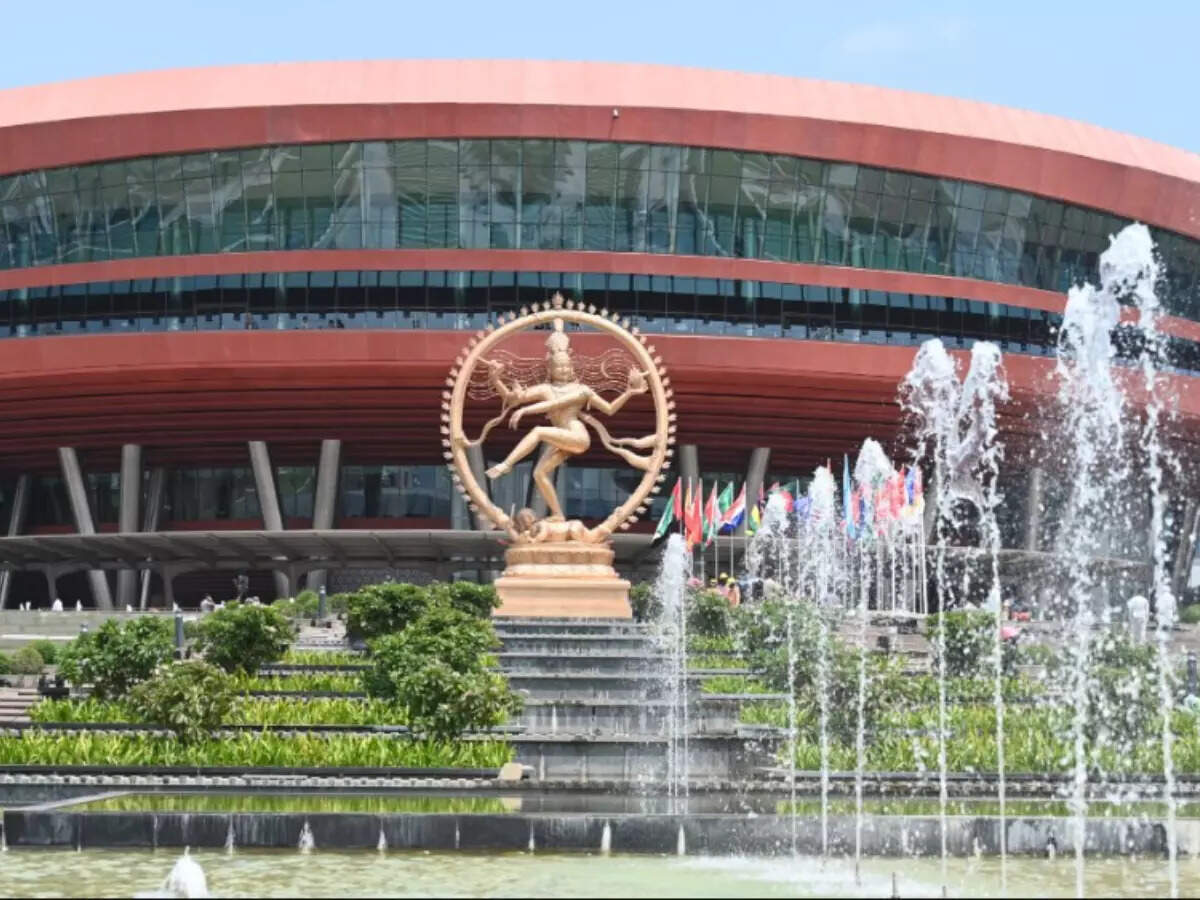
That changed on Saturday. At the Bharat Mandapam convention center in New Delhi, leaders from all eleven BRICS members reached consensus on a declaration calling for "maximum restraint" and warning against actions that could deepen the crisis. Indian Prime Minister Narendra Modi announced the breakthrough personally, calling it proof that the bloc had "come of age."
.
Iran and the UAE Talk Directly for the First Time
The diplomatic highlight of the day happened away from the main stage. Iranian President Masoud Pezeshkian met the Crown Prince of Abu Dhabi, Sheikh Khaled bin Mohamed bin Zayed Al Nahyan, marking the two countries' first face-to-face leadership talks since the war began.
Neither side released details of what was discussed. But the meeting itself was significant: Iran has repeatedly targeted the UAE during the conflict, most recently striking an air base used by American forces in late August. A former Indian ambassador to the UAE described the summit's real achievement as simply keeping "difficult conversations going" between countries otherwise unwilling to speak.
.
What the Declaration Actually Says
The text, negotiated over months by BRICS diplomats, deliberately avoids naming any single country as an aggressor. Instead, it expresses "deep concern over the continued escalation of tensions" and calls on all sides to protect civilians, respect national sovereignty, and safeguard global trade, energy flows, and maritime security in the region.
Foreign ministers meeting in May had failed to reach similar consensus, largely because of the same Iran-UAE divide. Getting all eleven members, including Saudi Arabia's close partners and Iran itself, to sign a shared text on the war was widely seen by diplomats as the summit's central test.
.
A War That Began With a Wedding and a Strait
The conflict at the heart of the declaration erupted on February 28, 2026, and has since drawn in the United States directly. Washington and Tehran have traded strikes on and off for six months, interrupted by short-lived ceasefires that repeatedly broke down over disputes involving the Strait of Hormuz, a critical global oil chokepoint Iran has partly blocked at various points in the war.
President Donald Trump has staked considerable diplomatic capital on ending the fighting, at one point calling an early ceasefire "a big day for World Peace." His administration has pursued direct contacts with Iranian officials, including talks in Islamabad between Vice President JD Vance and Iranian Parliament Speaker Mohammad Bagher Ghalibaf, the highest-level direct US-Iran engagement since 1979. Each truce, however, has proven fragile, with both sides accusing the other of violations within days.
.
Beijing's Bid for the Spotlight
China's leader Xi Jinping used the summit to position BRICS, and by extension Beijing, as a peacemaking force, saying member states should push the international order toward "greater equity and justice" and pledging China's readiness to play its "due role" in Middle East stability.
Such language deserves scrutiny. Beijing's Communist Party government has long used multilateral forums to present itself as a responsible global actor while offering little concrete follow-through, and its own record on transparency and human rights sits uneasily with talk of "equity and justice." Critics note that China has provided Iran significant economic support throughout the war without publicly pressuring Tehran to de-escalate, raising doubts about how neutral Beijing's peacemaking claims really are.
.
What Happens Next
The BRICS declaration is a symbolic step, not a peace deal. Diplomats interviewed by news agencies were careful to note that the statement is unlikely to change facts on the ground, since the war's true resolution depends on Washington, Tehran, and Israel, not on a bloc whose members disagree on nearly everything else, from currency policy to global institutions.
Still, the Iran-UAE meeting and the joint text suggest that even adversaries in an active war see value in keeping diplomatic channels open. With the summit continuing into its second day, attention will turn to whether the New Delhi talks produce any concrete follow-up, or whether, like earlier ceasefires in this war, the goodwill fades once the leaders return home.
.
Sources
- Reuters – https://www.reuters.com/business/aerospace-defense/brics-agrees-joint-declaration-before-new-delhi-summit-sources-say-2026-09-12/
- Business Standard – https://www.business-standard.com/world-news/pm-modi-announces-adoption-of-brics-delhi-declaration-126091200544_1.html
- CBS News – https://www.cbsnews.com/live-updates/us-iran-war-deal-strait-of-hormuz/
- Britannica, "2026 Iran War" – https://www.britannica.com/event/2026-Iran-war
.
What's Your Reaction?
 Like
0
Like
0
 Dislike
0
Dislike
0
 Love
0
Love
0
 Funny
0
Funny
0
 Wow
0
Wow
0
 Sad
0
Sad
0
 Angry
0
Angry
0











Comments (0)