

Xi, Putin Hail Close Cooperation as Russia’s Gazprom Announces New Gas Pipeline Deal With China


Addressing Xi as a “dear friend,” Putin said that Moscow’s relationship with Beijing has attained “an unprecedentedly high level,” according to a transcript of the meeting released by the Kremlin.
Xi, for his part, lauded the Chinese regime’s ties with Russia as an international model that has “stood the test of changes in the world,” according to the regime’s foreign ministry.
He told Putin that the Chinese side is willing to work with Russia to “maintain close high-level exchanges,” support each other’s development, and coordinate their positions promptly on issues concerning the two countries’ “core interests and major concerns,” the Chinese foreign ministry said.
Officials from the two nations signed more than 20 bilateral cooperation agreements covering a range of fields, including energy, aerospace, and artificial intelligence, the Chinese ministry said.
Beijing has yet to confirm the gas deal.
When asked about the pipeline project at a regular press briefing later on Sept. 2, China’s foreign ministry spokesperson Guo Jiakun refrained from confirming or denying it, stating that China and Russia “always carried out pragmatic cooperation in all fields, including energy.”
Guo also mentioned that China has added Russia to its visa-free scheme. Starting from Sept. 15, ordinary Russian passport holders will be able to enter China and stay for up to 30 days without a visa. The exemption will be in effect for a period of one year.
Following the meeting, the Chinese foreign ministry said, Xi and Putin had tea at the Zhongnanhai compound, a tightly guarded complex of buildings where the Chinese Communist Party (CCP) leader resides.
.
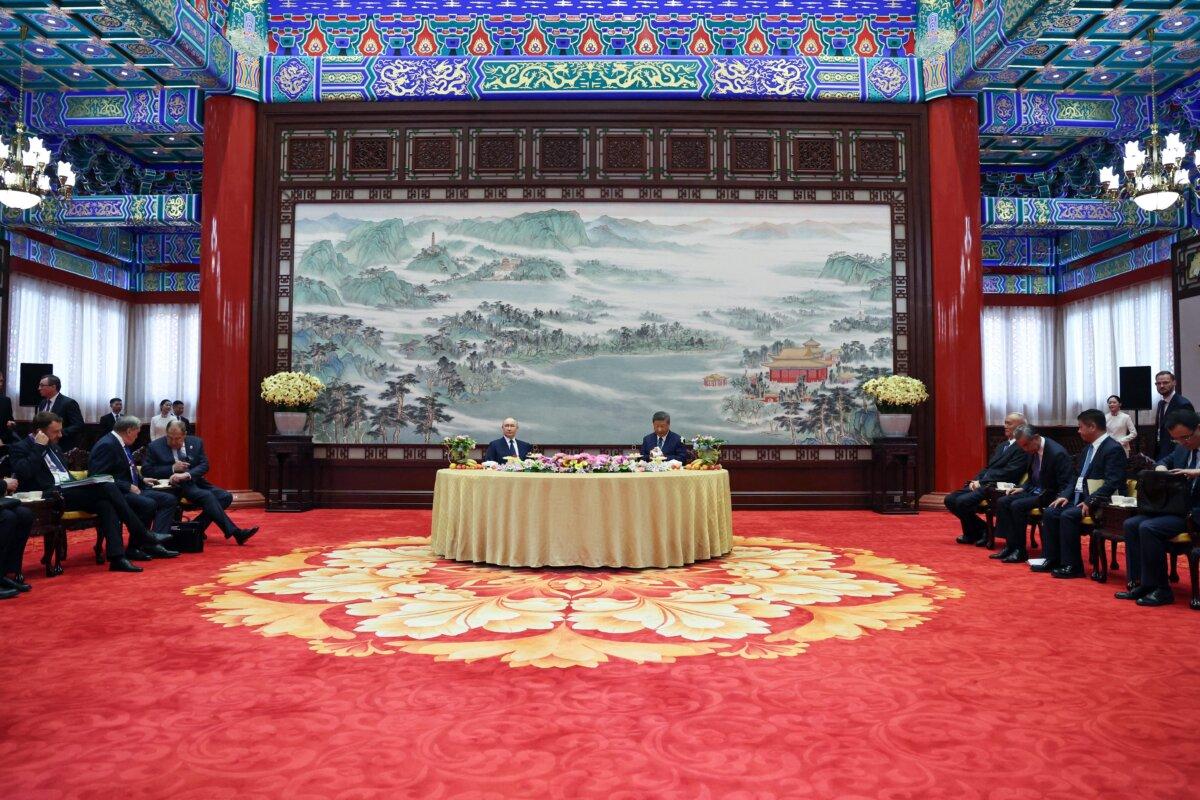
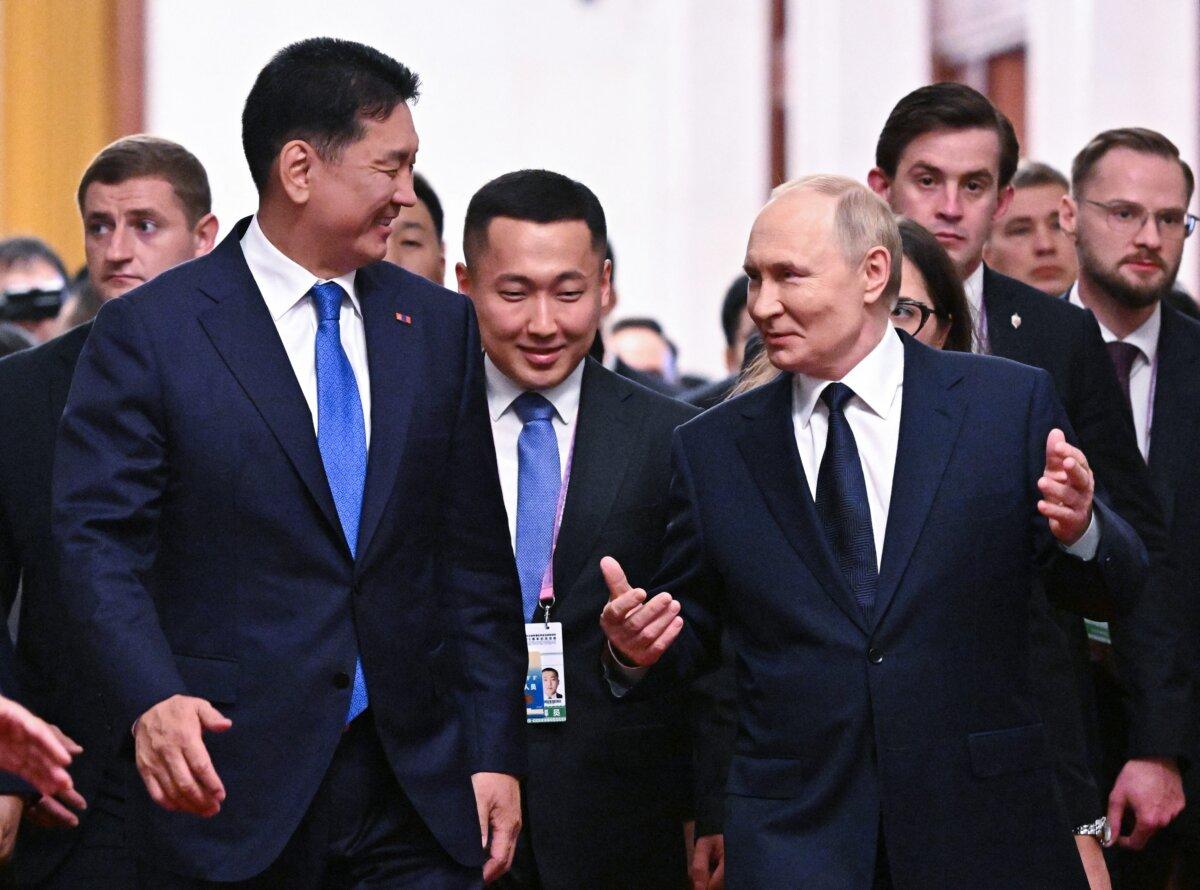
Ahead of their bilateral talks, Putin and Xi held a meeting with Mongolian President Khurelsukh Ukhnaa on Sept. 2.
In his opening remarks, Putin said that the three countries are good neighbors and have “much in common,” according to the Kremlin.
“We share an interest in the joint development of political, economic, and humanitarian ties,” he said.
Xi, meanwhile, called for deeper collaboration by advancing cross-border infrastructure and energy projects that connect the three countries, according to a readout published by the Chinese foreign ministry.
He also urged the fellow leaders to expand the scale of local currency settlement, the Chinese ministry said, with the aim of creating an alternative to, or reducing reliance on, the U.S. dollar.
.
While Modi returned to New Delhi on Sept. 1, Putin headed to Beijing to meet Xi and watch a military parade marking the end of World War II. The Chinese regime is set to showcase its most advanced arms manufactured at home in the parade, while Xi is expected to deliver a speech from the rostrum of Tiananmen Gate in Beijing.
What's Your Reaction?
 Like
0
Like
0
 Dislike
0
Dislike
0
 Love
0
Love
0
 Funny
0
Funny
0
 Wow
0
Wow
0
 Sad
0
Sad
0
 Angry
0
Angry
0











Comments (0)