

When Exercise Becomes Harmful: The Smarter Way to Exercise

.
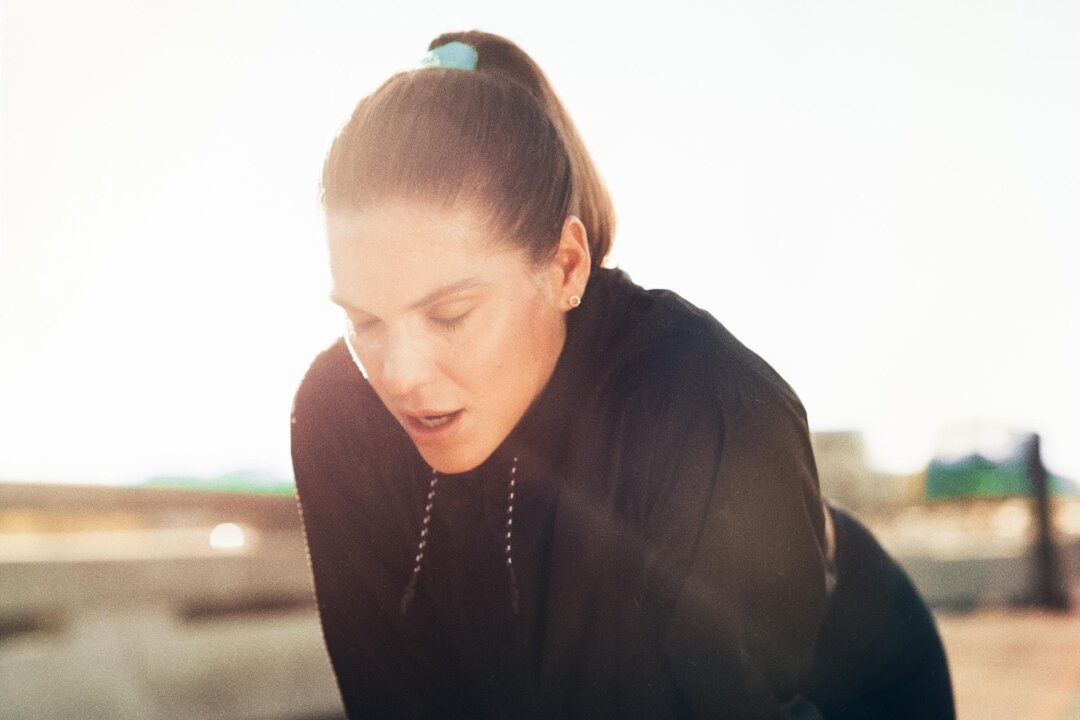
For more than a decade, a woman struggling with chronic insomnia laced up her running shoes every morning, convinced that jogging would finally bring her the restful sleep she craved. Instead, her condition worsened—her feet burned at night, and sleep became even more elusive. Only after consulting a traditional Chinese medicine (TCM) practitioner, who advised her to swap long-distance running for gentle stretching, tai chi, and yoga, did her sleep gradually improve. Within three months, her nights grew calmer and her energy more stable.
Why Does Running Worsen Insomnia?
At first glance, this story seems puzzling. After all, countless studies show that exercise helps regulate sleep. So why did running worsen this woman’s insomnia? TCM explains this through the lens of “yin” and “yang” balance.Yin is cooling, moistening, and restorative—like water that nourishes the body and allows for deep rest at night.
Yang is warming, energizing, and activating—like fire that fuels daytime activity and vitality.
When ‘Daily Jogging’ Becomes a Chronic Problem
From a Western perspective, the explanation also makes sense. Moderate sweating helps regulate temperature and flush out some metabolic waste. However, excessive sweating strips the body of sodium, potassium, and other electrolytes, which are crucial for nerve signaling, muscle contraction, and heart rhythm. Severe imbalances can lead to cramps, abnormal heart rhythms, and fatigue.TCM Warnings About Sweat and the Environment
Both TCM and Western medicine agree that exercise is not universally beneficial in the same way for everyone.Modern guidelines often suggest standardized formulas—30 minutes of aerobic exercise three times a week, or training at 60 percent of maximum heart rate. While useful for the general population, these one-size-fits-all rules can backfire. Strenuous exercise during menstruation may worsen menstrual irregularities; training in hot, humid weather raises cardiovascular strain and increases the risk of heatstroke; and exercising while ill can suppress immunity and slow recovery.
Another TCM perspective highlights the danger of sweating excessively in the wrong environment.
Many people insist on exercising outdoors in the summer, hoping to detoxify through additional sweating. However, Guo said that true detoxification happens through the liver, gallbladder, and normal urination and defecation, not through sweating, which he said can harm the body.
Sweat opens the pores, making the body vulnerable to external pathogens—what TCM calls the “six evils”: wind, cold, heat, dampness, dryness, and fire. Entering a cold or drafty environment while still drenched in sweat can invite rheumatism, headaches, or chronic joint pain.
Guo said he only practices tai chi outdoors when the weather is pleasant—not too cold and not too hot. At other times, he prefers to exercise indoors. He also observed that many of his patients’ conditions worsen after exercising outdoors.
- Dry yourself and change into dry clothes after exercise.
- Rest briefly before entering an air-conditioned room after exercising or sweating.
- Avoid setting the air conditioner at too low a temperature.
- Avoid drinking very cold water immediately after exercise.
- Avoid sitting in a drafty or cold environment for extended periods after sweating.
How Can a Rapid Heartbeat Cause Harm?
Beyond the harmful effects of excessive sweating, increased heart rate during exercise can cause discomfort for some people. Guo, citing the theory of qi and blood distribution in the meridians, noted that when the heart rate rises from 72 beats per minute to 120, blood flow distribution in the body changes dramatically.During this period, blood flow is prioritized to the limbs and superficial muscles, reducing blood flow to internal organs such as the liver, spleen, stomach, and kidneys. This can lead to poor digestion and absorption and may weaken the body’s immunity and repair capacity.
What Is the Best Exercise for Most People?
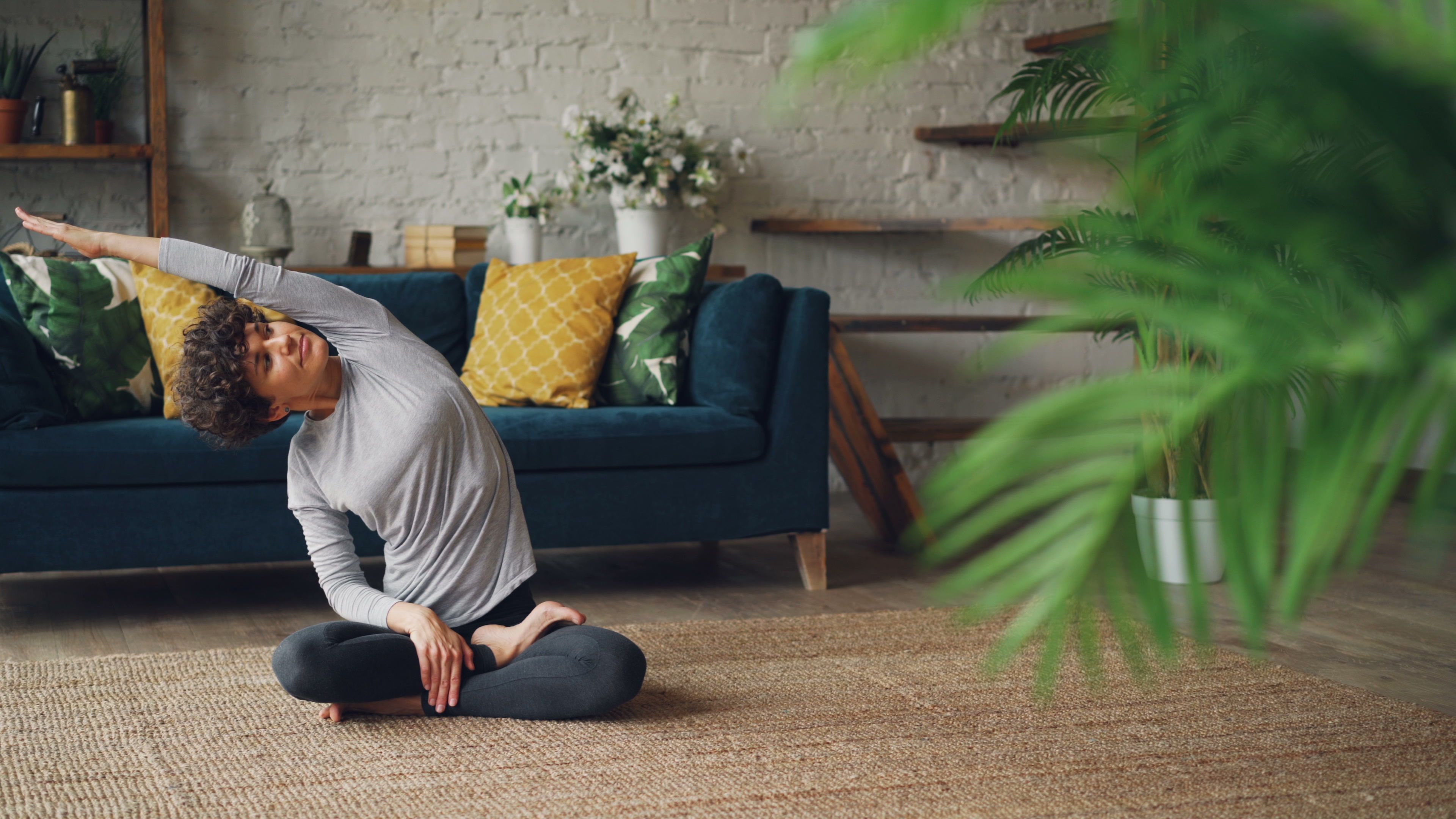
Guo recommends low-energy, internally nourishing exercises, which are particularly suitable for middle-aged and older people and those with chronic illnesses. These include tai chi, body stretching, tendon pulling, and yoga.A simple guideline can help distinguish healthy from excessive exercise:
Beyond Muscle: Exercise, Digestion, and Aging
Finally, Guo highlighted sarcopenia (age-related muscle loss). Many people try to fight it with heavy resistance training and protein powders. However, in TCM, the root cause often lies in a weak spleen and stomach—the organs responsible for digesting and transforming food into qi, blood, and muscle.The True Purpose of Exercise
True well-being comes from choosing the right activity, intensity, and timing for your body type—not from blindly following trends. In both TCM and Western science, the message is the same: Exercise should nourish, not exhaust—only then does it become a path to long-term health and longevity.What's Your Reaction?
 Like
0
Like
0
 Dislike
0
Dislike
0
 Love
0
Love
0
 Funny
0
Funny
0
 Wow
0
Wow
0
 Sad
0
Sad
0
 Angry
0
Angry
0












Comments (0)