

When a Headache Signals a Warning–and How to Help Prevent It

.
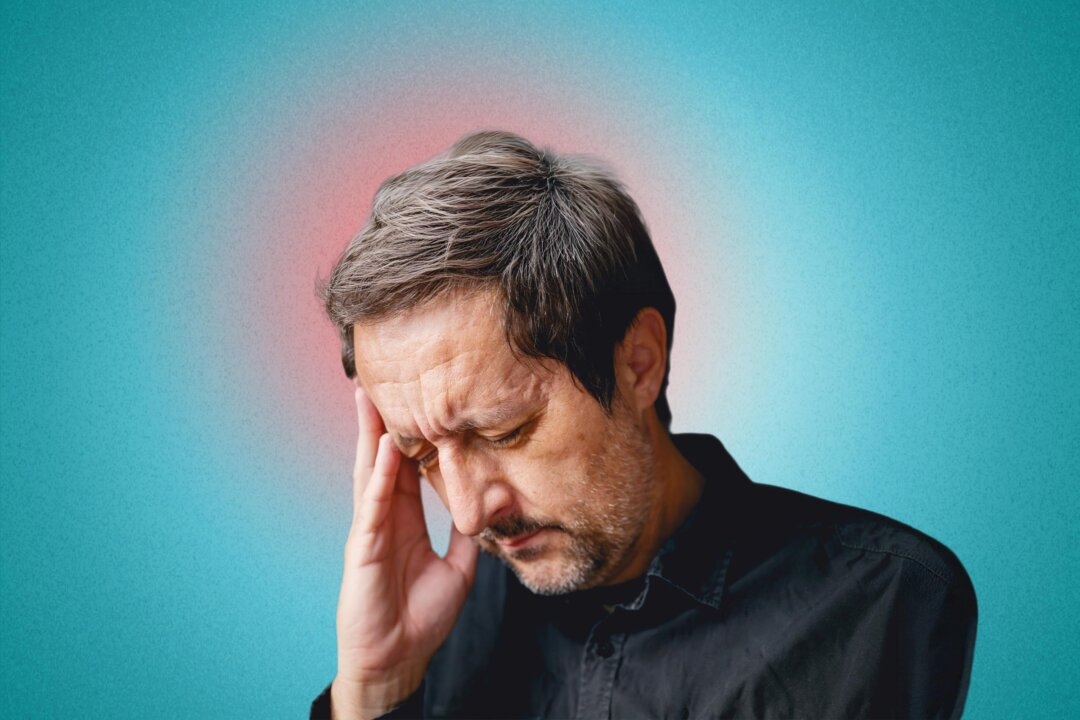
A middle-aged man in his early 50s suddenly developed cold-like symptoms accompanied by headache, nausea, and vomiting. Attributing his discomfort to fatigue and irregular eating habits, he assumed rest would lead to recovery.
Several days later, however, his vision began to deteriorate. By the time he sought medical care, he had already lost more than half of his vision, and the optimal window for treatment had passed.
Jonathan Liu, a professor of traditional Chinese medicine (TCM) at a Canadian public college and Epoch Times contributor, shared this case with The Epoch Times. The patient was diagnosed with acute angle-closure glaucoma, a condition that can present with sudden headache and nausea.
Potentially Dangerous Causes of Headaches
Liu outlined several types of headaches that require prompt medical evaluation.1. Acute Angle-Closure Glaucoma
Acute angle-closure glaucoma is an eye emergency. Its hallmark symptoms include the sudden onset of severe pain in the eye and head. The pain tends to radiate along the eye socket and brow toward the forehead or temples and is commonly described by patients as sharp, pounding, or explosive, Liu said.Patients may also experience eye redness and congestion, rapid vision loss, and, in severe cases, sudden blindness within a short period. These symptoms are often accompanied by nausea and vomiting.
2. Subarachnoid Hemorrhage
Subarachnoid hemorrhage is characterized by the sudden onset of an intense headache, often described as the worst headache of a person’s life. It is frequently accompanied by nausea and vomiting.This condition involves bleeding in the space between the membranes that surround the brain. Huang Huilun, an attending physician in the Department of Family Medicine at Ton-Yen General Hospital in Taiwan, told The Epoch Times that common causes include ruptured cerebral aneurysms and arteriovenous malformations.
When the amount of bleeding is small, patients may remain conscious but appear sluggish or less responsive. In more extensive cases, sudden loss of consciousness can occur. Other symptoms include neck stiffness, drooping eyelids, and double vision.
Cerebral aneurysms often produce few noticeable symptoms prior to rupture. Once rupture occurs, acute bleeding may follow, most commonly in people aged 40 to 50.
3. Hypertensive Intracerebral Hemorrhage
The symptoms of hypertensive intracerebral hemorrhage are similar to those of subarachnoid hemorrhage. They include severe headache, dizziness, nausea, and vomiting, and in some cases, rapid loss of consciousness.Approximately 80 percent of intracerebral hemorrhage cases are associated with long-term poor blood pressure control or fragile blood vessels, Huang said. This condition is associated with high mortality and disability rates, and earlier treatment is linked to a better prognosis.
4. Cervicogenic Headache and Cerebrovascular Disease
Not all serious headaches are sudden or explosive. Some develop gradually and are associated with chronic neck and upper spine strain.Cervicogenic headaches are typically associated with degenerative or functional changes in the cervical spine, particularly involving the first through third cervical vertebrae, Liu said. These headaches often present with neck stiffness and pain that radiates to the back of the head.
Liu described a former senior manager who experienced sustained occupational stress for many years. In his early fifties, he suffered a lacunar stroke. Evaluation suggested that, in addition to established vascular risk factors, chronic cervical tension may have contributed to reduced cerebral blood flow.
Major blood vessels supplying the brain—including the carotid and vertebral arteries—run close to the cervical spine. The vertebral arteries, in particular, pass through small openings in the cervical vertebrae. Persistent muscle tension, bone overgrowth, or postural imbalance may, in some cases, affect blood flow.
Prevention Strategies
Preventing dangerous headaches and intracranial hemorrhage largely involves reducing the risk of blood vessel rupture and acute bleeding.1. Manage the ‘Three Highs’
Control blood pressure, blood glucose, and blood lipid levels through regular monitoring and appropriate medical management.2. Monitor Aneurysm Risk
Those with a family history of aneurysms or a known aneurysm may benefit from regular imaging examinations.3. Follow Up on Cerebrovascular Abnormalities
People with known structural abnormalities or vascular malformations of the brain require ongoing follow-up to assess whether treatment is necessary.4. Prevent Head Injuries
Adopt safe lifestyle practices, avoid high-risk activities, and use appropriate safety measures and protective equipment. Fall prevention is particularly important for older people and those who are frail.5. Use Blood Thinners Carefully
Take medications strictly as prescribed. Regular monitoring of liver and kidney function, blood counts, and blood clotting tests is recommended.6. Maintain a Healthy Lifestyle
Don’t smoke, manage body weight, engage in regular physical activity, manage stress, and establish healthy sleep habits.Improving Headaches Through Acupressure
As part of daily self-care, Liu recommends massaging specific acupoints along the back of the neck to help promote circulation and relieve tension.Wind Palace (DU16)
Also known as the Feng Fu acupoint, it is located along the midline at the back of the head, just above the hairline, in a depression near the first cervical vertebra.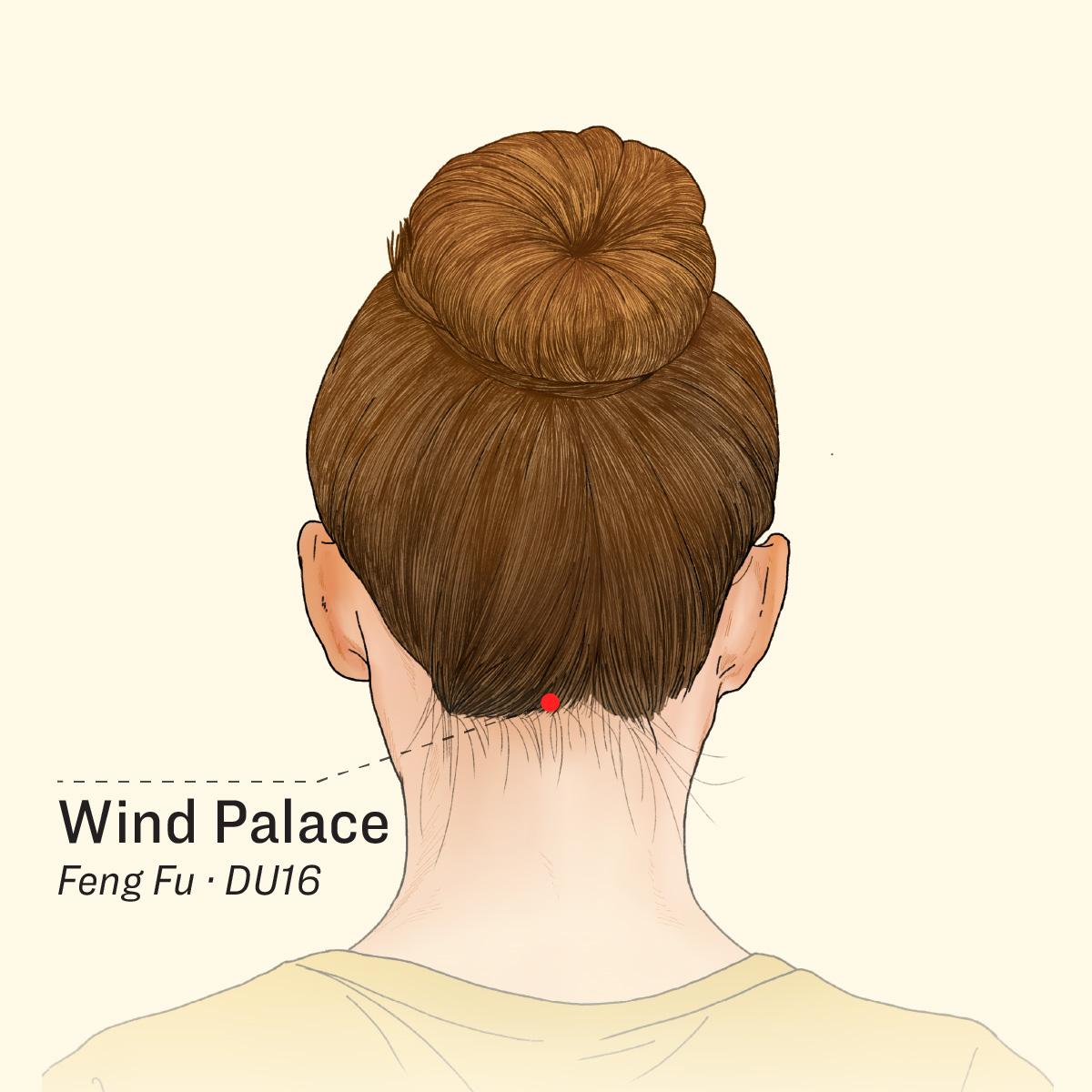
Wind Pool (GB20)
Also known as the Feng Chi acupoint, it is located on either side of the Feng Fu acupoint, in depressions above the hairline at the base of the skull. This acupoint is commonly used to relax tense muscles and ease headaches and dizziness.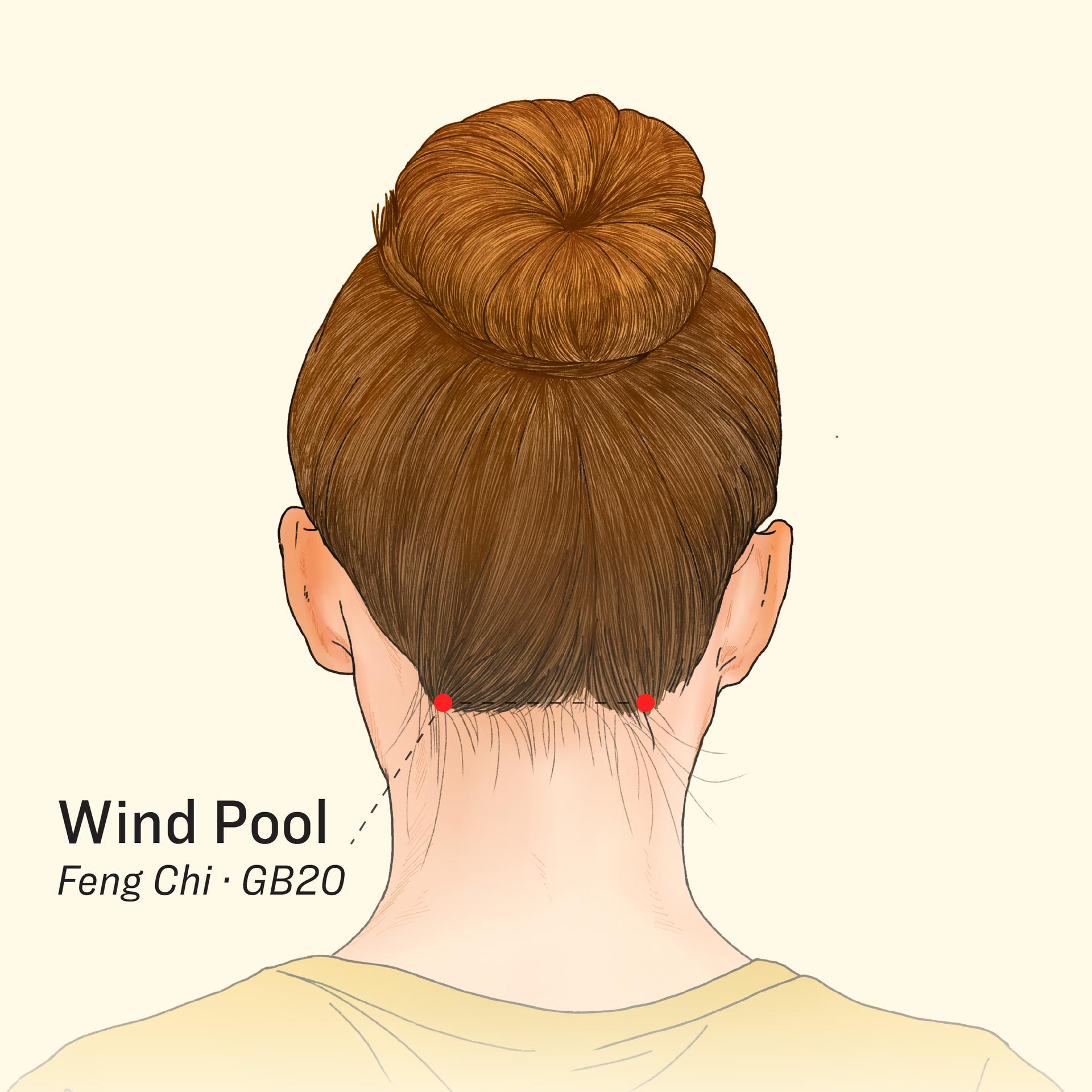
Celestial Pillar (BL10)
Also known as the Tian Zhu acupoint, it is located on both sides of the back of the neck, at the hairline, in depressions along the outer edge of the trapezius muscle (a large muscle that extends to the base of the skull). Stimulating this point may help relieve neck stiffness and discomfort in the back of the head.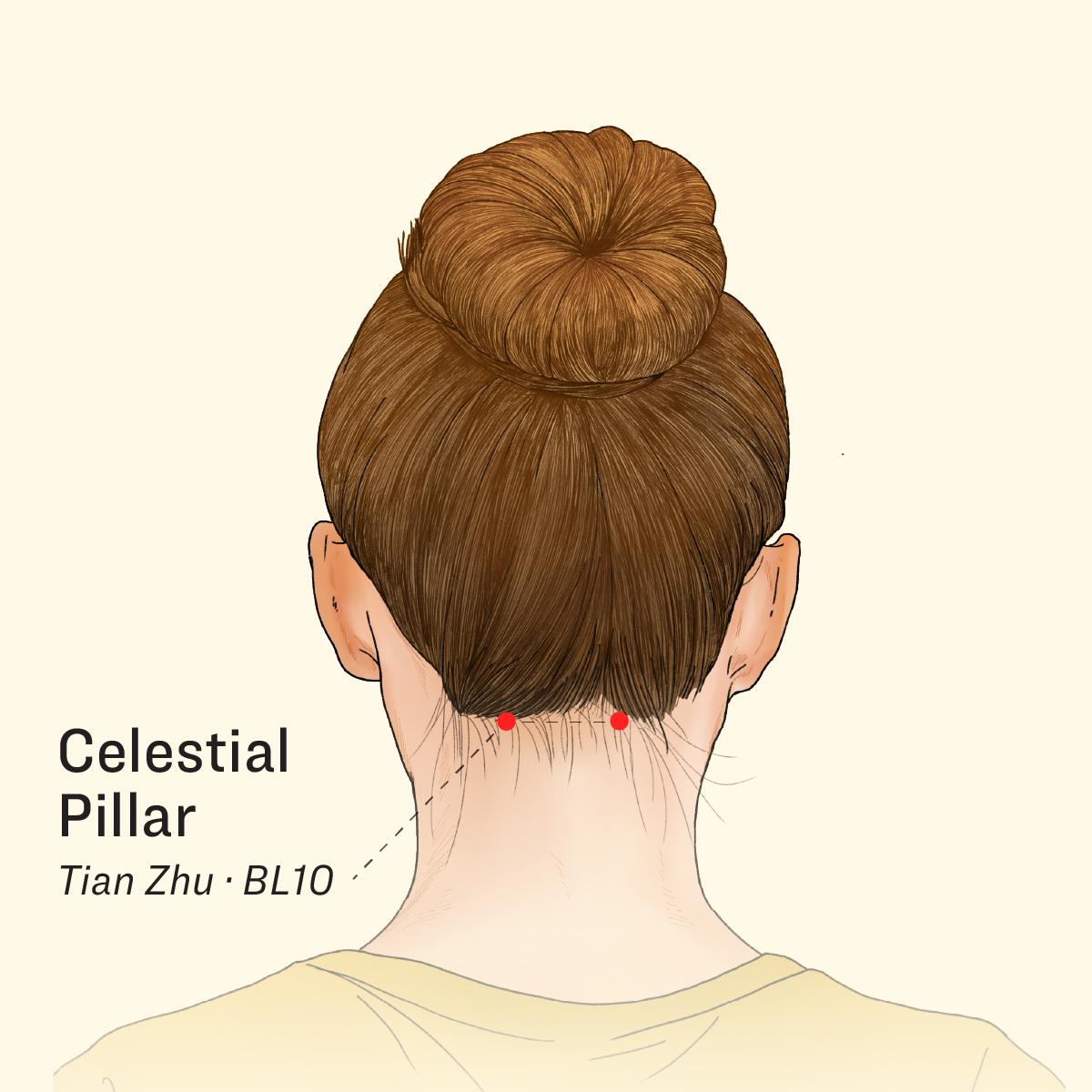
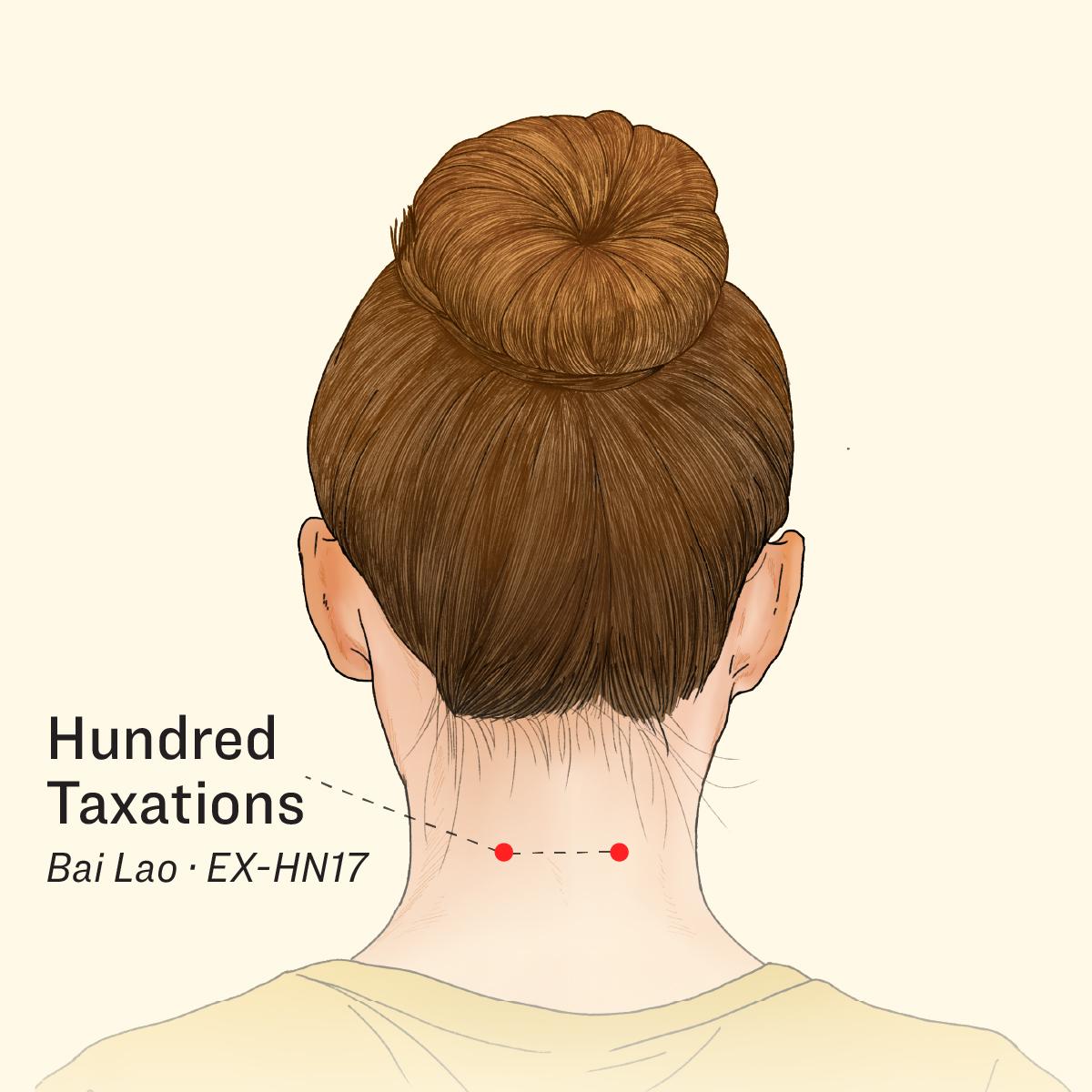
Hundred Taxations (EX-HN17)
Also known as the Bai Lao acupoint, it is located approximately two finger-widths above the seventh cervical vertebra and about one finger-width lateral to the spine. To locate the seventh cervical vertebra, gently lower the head and identify the most prominent bony protrusion at the back of the neck.Stimulating this point may help relieve neck soreness, shoulder stiffness, and headaches associated with prolonged desk work or study.
.
The Epoch Times
.
Dietary Strategies
TCM holds that medicine and food share a common origin. For cervicogenic headaches and vascular support, mild herbal food therapies and medicinal teas are sometimes used as complementary approaches.Cinnamon Twig and Kudzu Root Decoction
Liu recommends cinnamon twig and kudzu root decoction, also known as guizhi plus gegen decoction, for certain constitutional patterns. This traditional TCM herbal formula uses warming herbs to relieve neck stiffness, promote circulation, and ease headache symptoms associated with muscle tension.- 1.1 ounces kudzu root (Gegen)
- 0.4 ounces cinnamon twig (Guizhi)
- 0.4 ounces white peony root (Baishao)
- 0.2 ounces fresh ginger (Shengjiang)
- 0.4 ounces Chinese jujube (Dazao)
- Rinse all ingredients thoroughly.
- Place them in a pot and add approximately 68 fluid ounces of water.
- Bring to a boil over high heat, then reduce to low heat and simmer for 30 minutes.
- Strain and drink as a tea twice daily.
Kudzu root is also beneficial for office workers who sit for extended periods and engage in minimal physical activity.
Vinegar-Soaked Peanuts
Because vascular health plays a central role in preventing hemorrhagic headaches and strokes, Liu also recommends vinegar-soaked peanuts.- 3 to 4.5 cups raw peanuts
- Rice vinegar or black vinegar (enough to submerge)
- Place raw peanuts into a wide-mouthed glass jar.
- Add vinegar until the peanuts are fully submerged.
- Seal the jar tightly and allow the peanuts to soak for one week.
- Once ready, eat 10 peanuts in the morning and 10 in the evening daily.
Certain Foods to Include
A diet rich in vegetables, fruits, and healthy fats plays an important role in protecting heart and brain health.A Headache Is Not Always ‘Just’ a Headache
As Liu’s patient learned, a headache is not always a minor inconvenience. In some cases, it signals a serious eye or brain emergency.Recognizing warning signs early—and maintaining vascular health over time—may help prevent devastating consequences.
.
What's Your Reaction?
 Like
0
Like
0
 Dislike
0
Dislike
0
 Love
0
Love
0
 Funny
0
Funny
0
 Wow
0
Wow
0
 Sad
0
Sad
0
 Angry
0
Angry
0













Comments (0)