

US Closing Loophole in Exports to Blacklisted Companies


.
The Department of Commerce’s Bureau of Industry and Security said on Sept. 29 it is changing export control rules to automatically cover subsidiaries of companies on the Entity List that are at least 50 percent owned by the listed company.
As strategic competition between the United States and the Chinese communist regime heightened over the past two administrations, both the Trump and Biden administrations have increasingly made use of and expanded export controls on advanced technologies to China, especially those with military applications. Export controls previously only excluded entities that were specifically listed.
Over the years, regulators and policymakers have noted that blacklisted companies often circumvent export controls in various ways, including through middleman shell companies and subsidiaries, particularly in relation to China.
“In other words, instead of fixating on whom to bar from the game, authorities should shift their focus toward who gets to play. By so doing, regulators can more effectively limit the avenues available for smuggling,” the Center for Strategic and International Studies said in October 2024.
The new rule automatically includes subsidiaries that are majority-owned by the listed entity, and subsidiaries that have significant minority ownership will be considered a red flag requiring due diligence assessments from exporters.
The department noted that, as U.S. companies are already required to obtain such licenses, foreign companies using U.S. technology should not be exempt.
In 2023, key chip companies were given the ability to sell to China license-free.
.
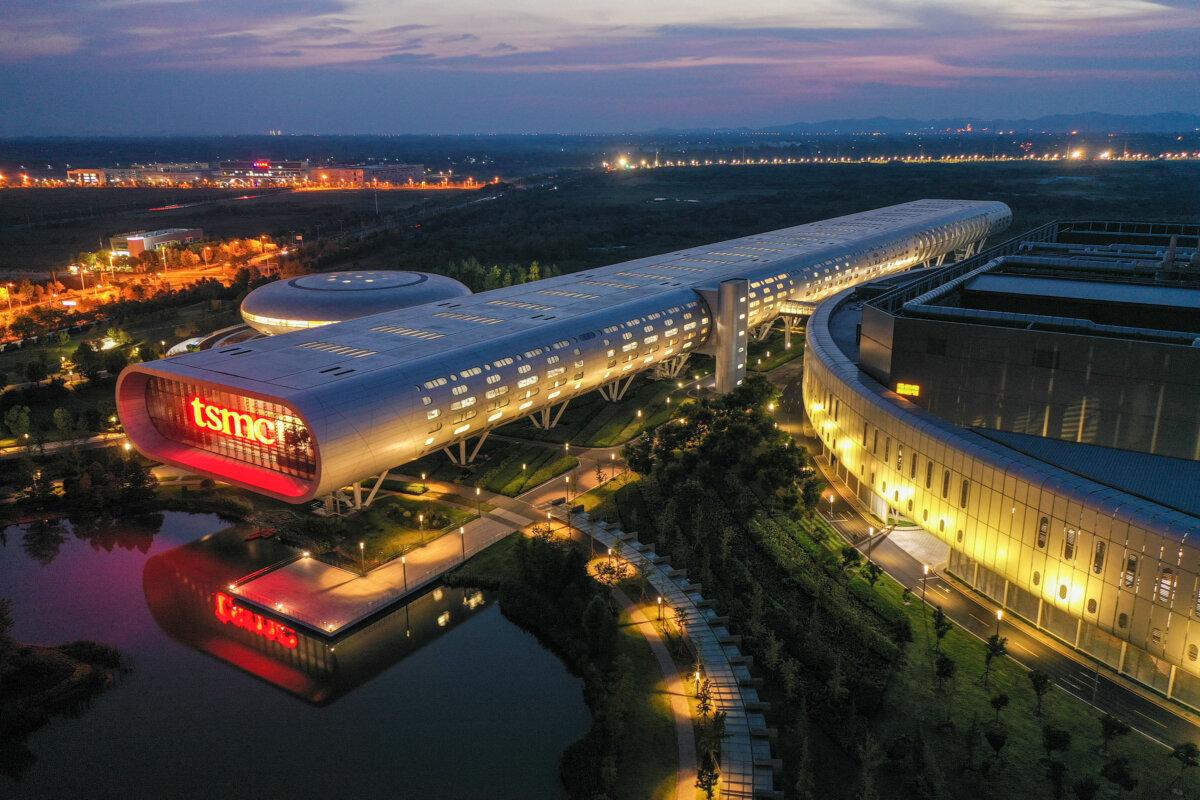
The rule change covers the Taiwan Semiconductor Manufacturing Co. (TSMC) plant in Nanjing, China, and South Korean Samsung Electronics and SK Hynix facilities in China.
BIS noted it does not intend to grant licenses that support expanding capacity or upgrading technology at China-based chip manufacturing companies.
The department is now considering tariffs on medical items, robotics, industrial machinery, and other items under a national security statute.
.
What's Your Reaction?
 Like
0
Like
0
 Dislike
0
Dislike
0
 Love
0
Love
0
 Funny
0
Funny
0
 Wow
0
Wow
0
 Sad
0
Sad
0
 Angry
0
Angry
0













Comments (0)