

Trump Threatens Blocking Cooking Oil Trade With China—What to Know


.
The U.S.–China trade battle continues to heat up, and now cooking oil is in the spotlight. President Donald Trump said China’s decision not to buy soybeans from U.S. farmers was an “economically hostile act” and threatened that the United States may stop buying cooking oil from China.
“We are considering terminating business with China having to do with Cooking Oil, and other elements of Trade, as retribution. As an example, we can easily produce Cooking Oil ourselves, we don’t need to purchase it from China.”
Biofuels
For more than a decade, China has been the biggest buyer of U.S. soybeans, with more than half of U.S. soybean exports going to China.Last year, China purchased almost 27 million tons of soybeans from the United States, worth $12.6 billion, according to USDA data. Since May, China has not purchased soybeans from the United States. Instead, it has bought soybeans from Brazil and Argentina.
That amount is more than 500 Olympic-size swimming pools of cooking oil.
.

Tax Credits
The United States has not been a long-time customer of Chinese cooking oil. Trade with China in used cooking oil picked up in 2022. That’s when Congress passed the Inflation Reduction Act (IRA/Climate Act), which created a tax credit for producing green biofuels, such as sustainable aviation fuel (SAF). The incentive triggered demand for the cheap supplies, which expanded the market for Chinese cooking oil in the United States.This increased trade in used oil continued until late 2024, during which China had been providing a 13 percent tax rebate to Chinese firms for exporting cooking oil. In November 2024, China ended the export rebate for cooking oil, a change that came as its production of sustainable aviation fuel (SAF) increased.
In early 2025, the IRS moved to end the tax credit for foreign waste oils, as they were flooding the market, and the types of oils used in these waste oils were impossible to verify.
U.S. imports of used cooking oil from China have dropped by almost half in the first seven months of 2025, down to 387,000 tons from 684,000 tons in the same period last year, according to the U.S. Department of Agriculture.
.
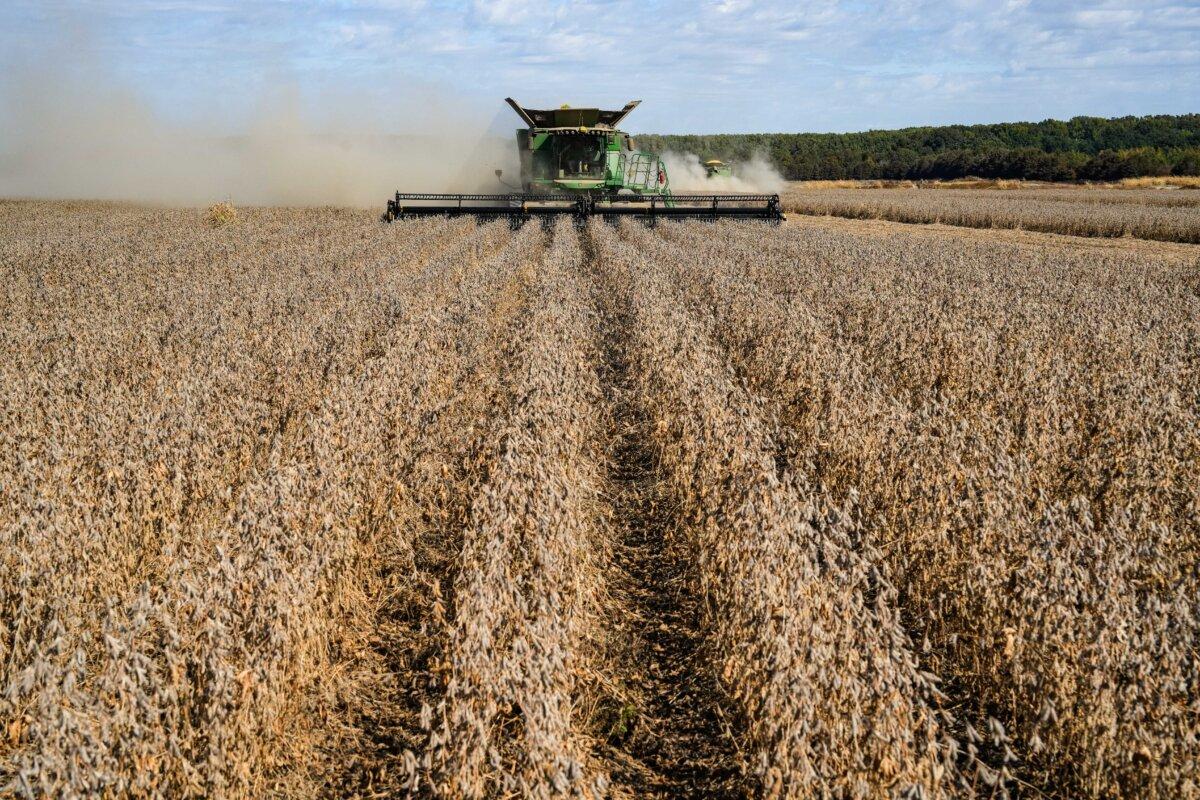
Soybean Farmers
American soy oils are also used in biofuels, and competition from Chinese UCO reduces the price and demand for soybeans and soy oils used in biofuels. Trade in Chinese UCO was undercutting U.S. farmers’ market share of the renewable fuel industry.In late 2024, U.S. farmer industry groups protested, arguing that the low-carbon fuel incentives favored imported Chinese cooking oil over American-grown crops. They urged the White House to address the issue, which it did, and the tax incentives were adjusted in early 2025.
That didn’t stop all trade in UCO with China, but it cut demand for cheap Chinese waste oil.
Ending trade in UCO with China for use in biofuels won’t fix the $12 billion shortfall soybean farmers face from losing out on the China market.
U.S. farmer groups have voiced their concern about UCO imports from China, so cutting it out completely may be a gesture of solidarity before any promised federal subsidy comes to fruition.
.
What's Your Reaction?
 Like
0
Like
0
 Dislike
0
Dislike
0
 Love
0
Love
0
 Funny
0
Funny
0
 Wow
0
Wow
0
 Sad
0
Sad
0
 Angry
0
Angry
0













Comments (0)