

Trump Shrugs Off Report That Chinese Firms Aided Iran Before Deadly Jordan Strike
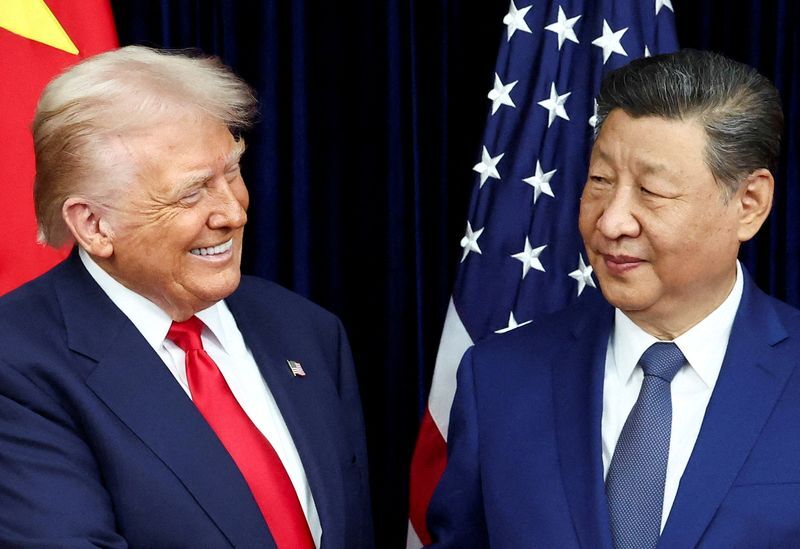
President Donald Trump downplayed a Wall Street Journal report claiming Chinese companies supplied Iran with satellite imagery before a July missile strike that killed three U.S. soldiers in Jordan. Speaking aboard Air Force One, Trump compared the alleged Chinese espionage to America's own intelligence activities, signaling he has no intention of confronting Beijing over the issue ahead of his September 24 summit with Xi Jinping.

.
What Trump Said
Aboard Air Force One on September 13, Trump was asked whether he planned to raise the satellite imagery allegations during his upcoming meeting with Chinese leader Xi Jinping. He avoided a direct answer.
Instead, the president drew an equivalence between Chinese and American intelligence practices. "They basically do what we do," he told reporters, adding that if China spies on the U.S., "we spy on them too."
Trump also reaffirmed his generally positive view of the relationship with Xi, saying the Chinese leader "has behaved reasonably well" and that both sides "behave reasonably well" toward each other. His comments came as he returned to the United States following a weekend visit to Ireland.
.
The Underlying Report
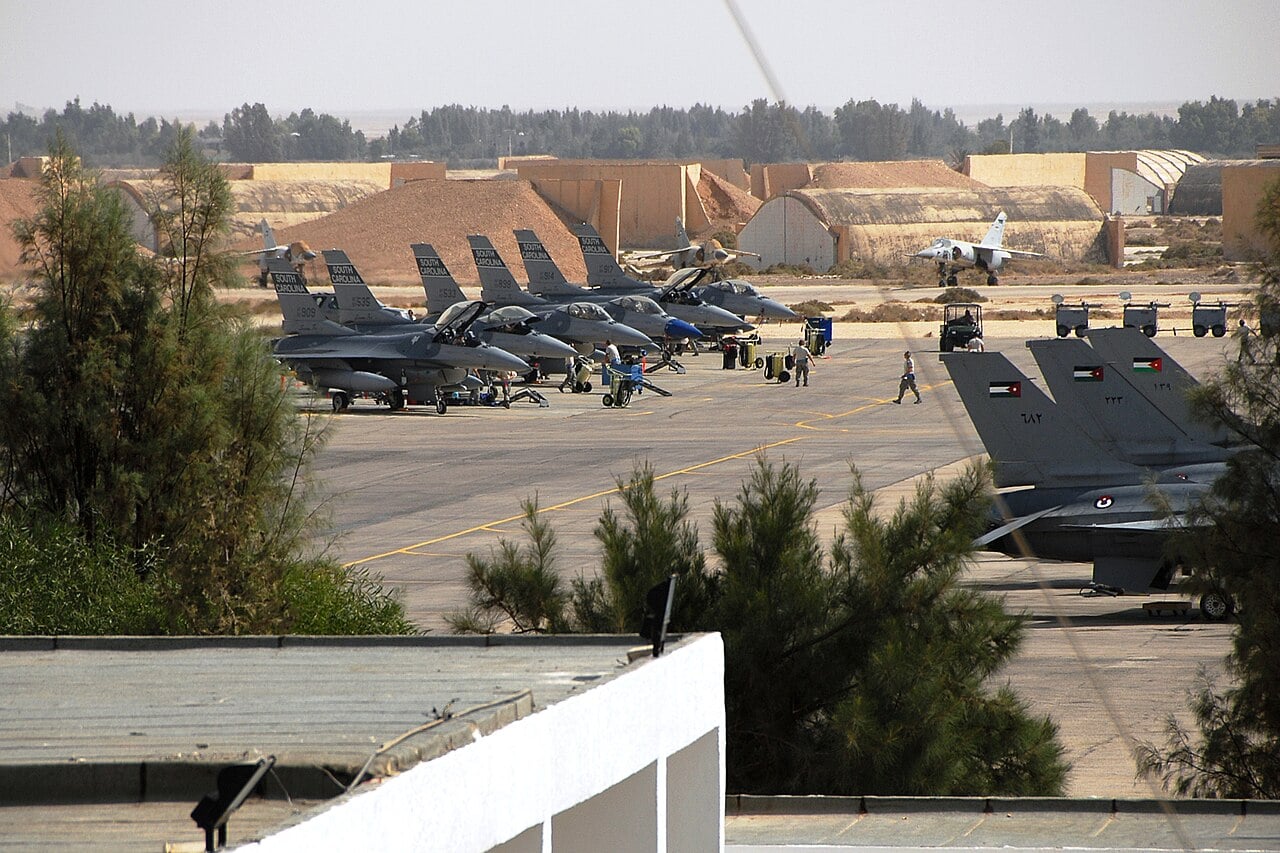
The controversy stems from a Wall Street Journal report, citing unnamed U.S. officials, which said Iran obtained high-resolution satellite images of Muwaffaq Salti Air Base in Jordan from Chinese entities. According to the officials, Iran received the imagery both before and after the July 17 attack on the base.
The strike hit a residential compound housing American troops and killed three soldiers — identified as Army 1st Lt. Tyler James Feehan, Pvt. Isabella Gonzales and Sgt. Angel S. Rampersad — while wounding four others. It marked the first U.S. combat deaths in the Iran conflict since an April ceasefire had briefly calmed hostilities.
Officials told the Journal that Iran also targeted manned and unmanned aircraft stationed at the base. They stopped short, however, of accusing the Chinese government itself of directly ordering or authorizing the transfer, and declined to name the specific companies involved.
.
Washington's Broader Concerns
U.S. officials described the imagery findings as the clearest evidence to date that Chinese commercial support for Tehran has had lethal consequences for American forces. Washington had already sanctioned three Chinese firms — MizarVision, Earth Eye and Chang Guang — back in May for allegedly supplying imagery Iran could use to target U.S. troops.
Analysts cited in the report cautioned that Chinese-sourced imagery was likely just one piece of a broader intelligence picture available to Iran, which also draws on its own satellites, human intelligence networks and support from Russia. U.S. officials are separately examining whether Chinese data may be helping Iran track American naval vessels, noting that Iranian missile attempts against U.S. ships — while so far unsuccessful — appear to be improving in accuracy.
When Chinese officials were confronted about the matter, they reportedly asked for proof of the alleged imagery transfer and denied that Chinese companies were involved.
.
Political Context: A Summit Trump Doesn't Want Disrupted
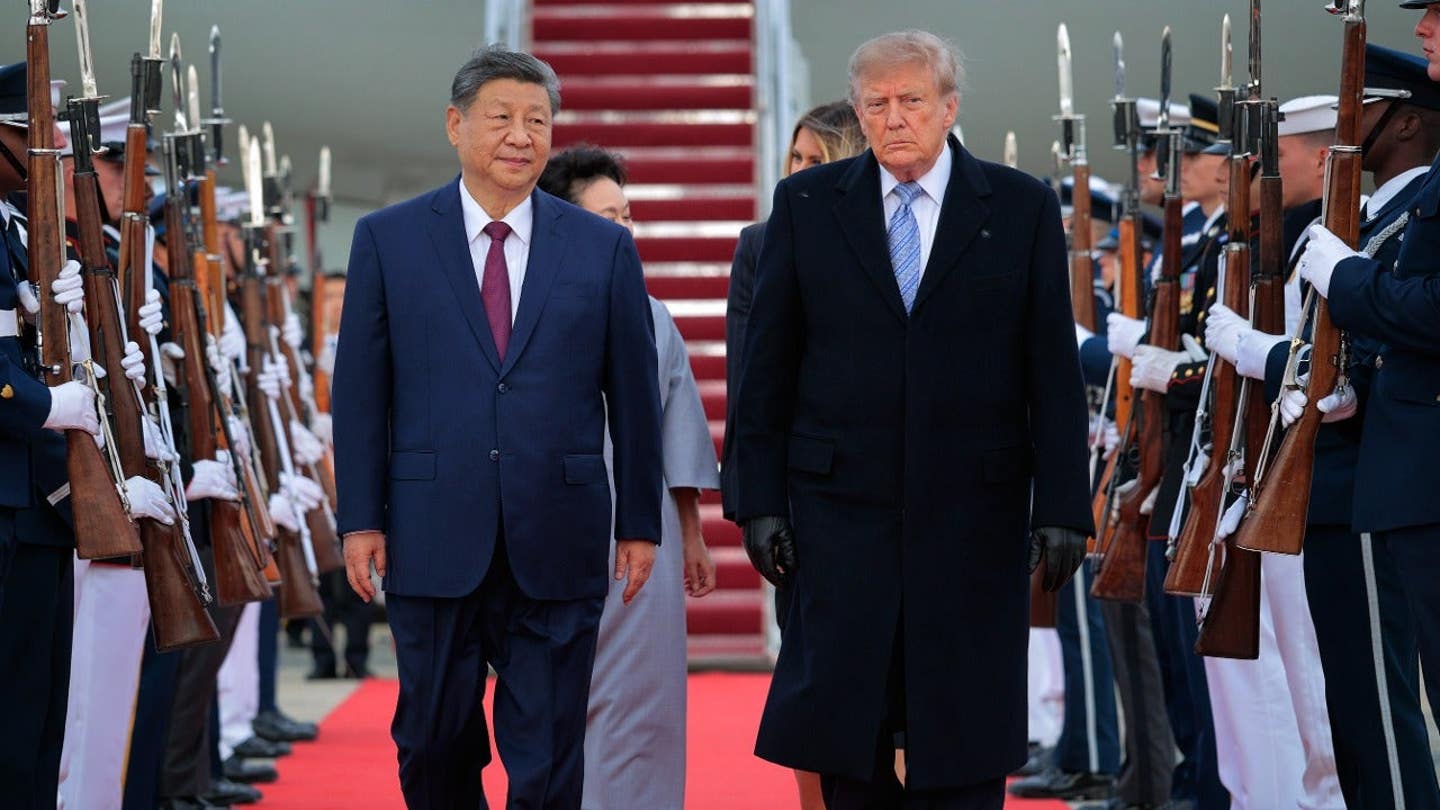
The timing of the disclosure is delicate. Trump and Xi are expected to meet at the White House on September 24, though Beijing has not officially confirmed the date. Trump has made clear to his team that preserving a workable relationship with Xi is a priority, and his administration has generally avoided public confrontations with Beijing that could complicate the summit.
This pattern fits a broader trend of the current White House playing down friction with China even as intelligence agencies raise alarms about Beijing's indirect support for Tehran. Critics of this approach argue that treating Chinese state-linked corporate activity as equivalent to routine espionage risks understating Beijing's role in arming and enabling one of Washington's principal adversaries — a regime that has also been a leading state sponsor of the Chinese Communist Party's persecution playbook exported abroad, including pressure campaigns against dissidents and religious minorities.
Secretary of State Marco Rubio was reportedly asked directly whether China was feeding Iran targeting data; he declined to answer clearly and said Beijing's actions had not altered the course of the conflict.
.
Outlook
Congressional intelligence committees have already been briefed on alleged Russian and Chinese support for Iran, suggesting the issue will not disappear from Washington's radar even if Trump avoids raising it publicly with Xi. Whether the upcoming summit produces any concrete commitments from Beijing on curbing sales of sensitive satellite technology to Tehran remains an open question — one that will test whether Trump's conciliatory public posture yields results behind closed doors.
.
What's Your Reaction?
 Like
0
Like
0
 Dislike
0
Dislike
0
 Love
0
Love
0
 Funny
0
Funny
0
 Wow
0
Wow
0
 Sad
0
Sad
0
 Angry
0
Angry
0










Comments (0)