

China's Military Show: Xiangshan Forum Opens as Beijing Weighs Words Ahead of Trump-Xi Summit
China opens its annual Xiangshan defence forum this week, seeking to portray itself as the guarantor of Asian security. But naval aggression in the South China Sea and a purge-shaken military leadership undercut Beijing's pitch, while an upcoming summit between President Trump and Xi Jinping may keep the sharpest rhetoric in check — for now.

.
A Stage for Beijing's World View
China's Ministry of National Defense opens the 13th Beijing Xiangshan Forum on September 15, running through September 17 at the Beijing International Convention Center. Defence Minister Dong Jun is expected to use his opening remarks to argue for a security order led by Asian nations themselves, rather than one anchored by Washington.
The event, often called Beijing's answer to Singapore's Shangri-La Dialogue, draws officers, diplomats and scholars from dozens of countries. Unlike the freewheeling Singapore gathering, the Xiangshan Forum is a tightly scripted affair, giving China's Communist Party (CCP) leadership full control over the messaging.
This year's theme, "Build Consensus on Stability, Advance Security Governance Together," signals Beijing's ambition to position itself as a stabilizing force. Given the CCP's record of intimidation in the South China Sea and its ongoing suppression of religious and political freedoms at home — including its decades-long persecution of Falun Gong practitioners — that framing deserves scrutiny rather than acceptance at face value.
.
Coded Criticism, Careful Timing
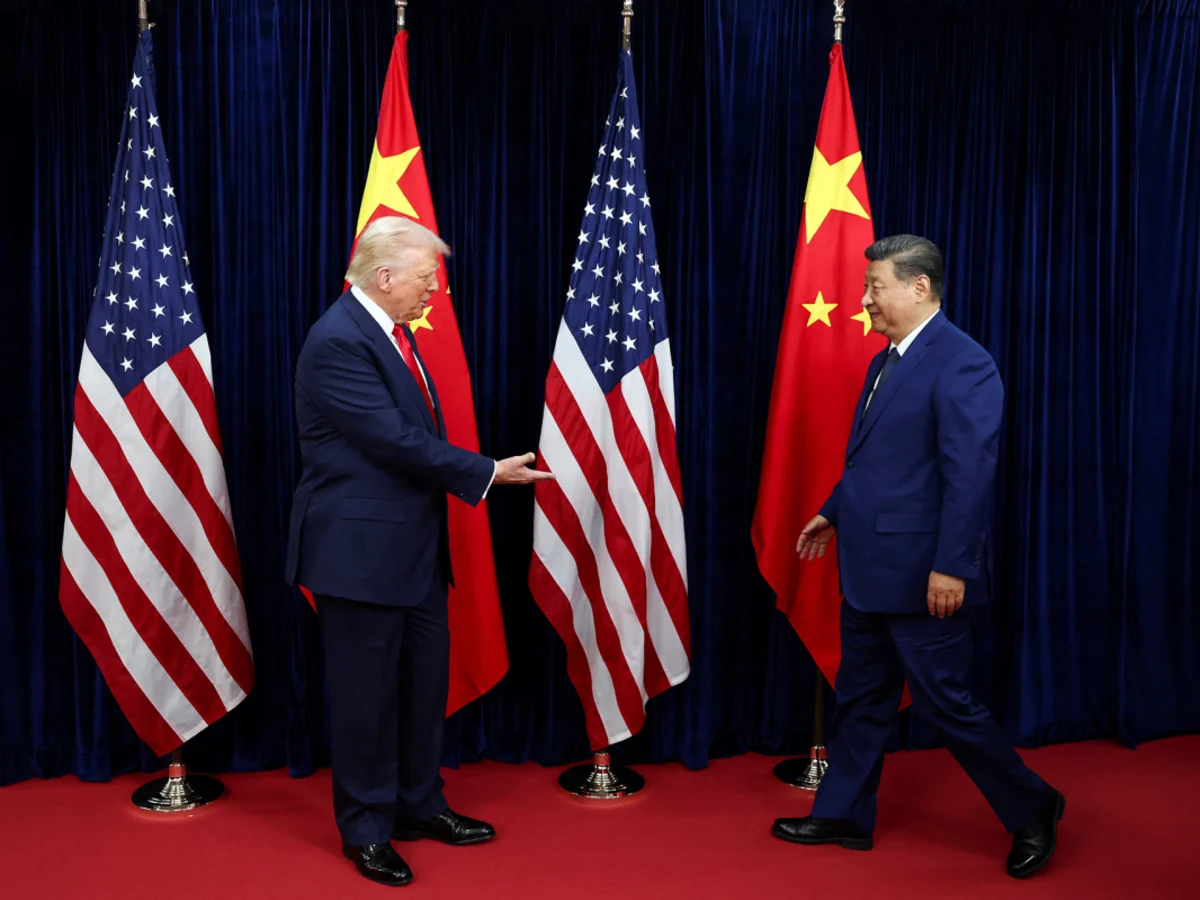
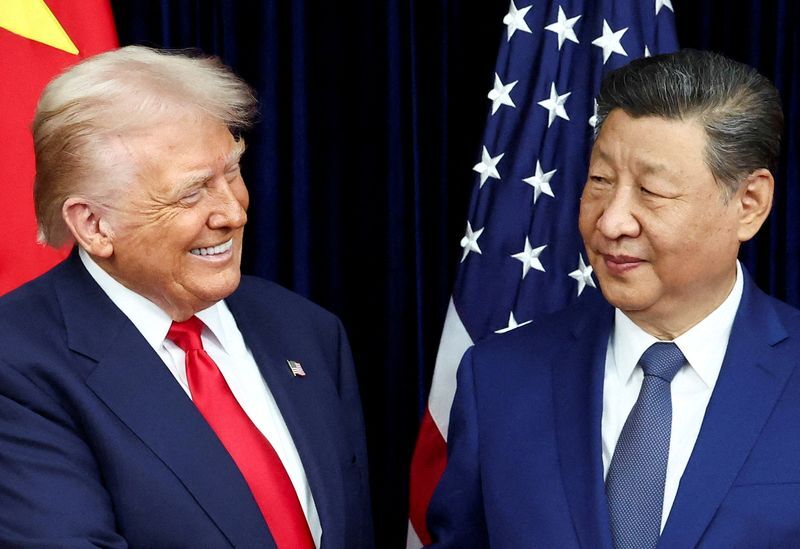
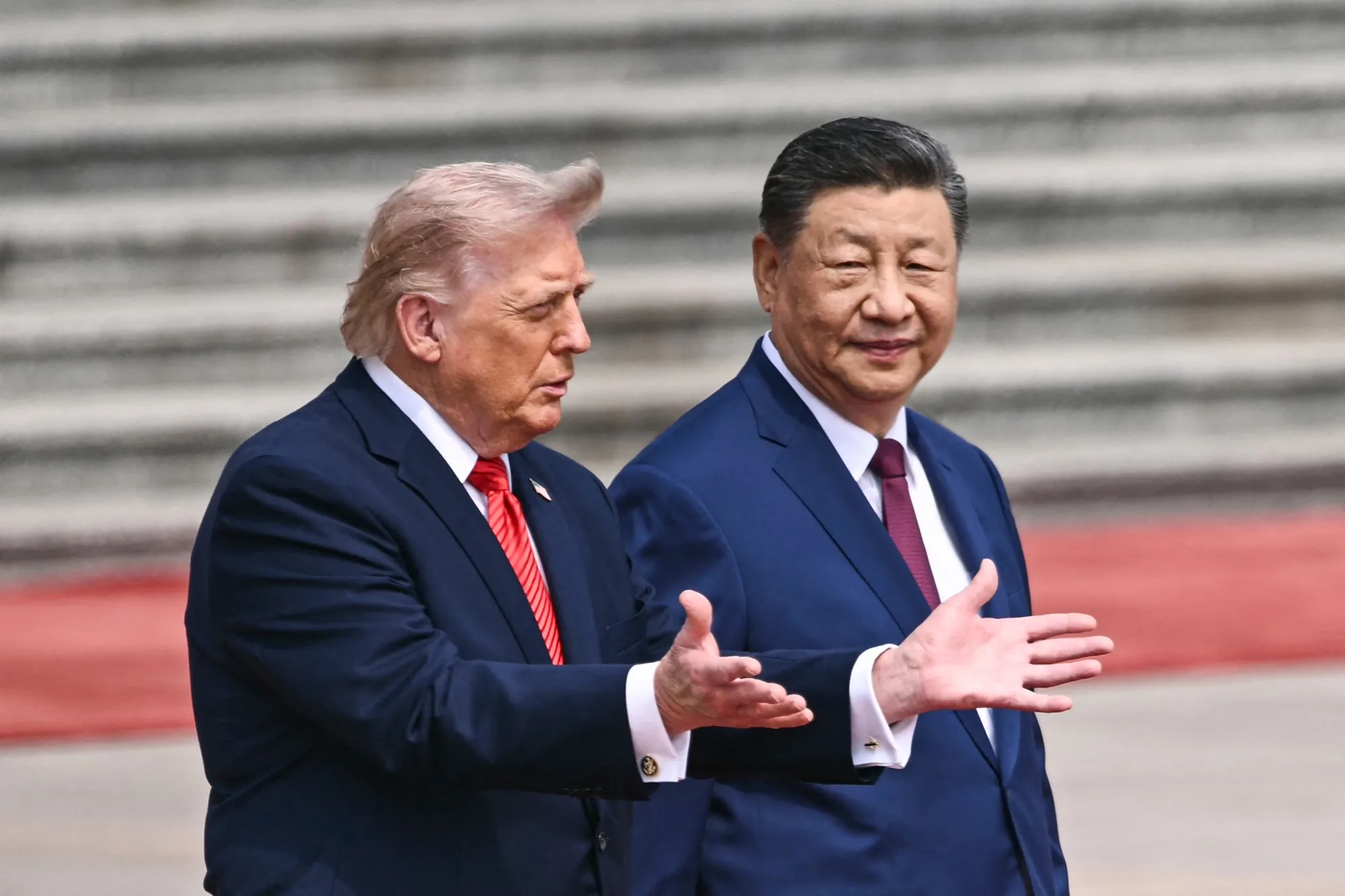
Diplomats and analysts expect Dong to include veiled criticism of the United States and its allies, but in more restrained language than in past years. The reason: President Xi Jinping is due in Washington on September 24 for a state visit and summit with President Donald Trump, their second meeting of 2026 after Trump's trip to Beijing in May.
That summit is expected to touch on trade, technology and the fragile truce reached between the two governments last year. Analysts say Beijing has an incentive to avoid inflammatory rhetoric that could complicate the run-up to the meeting, even as both sides continue trading sanctions over unrelated disputes.
Japan may be an exception. Given renewed friction between Beijing and Tokyo, Singapore-based security scholar James Char expects China's hosts to revisit Japan's wartime history and criticize what Beijing calls Tokyo's "remilitarisation" — a familiar tactic for deflecting attention from its own military buildup.
.
Washington Sends a Heavier Hitter
The U.S. delegation will be led by Cynthia Carras, the Pentagon's principal director for China, Taiwan and Mongolia — a step up from last year, when Washington sent only a defence attaché from its Beijing embassy. Vietnam's Defence Minister Phan Van Giang and Malaysia's Vice Defence Minister Adly Zahari are also attending, reflecting the balancing act many Asian nations perform between Beijing's economic weight and Washington's security guarantees.
Taiwan, which Beijing claims as its own territory despite never having governed it, is not invited and does not attend. The self-ruled island held military and civil-defence drills last month simulating a Chinese invasion — a reminder of how seriously Taipei takes threats from across the strait.
.
A Pitch Undermined by Its Own Record
Washington-based China expert Patricia Kim of the Brookings Institution notes that doubts about long-term U.S. commitment in Asia give Beijing an opening to argue that regional security should be managed by Asian states alone. But she adds that many countries in the region remain wary of China precisely because of its own assertive conduct, particularly in the South China Sea.
That assertiveness is well documented. Beijing's coast guard and navy have repeatedly confronted vessels from the Philippines and other neighbours in disputed waters, and Chinese state media has cast these confrontations as defensive rather than acknowledging Beijing's expansive and internationally rejected territorial claims. It is difficult to reconcile that record with the forum's stated goal of "advancing security governance together."
.
A Military Still Reeling From Purges
The forum also arrives as Xi's multi-year anti-corruption campaign inside the People's Liberation Army (PLA) continues to reshape its top ranks. Since 2023, more than a hundred senior officers have been removed, including two successive defence ministers and, in January, the PLA's top uniformed officer, Zhang Youxia, and its chief of joint operations, Liu Zhenli.
The result: China's Central Military Commission, the body that commands the PLA, currently has just two of its seven seats filled — one of them held by Xi himself in his role as commander-in-chief. Foreign delegates attending this year's forum are expected to use the sidelines to gauge who might fill the empty seats before next year's Communist Party congress, when the new military leadership is set to be formally confirmed.
Analysts who track the purges say the campaign reflects Xi's preference for personal loyalty over battlefield experience — a dynamic that raises real questions about the PLA's operational readiness even as Beijing talks up its military modernization.
.
Outlook
The Xiangshan Forum gives Beijing a controlled platform to promote an Asia-first security narrative just as it prepares for a high-stakes summit with President Trump. But the gap between that narrative and Beijing's own conduct — from South China Sea confrontations to a military leadership hollowed out by purges — will likely remain a talking point for the international delegations gathered in the room, whatever restraint Chinese officials show on stage this week.
.
What's Your Reaction?
 Like
0
Like
0
 Dislike
0
Dislike
0
 Love
0
Love
0
 Funny
0
Funny
0
 Wow
0
Wow
0
 Sad
0
Sad
0
 Angry
0
Angry
0










Comments (0)