

Trump Administration Unleashes 'Economic D-Day' on Iran — But Holds Fire on Naming Names
The Trump administration announced a sweeping expansion of sanctions targeting any country or company doing business with Iran, calling it an "economic D-Day." Treasury Secretary Scott Bessent stopped short of naming specific targets, giving nations a brief grace period to cut ties with Tehran before penalties hit. The move comes as the US-Iran war approaches its sixth month with no end in sight.


.
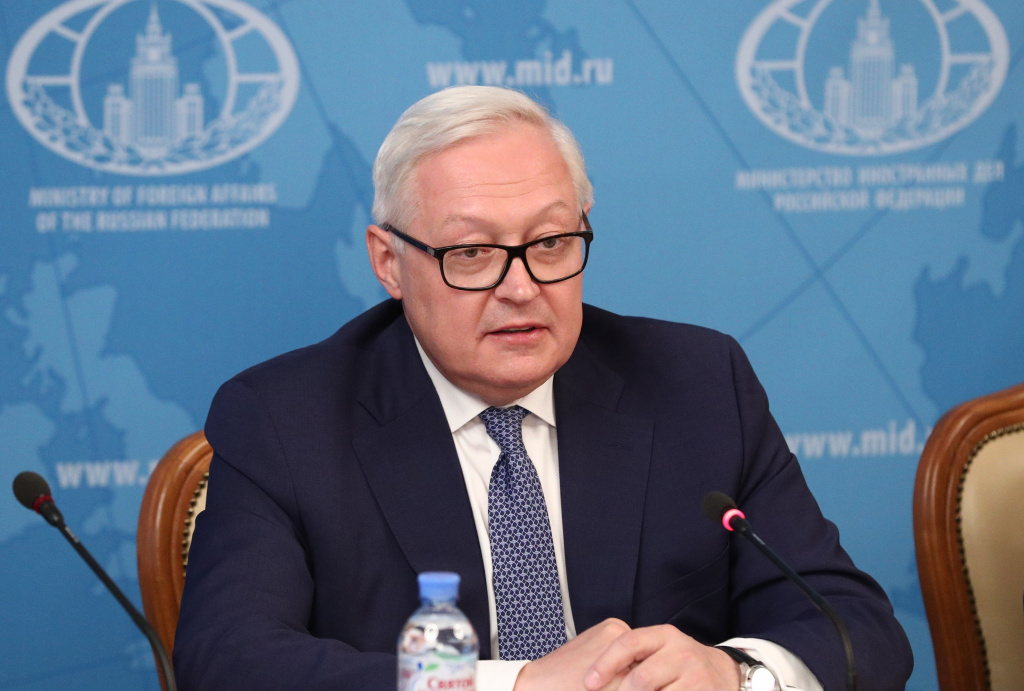
Treasury Secretary Scott Bessent stood before reporters in Washington on Monday and delivered a blunt ultimatum to the world: stop doing business with Iran, or risk being cut off from the American financial system entirely.
He called it an "economic D-Day" — but notably, he declined to name a single country that would face the promised penalties.
"Why would I want to blow up the global financial system?" Bessent said, explaining the administration's decision to offer nations a brief compliance window rather than announcing immediate sanctions. He added that Washington would move quickly once that grace period expired, and warned that a "major announcement" targeting a specific financial institution should be expected before the week is out.
.
A Six-Month War With No Exit
The announcement lands as President Trump's confrontation with Iran nears its sixth month. Heavy fighting has eased in recent weeks, but diplomatic efforts to reach a lasting settlement have stalled completely. The Strait of Hormuz — one of the world's most important routes for oil and other raw materials — remains effectively blocked, keeping energy prices elevated for consumers worldwide.
Bessent framed the new campaign as a way to avoid returning to military action. According to Axios, U.S. officials expect the expanded secondary sanctions to remain the primary tool against Tehran at least until after the midterm elections, when renewed strikes could again become an option.
Fox News reported that Bessent had previewed the campaign days earlier in a Financial Times opinion piece, describing it as "the single greatest financial offensive ever marshaled against an adversary." Iran's own security establishment did not stay quiet: a senior security official warned that any nation joining the American pressure campaign would be treated as having committed "an act of war," and threatened to halt oil shipments through Hormuz entirely if the squeeze continues.
.
Five Sectors in the Crosshairs
Bessent detailed that the new push targets five specific pillars of Iran's economy: digital assets, gold, technology, aviation, and shipping. Alongside the broader threat of secondary sanctions, the Treasury also designated close to 60 entities, individuals, and vessels on Monday.
According to Al Jazeera, Bessent was unambiguous about the campaign's global reach: "Around the globe, our objective is to sever every economic lifeline that sustains this tyrannical regime until Tehran stands alone." He added that no actor — anywhere — should consider itself beyond the reach of American sanctions.
.
The China Question
For years, China has remained the single largest buyer of Iranian oil, and Washington has steadily ramped up pressure on Chinese purchasers. So far, however, the U.S. has avoided sanctioning China's larger financial institutions directly — a restraint that carries real diplomatic weight.
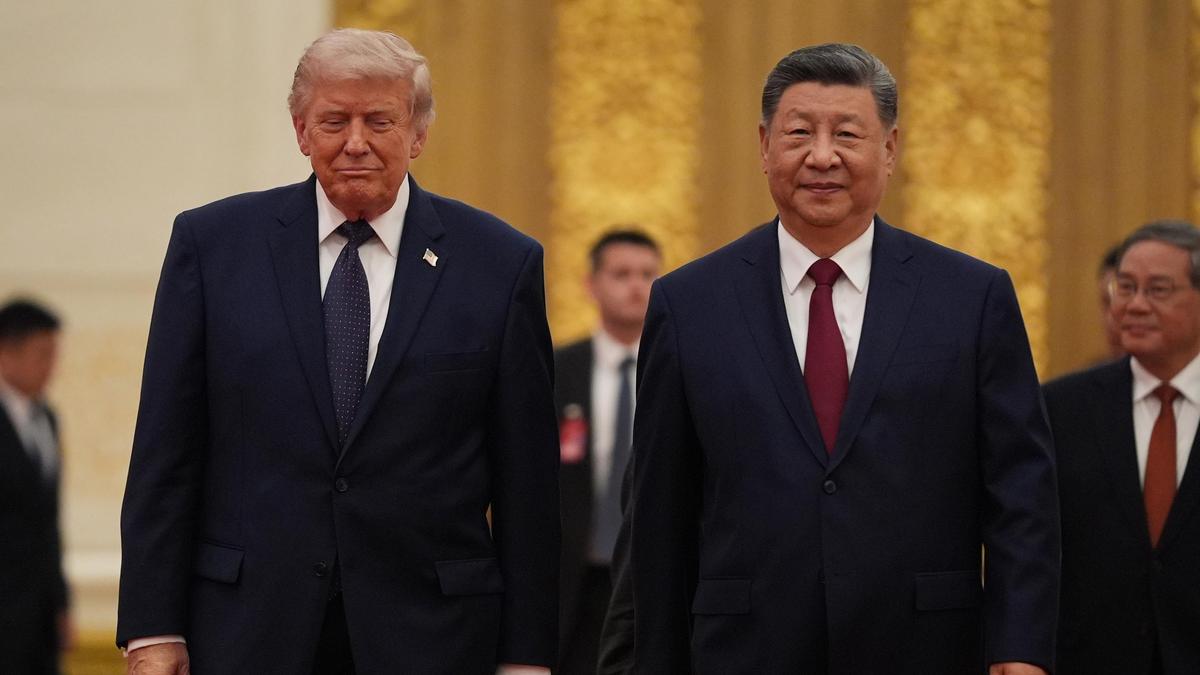
President Trump is scheduled to meet Chinese President Xi Jinping in Washington in late September. Any move to sanction major Chinese banks now risks derailing a fragile arrangement reached last November, under which Beijing agreed to keep exporting rare earth minerals in exchange for capped U.S. tariffs. Reuters has separately reported that the existing U.S. blockade of Iranian ports has already curbed Chinese interest in buying Iranian crude — potentially softening the blow of any future secondary sanctions before they're even announced.
.
Political Headwinds at Home
The sanctions push comes as Trump's domestic approval ratings sit at their lowest point of his second term, with just 33% of Americans approving of his performance in the latest Reuters/Ipsos poll. The president has defended the economic toll of the standoff as a necessary cost of preventing Iran from acquiring a nuclear weapon.
.
Decades of Pressure, Limited Results
Washington's sanctions regime against Tehran stretches back to the late 1970s, originally built around Iran's nuclear ambitions, human rights record, and support for militant groups. Since Trump began his second term in 2025, Treasury records show the U.S. has sanctioned more than 1,000 individuals, vessels, and aircraft connected to Iran.
Yet Iran has repeatedly proven adept at circumventing these measures — standing up new front companies, re-flagging vessels, and finding fresh routes to move money and oil despite being locked out of the dollar system. Recent U.S. actions have already frozen an estimated $500 billion in Iran-linked cryptocurrency and targeted the so-called "shadow fleet" of tankers used to move sanctioned oil.
.
What Comes Next
For now, the world is left waiting. Bessent has promised swift action once the compliance window closes, along with a specific announcement targeting a financial institution before the week ends. Whether "economic D-Day" proves to be a genuine turning point — or another chapter in a decades-long cat-and-mouse game between Washington and Tehran — will likely become clearer within days.
.
Sources:
- https://www.foxnews.com/live-news/iran-trump-war-sanctions-hormuz-israel-august-24
- https://www.aljazeera.com/news/2026/8/24/trump-administration-announces-global-economic-war-on-iran
- https://www.axios.com/2026/08/24/bessent-dday-iran-secondary-sanctions
.
What's Your Reaction?
 Like
0
Like
0
 Dislike
0
Dislike
0
 Love
0
Love
0
 Funny
0
Funny
0
 Wow
0
Wow
0
 Sad
0
Sad
0
 Angry
0
Angry
0










Comments (0)