

Saffron: A Promising Natural Alternative for Anxiety and Depression

.
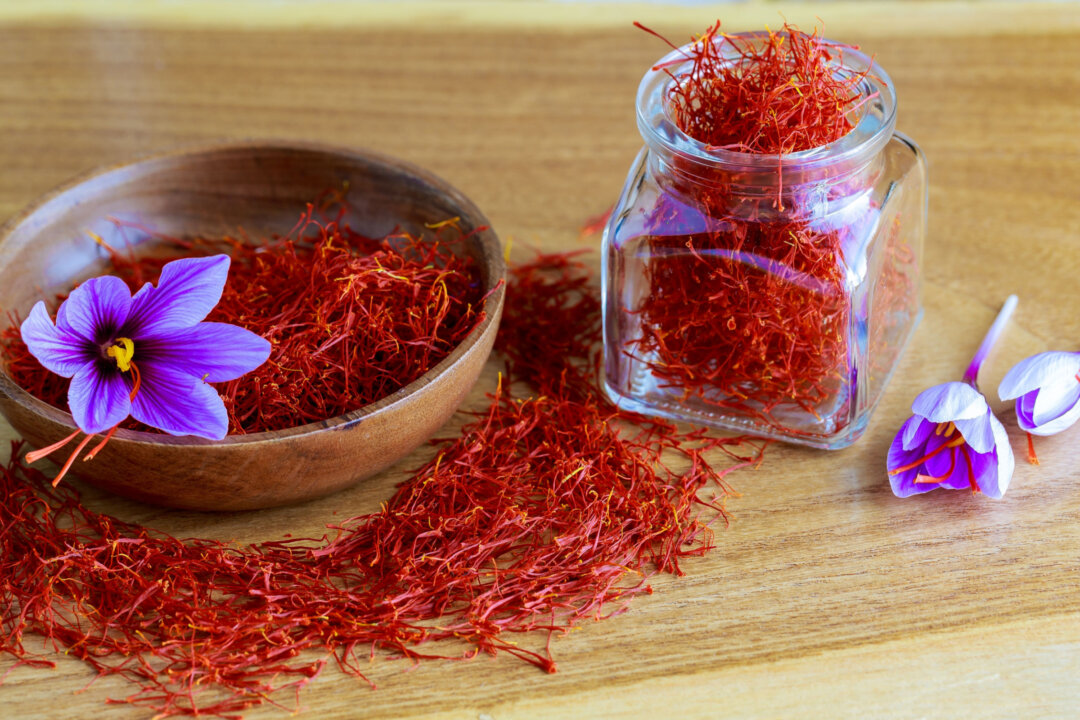
Considered incredibly valuable, saffron has been used for millennia, from the Ancient Egyptians to Alexander the Great.
Saffron is the world’s most precious spice, and by weight, it’s also the most expensive—with a price tag of a whopping $5,000 a pound.
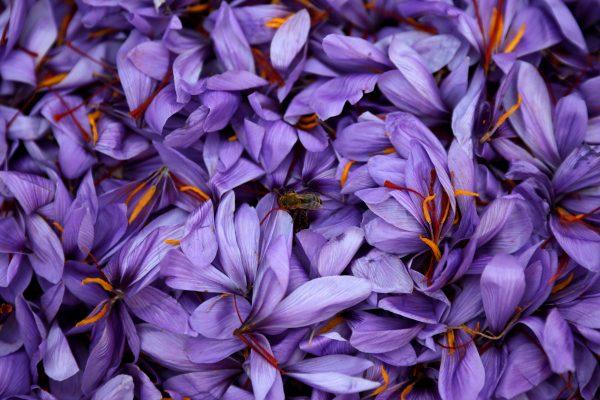
Although saffron is not common in the average American diet, it is a staple in Iranian (Persian) cuisine and has a long history in cooking and medicine. Saffron is also widely used as a dye for its resulting brilliant golden color.
.
“Saffron seems to increase dopamine, so you have more energy and you’re happier. It increases serotonin, so your mood is better. And it increases norepinephrine, so you have better energy,” Dr. Amen noted.
Medications for Anxiety and Depression
Selective serotonin reuptake inhibitors, or SSRIs, are a class of drugs most commonly used to treat depression and anxiety. Some examples of SSRIs are:- Celexa (Citalopram)
- Lexapro (Escitalopram)
- Prozac (Fluoxetine)
- Zoloft (Sertraline)
- Paxil, Pexeva (Paroxetine)
Interestingly, only about 10 percent of serotonin is produced in the brain, and the other 90 percent is found in cells lining the GI tract, where it is released into the bloodstream and absorbed.
Although low serotonin levels in the brain are thought to be the cause of depression, increasing evidence suggests that this is a flawed hypothesis and that other factors are involved, ranging from the influence of genetics to the microbiome.
.
Saffron Studies
An increasing number of studies support the use of saffron as a natural way to treat depression and anxiety without side effects.The saffron group also showed increased heart rate variability (HRV) when presented with a psychosocial stressor (which naturally decreases HRV)—which this study showed for the first time. This increase in heart rate variability is thought to increase resilience “against the development of stress-related psychiatric disorders.”
- “Saffron stigma was significantly more effective than a placebo and equally effective as fluoxetine and imipramine.”
- “Saffron petal was significantly more effective than placebo and equally effective compared to fluoxetine and saffron stigma.”
Saffron Beyond Anxiety and Depression
Saffron’s benefits to our health and well-being extend beyond treating depression and anxiety. Saffron has been used traditionally throughout Asia and the Middle East for centuries to strengthen digestion and treat menstrual disorders, skin conditions, inflammation, and symptoms of depression.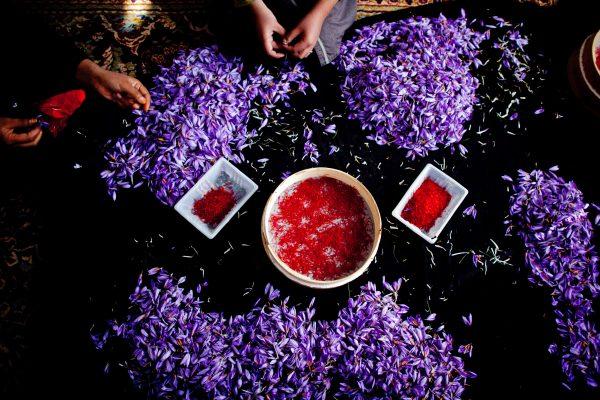
.
A Bit of Saffron History
Saffron has been used for thousands of years and many ancient civilizations prized saffron for its flavor, aroma, and medicinal properties. Because of its rarity, it was a highly prized commodity and was a symbol of wealth and refinement. As a result, it was used mainly by nobility.Alexander the Great was said to have discovered saffron on his campaigns through Persia, now Iran—and where saffron likely originated—and used it to heal wounds acquired in battle.
The ancient Egyptians used saffron for its flavor and aroma, in medicine and cosmetics, and as an aphrodisiac—Cleopatra is known to have added it to her baths to enhance lovemaking.
Saffron has been found “woven into ancient royal Persian carpets and shrouds” dating back to the tenth century BC.
Saffron was introduced into India in around 500 B.C.—around the time of the Buddha’s death. According to one source, it was around this time that the robes worn by “the title class of Buddhist priests” started being dyed with saffron—making them a beautiful golden hue.
.
Final Thoughts
Thankfully, we now live in a time where we don’t have to be part of the royal class to enjoy the delights of saffron! Although many of us may not have tried saffron, it is worth exploring for its wonderfully unique aroma and flavor, as well as the health benefits it has to offer—especially for those who may be struggling with anxiety and depression.What's Your Reaction?
 Like
0
Like
0
 Dislike
0
Dislike
0
 Love
0
Love
0
 Funny
0
Funny
0
 Wow
0
Wow
0
 Sad
0
Sad
0
 Angry
0
Angry
0










Comments (0)