

After an All-Nighter, a Short Workout or a Nap May Shield Your Memory, Study Finds
A new study led by McGill University in Canada suggests that two simple habits can soften one effect of sleep loss. After 30 hours without sleep, people who took a 90-minute nap or did 20 minutes of exercise remembered about 22 percent more than people who only rested. Neither habit replaces real sleep, and the researchers stress that.
.
A Problem Millions Know
Night shifts, long trips, newborns, looming deadlines: many people sometimes have to get through the day without a proper night's sleep. One of the first things to suffer is memory. The brain finds it harder to take in and store new experiences.
Researchers at McGill University in Montreal wanted to know whether quick, practical countermeasures could help. Their findings appeared in the journal Proceedings of the National Academy of Sciences (PNAS), a leading peer-reviewed US science journal.
.
What the Researchers Did
The team worked with 54 healthy young adults. All of them stayed awake for 30 hours in a supervised laboratory.
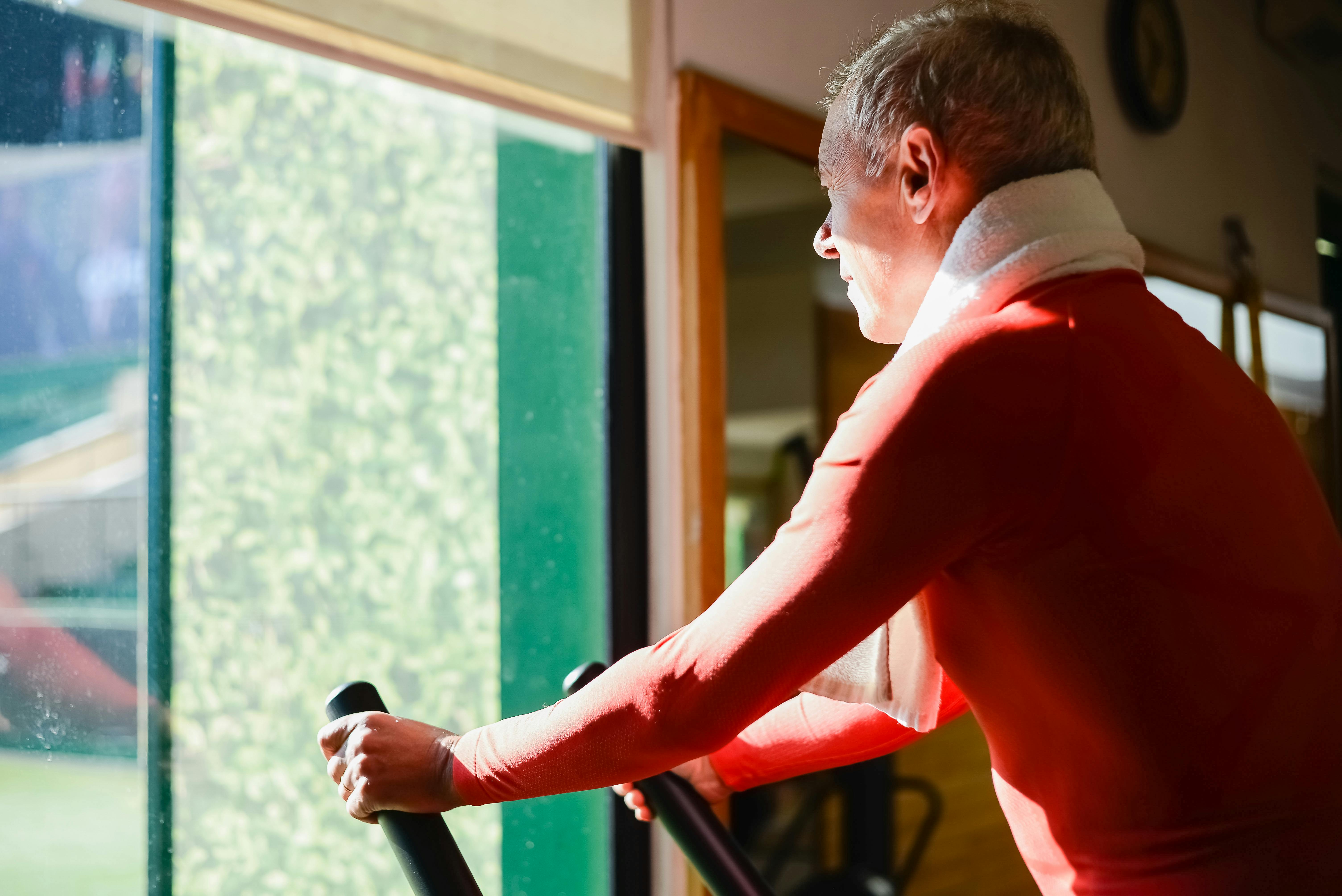
Afterwards, the volunteers were split into three groups. One group took a 90-minute nap. Another did 20 minutes of moderate-to-vigorous exercise; according to Korean outlet Herald Business, this was cycling. The third group did nothing special.
Brain activity was recorded while participants took in new material. Three days later, after they had caught up on sleep, their memory was tested again.
.
The Result: About 22 Percent Better
Both the nappers and the exercisers scored roughly 22 percent better than the group that did neither, according to McGill's summary of the study.
The benefit was nearly identical for both methods. Exercise also did not make the participants feel more tired than the sleepless night already had, as reported by Herald Business.
Lead author Madhura Lotlikar pointed to a practical advantage of exercise. A nap is not always possible in the middle of a shift, while exercise is cheap and easy to do.
.
Two Paths to the Same Goal
The brain recordings revealed something interesting. The two methods seem to work in different ways.
According to senior author Marc Roig, speaking to Newsweek, napping appeared to put the brain back into a state that is better suited to learning. It lowered signs of sleep pressure (the body's growing urge to sleep) and of tired nerve cells.
Exercise worked differently. It seemed to help the brain use its remaining memory resources more efficiently, even though the person was still sleep-deprived.
Because the mechanisms differ, the effects might add up if both are used. Roig noted, however, that this was not tested in the study.
.
Important Limits
The researchers are clear that this is no free pass to skip sleep. Exercise cannot replace sleep. At best, it may help people function a little better when rest is not possible.
There are also caveats about the study itself:
The volunteers were healthy young adults. Roig told Newsweek the results should not automatically be applied to older people or to those who are chronically short on sleep, such as long-term shift workers.
The comparison was not perfectly balanced either. The nap lasted 90 minutes and the workout only 20. The team explained that a 20-minute nap would not reach deep sleep, while 90 minutes of exercise would be too exhausting, according to Herald Business.
The study also measured memory for new information, not every kind of mental performance. Reaction time, judgment and safety were outside its scope.
.
What This Means for Everyday Life
If an all-nighter is unavoidable, the study points to two realistic options. A 90-minute nap is ideal if your schedule allows it. If not, 20 minutes of brisk exercise may help.
Common sense still applies. An exhausted person should pick a safe activity, such as an indoor bike, rather than anything that demands sharp reactions.
Above all, the findings do not change the basic rule. Roig described exercise and napping as promising countermeasures, not replacements for adequate sleep. The best protection for memory remains a good night's rest.
.
Outlook
The researchers say their work could inform fatigue-management plans for people who work long hours. Larger studies with older adults and with people who are chronically sleep-deprived would show how far the results carry. Whether combining nap and exercise brings an extra benefit is still an open question.
.
Sources
- Lotlikar, M., Roig, M. et al.: "Protecting episodic memory after sleep loss: Similar benefits of exercise and naps via distinct neural contributions." PNAS, 2026. https://www.pnas.org/doi/10.1073/pnas.2528246123
- McGill University: "Workout or nap? Either can help your sleepless brain, study finds." https://www.mcgill.ca/newsroom/channels/news/workout-or-nap-either-can-help-your-sleepless-brain-study-finds-373881
- Newsweek: "Can't sleep? Study finds one short activity may help save your memory." https://www.newsweek.com/cant-sleep-study-finds-one-short-activity-may-help-save-your-memory-12364182
- Herald Business: "20 minutes of cycling after an all-nighter matches a 90-minute nap for memory, study finds." https://biz.heraldcorp.com/article/10841907
- News-Medical: "Short workouts or naps protect memory after sleep deprivation." https://www.news-medical.net/news/20260824/Short-workouts-or-naps-protect-memory-after-sleep-deprivation.aspx
.
What's Your Reaction?
 Like
0
 Dislike
0
 Love
0
 Funny
0
 Wow
0
 Sad
0
 Angry
0

















Comments (0)